SUMMARY: According to the American Cancer Society, tobacco use is responsible for nearly 1 in 5 deaths in the United States and accounts for at least 30% of all cancer deaths. Smokeless tobacco products are a major source of cancer causing nitrosamines and increase the risk of developing cancer of the oropharynx, esophagus, and pancreas. Cigarette smoke contains more than 7,000 chemicals, many of which are toxic and some linked to cancer. E-cigarettes or Electronic Nicotine Delivery Systems (ENDS) were first developed in China and introduced to the U.S. market in 2007. 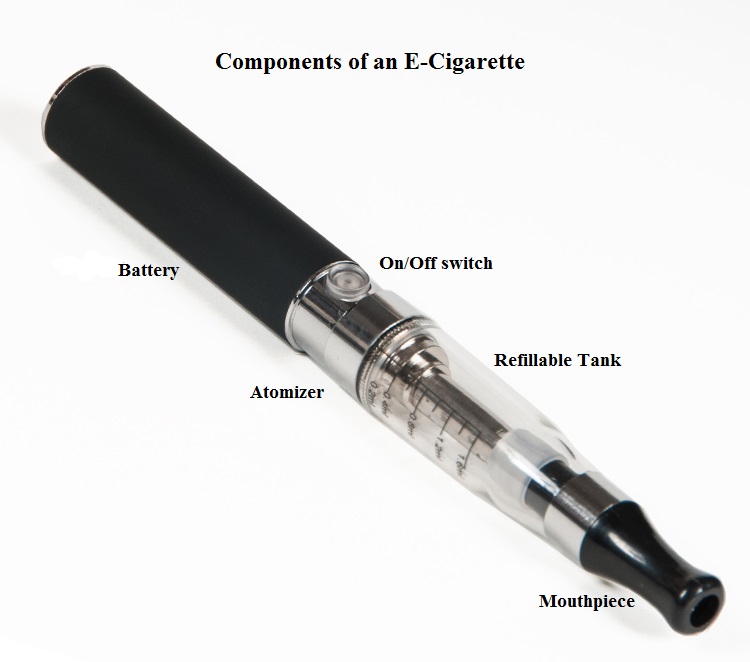 When a smoker inhales through the mouth piece of an E-cigarette, the air flow triggers a sensor that switches on a small lithium battery powered heater, which in turn vaporizes liquid nicotine along with PolyEthylene Glycol (PEG) present in a small cartridge. The PEG vapor looks like smoke. The potent liquid form of nicotine extracted from tobacco is tinctured with fragrant flavors such as chocolate, cherry and bubble gum, coloring substances, as well other chemicals and these e-liquids are powerful neurotoxins. With the rapid growth of the E-cigarette industry and the evidence of potential dangers and risk to public health, particularly children, experts from the world's leading lung organizations were compelled to release a position statement on electronic cigarettes, specifically focusing on their potential adverse effects on human health and calling on government organizations to ban or restrict the use of E-cigarettes, until their impact on health is better understood. According to the National Youth Tobacco Survey, the use of e-cigarettes has tripled from 2013 to 2014 among middle school and high school students. Epidemiological data have shown that nicotine use is a gateway to the use of cocaine and marijuana and subsequent lifelong addiction. E-cigarettes and other Electronic Nicotine Delivery Systems (ENDS), unlike combustible cigarettes and many other tobacco products are not currently regulated by the U.S. Food and Drug Administration.
The American Association for Cancer Research (AACR) and American Society of Clinical Oncology (ASCO) have therefore made the following recommendations in a joint statement to guide policymakers and have encouraged oncology health care providers, to recommend FDA-approved cessation medications instead of e-cigarettes, to individuals who are interested or trying to quit smoking combustible cigarettes.
1) The FDA Center for Tobacco Products should regulate all ENDS as well as e-liquids containing tobacco-derived nicotine whether they are sold together or separately. ENDS products such as synthetic nicotine that do not meet the statutory definition of tobacco products, should then be regulated by the FDA through other appropriate authorities.
2) Manufacturers of ENDS should be required to register with the FDA and report nicotine concentration and all product and ingredient listings.
3) In the interest of public health, the FDA should exercise its regulatory authority to require safety labels and health warning regarding nicotine addiction.
4) The FDA should restrict all youth oriented marketing of ENDS, to prevent youth from initiating use of ENDS products.
5) The age and identification of customers should be checked by the Internet and mail-order sales agencies of ENDS, at the point of purchase and delivery.
6) ENDS use should be prohibited in places where combustible tobacco product use is prohibited by federal, state, or local law, until the safety of secondhand aerosol exposure is established.
7) All e-liquid containers should be required to have childproof caps.
8) ENDS and liquids containing candy and other youth friendly flavors should be prohibited, unless there is evidence demonstrating these products do not encourage youth uptake.
9) Funding generated through tobacco product taxes, including any potential taxes levied on ENDS, should be used to help support research on ENDS and other tobacco related products, and should not preclude the allocation of federal funding for this research.
10) All information related to ENDS composition, use, and health effects should be disclosed, to enhance policy decisions for ENDS product regulation.
11) In the absence of federal ENDS regulation, state and local governments should implement related regulations to protect public health, including restricting the sale, distribution, marketing, and advertising of electronic nicotine delivery systems to youth.
Electronic Nicotine Delivery Systems: A Policy Statement from the American Association for Cancer Research and the American Society of Clinical Oncology. Brandon TH, Goniewicz ML, Hanna NH, et al. Clin Cancer Res 2015; 21:1-12
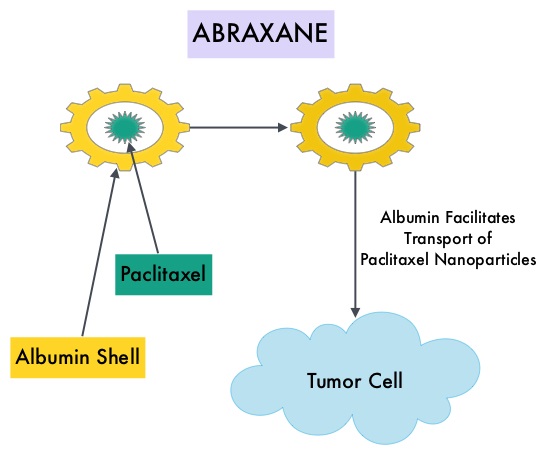 ABRAXANE® (Nab-paclitaxel) is a solvent free, albumin-encapsulated nanoparticle formulation of the taxane, Paclitaxel. By virtue of its formulation, unlike TAXOL®, hypersensitivity reactions are uncommon with ABRAXANE® and can therefore be rapidly infused and premedications are not needed. Further, higher tumor drug concentrations are achieved with ABRAXANE® compared to conventional Paclitaxel (TAXOL®). Previously published studies have shown that ABRAXANE® is superior to TAXOL® in metastatic breast cancer. GeparSepto trial is a randomized phase III study in which weekly ABRAXANE® was compared head to head with weekly TAXOL® in a neoadjuvant setting. This study enrolled 1204 treatment naïve, high risk patients, with clinical T2-T4d invasive breast carcinoma. Eligible patients included those with unilateral, bilateral, operable or inoperable breast cancer. The median age was 49 years, median tumor size was 3 cm, 23% of the patients had triple-negative disease and 33% had HER-2 positive tumors. Patients were randomized 1:1 to receive either ABRAXANE® 125 mg/m2 IV or TAXOL® 80 mg/m2 IV, weekly for 12 weeks followed by 4 cycles of Epirubicin 90 mg/m2 IV and Cyclophosphamide 600 mg/m2 IV. Patients with HER-2 positive tumors also received HERCEPTIN® (Trastuzumab) and PERJETA® (Pertuzumab). The primary endpoint was pathologic Complete Response (pCR), defined as absence of microscopic residual invasive or noninvasive viable tumor cells in all resected specimens of the breast and axilla. This endpoint was chosen because pathologic Complete Response serves as a surrogate marker for long-term efficacy and outcomes. In this trial, the researchers noted a pathologic Complete Response rate of 38% with ABRAXANE® compared to 29% with TAXOL® (P<0.01). On subgroup analysis, this benefit was even more evident in patients with triple negative breast cancer (N=275), with a pCR rate of 48.2% in the ABRAXANE® group compared with 25.7% in the TAXOL® group (P <0.001). The incidence of peripheral neuropathy was higher in the ABRAXANE® group compared to TAXOL® group and this was attributed to higher weekly doses of ABRAXANE® administered. It is felt that a lower dose of weekly ABRAXANE® (100 mg/m2) would result in a decrease in the incidence of peripheral neuropathy, without compromising efficacy. The authors concluded that ABRAXANE® is superior to TAXOL® in early stage, high risk patients with breast cancer and this benefit is even more evident in those patients with triple negative disease, which comprises about 15% of all breast cancers. Untch M, Jackisch C, Schneeweiss A, et al. A randomized phase III trial comparing neoadjuvant chemotherapy with weekly nanoparticle-based paclitaxel with solvent-based paclitaxel followed by anthracyline/cyclophosphamide for patients with early breast cancer (GeparSepto); GBG 69. Paper presented at: 2014 San Antonio Breast Cancer Symposium; December 9-13, 2014; San Antonio, TX. Abstract S2-07.
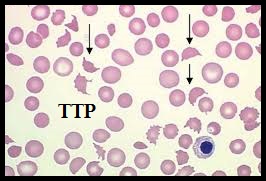 The known risks associated with platelet transfusion include febrile and allergic reactions, Transfusion Related Acute Lung Injury and infections. The authors in this study utilized a Nationwide Inpatient Sample of patients over a 5 year period from 2007-2011and evaluated the risks associated with platelet transfusions.
 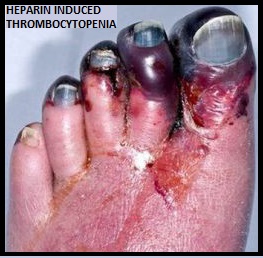 They identified 10,624 hospitalizations with TTP and platelet transfusions were reported in 10.1%, 6,332 hospitalizations with HIT and 7.1% received platelet transfusions and 79,980 admissions with ITP and 25.8% received platelet transfusions. The Odds Ratio (OR) was calculated after adjusting for age, gender, clinical severity and acuity. (An Odds Ratio is a measure of association between an exposure and an outcome. The OR represents the odds that an outcome will occur given a particular exposure, compared to the odds of the outcome occurring in the absence of that exposure). The researchers noted some alarming findings. Platelet transfusions in TTP were associated with higher odds of arterial thrombosis (OR=5.8), Acute Myocardial Infarction (OR=2.0) and mortality (OR=2.0). Platelet transfusions in HIT were associated with higher odds of arterial thrombosis (OR=3.4) and mortality (OR=5.2). Platelet transfusions in TTP or HIT however, was not associated with venous thrombosis. There were no increased risks among patients with ITP, who received platelet transfusions. The authors concluded that until future trials provide additional information, platelet transfusions should be considered a relative contraindication in patients with TTP and HIT and should only be used in situations where severe or potentially life threatening bleeding is refractory to other therapies. Platelet transfusions in platelet consumptive disorders are associated with arterial thrombosis and in-hospital mortality. Goel R, Ness PM, Takemoto CM, et al. Blood. 2015;125:1470-1476.
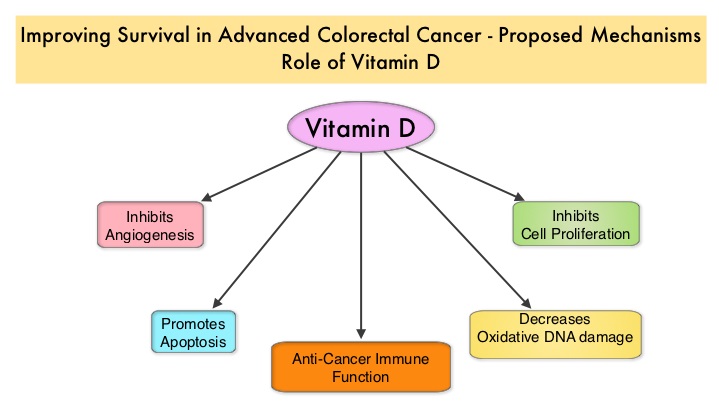 There appears to be a strong association between plasma 25(OH)D level and colorectal cancer (CRC) specific mortality, with better outcomes in patients with Stage I-III CRC, who had higher plasma levels of 25(OH)D (Zgaga L, et al. J Clin Oncol 2014;32:2430-2439). The researchers in this present study conducted a prospective analysis of data from CALGB 80405 trial and evaluated the relationship between plasma 25(OH)D level and patient outcomes, which included Overall Survival and Progression Free Survival (PFS). CALGB 80405 is a phase III trial in which patients with newly diagnosed, advanced colorectal cancer were initially randomized to three groups- 1) Chemotherapy (FOLFIRI or mFOLFOX6) with ERBITUX® (Cetuximab) 2) Chemotherapy with AVASTIN® (Bevacizumab) 3) Chemotherapy with ERBITUX® and AVASTIN®. The protocol was later amended to only include patients with KRAS Wild Type tumors and the chemotherapy with ERBITUX® and AVASTIN® group was deleted. This trial was not designed to compare chemotherapy regimens. The Overall Survival (OS) in both the treatment groups were similar at 29+ months.
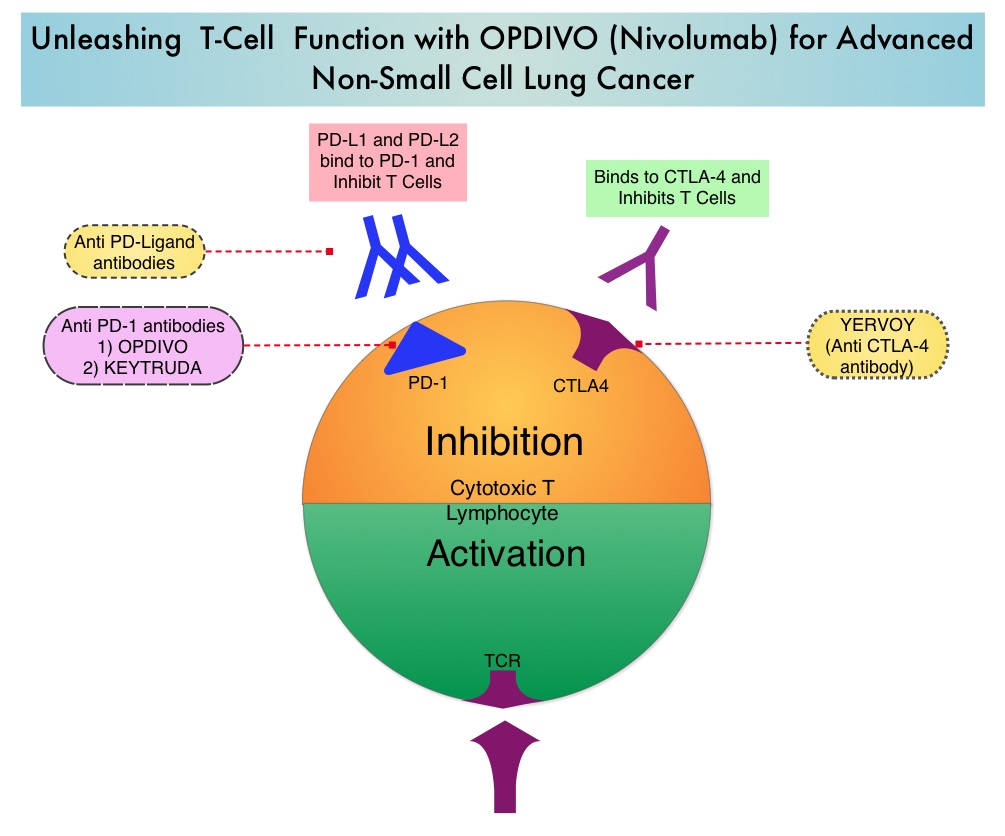
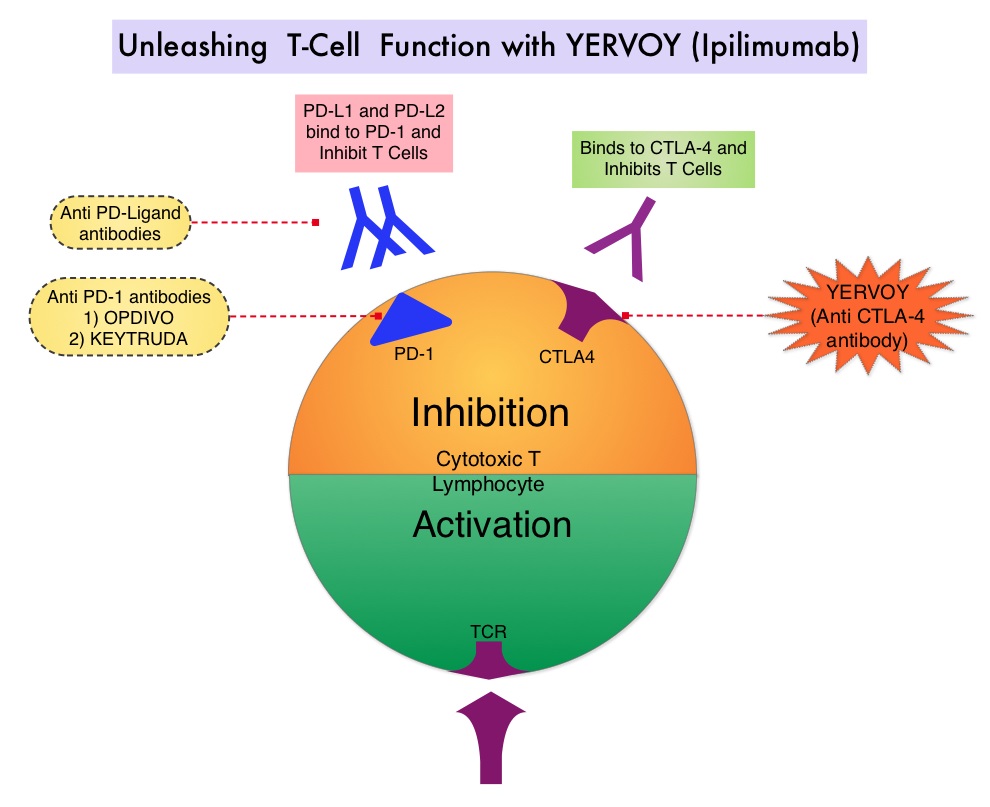 Immune checkpoints are cell surface inhibitory proteins/receptors that are expressed on activated T cells. They harness the immune system and prevent uncontrolled immune reactions. Survival of cancer cells in the human body may be to a significant extent, related to their ability to escape immune surveillance, by inhibiting T lymphocyte activation. The T cells of the immune system therefore play a very important role in modulating the immune system. Under normal circumstances, inhibition of an intense immune response and switching off the T cells of the immune system, is an evolutionary mechanism and is accomplished by Immune checkpoints or gate keepers. With the recognition of Immune checkpoint proteins and their role in suppressing antitumor immunity, antibodies are being developed that target the membrane bound inhibitory Immune checkpoint proteins/receptors such as CTLA-4, also known as CD152, PD-1(Programmed cell Death-1), etc. By doing so, one would expect to unleash the T cells, resulting in T cell proliferation, activation and a therapeutic response. CA184-024 is a phase III trial in which treatment naïve patients with stage IIIc, N3 (unresectable), or stage IV melanoma were randomly assigned to receive YERVOY® 10 mg/kg IV given along with Dacarbazine 850 mg/m2 IV (N=250) or placebo plus Dacarbazine 850 mg/m2 IV (N=252) administered every 3 weeks for 4 doses followed by Dacarbazine given alone every 3 weeks through week 22. Responders and those with stable disease from week 12 through week 24 were then allowed to receive YERVOY® or placebo as maintenance therapy given every 12 weeks beginning at week 24, until disease progression or unacceptable toxicity. Dacarbazine was not given during the maintenance phase. The median Overall Survival was significantly longer in the group treated with YERVOY® plus Dacarbazine than in patients treated with placebo plus Dacarbazine (11.2 vs 9.1 months, HR=0.72; P< 0.001). This Overall Survival benefit was maintained after 3 years of follow up and toxicities were manageable.
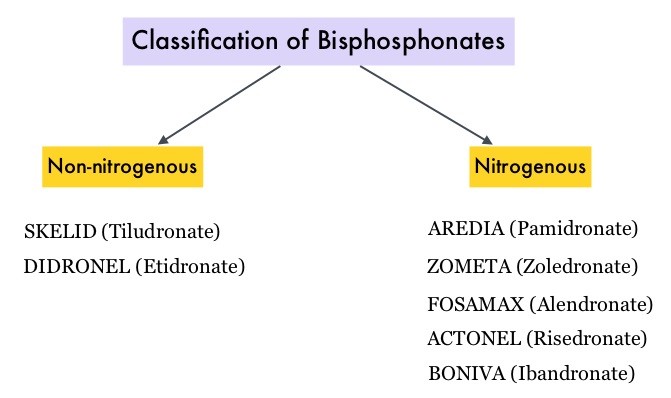 Bisphosphonates such as DIDRONEL® (Etidronate) have been available in the US since the late 1970’s. Bisphosphonates inhibit bone resorption (loss of bone mass) and are indicated for the treatment of osteoporosis and related diseases. The risk of fractures in postmenopausal women with osteoporosis is significantly reduced with the use of bisphosphonates. Several bisphosphonate derivatives have been developed for the treatment of osteoporosis. Aminobisphosphonates such as AREDIA® (Pamidronate) and ZOMETA® (Zoledronic acid) are an integral part of patient management in oncology practice, when bone metastases are initially diagnosed and may have cytostatic, proapoptotic, and antimetastatic properties. An estimated 14.7 million prescriptions for oral bisphosphonates were dispensed in U.S. retail pharmacies in 2012. Previously published studies have shown an inverse relationship between bisphosphonate use and breast cancer risk. Endometrial cancers which are hormone mediated, share risk factors with breast cancer and women with a history of fractures have a lower risk of endometrial cancers.
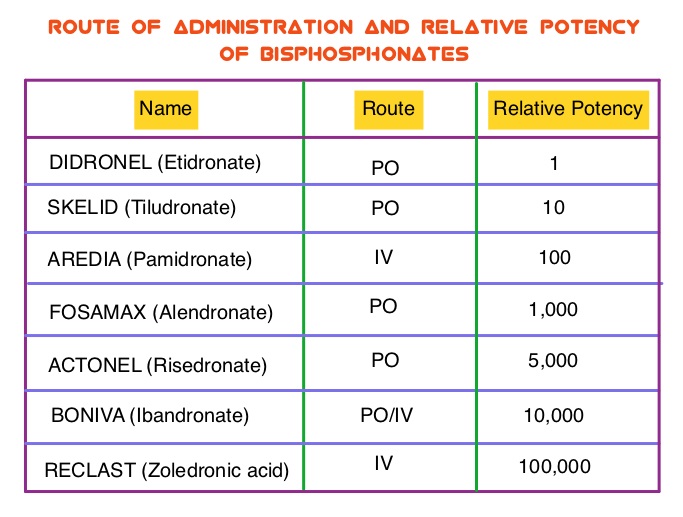 The association between bisphosphonate use and endometrial cancer has remained unclear except for a few, small retrospective studies, which have shown an inverse relationship. To further explore this observation, the authors conducted a large prospective study which included 89,918 postmenopausal women participating in the Women’s Health Initiative (WHI). Following a health information interview conducted at baseline, the use of bisphosphonate was ascertained at baseline and over the follow up period. All women had an intact uterus at the time of enrollment and the most common type of bisphosphonate used was FOSAMAX® (Alendronate). During the study median follow up of 12.5 years, 1,123 women were diagnosed with incident invasive endometrial cancer. Ever use of bisphosphonates was inversely associated with age-adjusted endometrial cancer risk (HR=0.76; P=0.01). There was no evidence of statistically significant interactions with age at baseline, BMI (Body Mass Index), or hip fracture probability score. In this large prospective cohort of postmenopausal women, the authors concluded that bisphosphonate use was associated with a statistically significant reduction in endometrial cancer risk, in postmenopausal women. Oral Bisphosphonate Use and Risk of Postmenopausal Endometrial Cancer. Newcomb PA, Passarelli MN, Phipps AI, et al. J Clin Oncol 2015; 33: 1186-1190
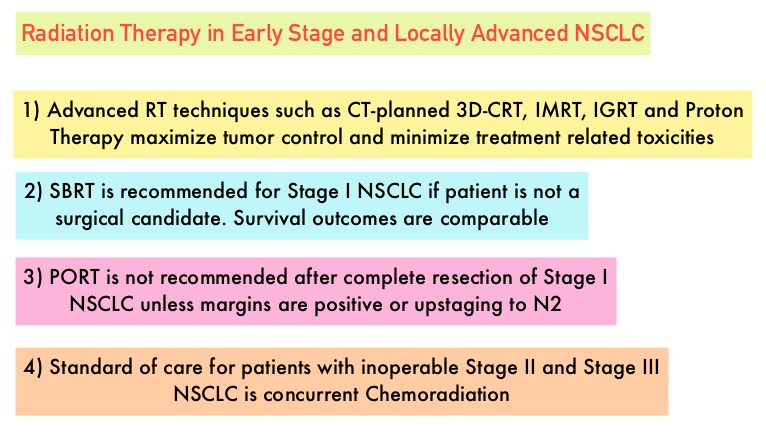 Although there is sufficient evidence for postoperative chemotherapy in patients with stage II or stage IIIA NSCLC, its usefulness in patients with stage IB NSCLC remains unclear. The value of adjuvant Post Operative Radiation Therapy (PORT) has been evaluated and has not been found to improve the outcome of patients with completely resected stage I NSCLC. The risk of locoregional recurrence (LRR) is 20-40% in patients with resected node-positive disease and this in turn may independently contribute to worsened Overall Survival in patients with NSCLC. Nonetheless, a large meta-analysis from trials conducted mainly in the 1960’s and 1970’s showed that adjuvant Post Operative Radiation Therapy (PORT) in stages IIA NSCLC and IIB NSCLC was associated with an 18% relative increase in the risk of death compared with surgery alone. This decrease in Overall Survival has been attributed to outmoded RT techniques and doses resulting in cardiac and pulmonary toxicity. This study was conducted to evaluate the impact of modern (Computed Tomography simulation and at least Linear accelerator- Linac based, three-dimensional, conformal RT) Post Operative Radiation Therapy (PORT) on Overall Survival (OS) in a large population-based registry of patients with completely resected stage IIIA (N2) NSCLC, when compared with adjuvant chemotherapy alone. The authors identified 4,483 patients in the National Cancer Data Base from 2006 to 2010 with pathologic N2, NSCLC, who underwent complete resection and adjuvant chemotherapy. This large patient population was representative of typical patients treated throughout the United States. Of these large cohort of patients, 1,850 had received PORT (45 Gy or more) and 2,633 patients did not. The authors evaluated the impact of patient and treatment variables on OS. The median follow-up time was 22 months. The use of PORT was associated with an increase in median and 5-year OS compared with no PORT (median OS, 45.2 vs 40.7 months, respectively; 5-year OS, 39.3% vs 34.8% respectively; P= 0.014). The improved OS remained, independently predicted by younger age, female sex, urban population, fewer comorbidities, smaller tumor size, multiagent chemotherapy, resection with at least a lobectomy, and PORT. The authors concluded that modern Post Operative Radiotherapy Therapy confers an additional OS advantage beyond that achieved with adjuvant chemotherapy alone, for patients with N2, NSCLC after complete resection and adjuvant chemotherapy. Postoperative Radiotherapy for Pathologic N2 Non–Small-Cell Lung Cancer Treated With Adjuvant Chemotherapy: A Review of the National Cancer Data Base. Robinson CG, Patel AP, Bradley JD, et al. J Clin Oncol. 2015; 33:870-876
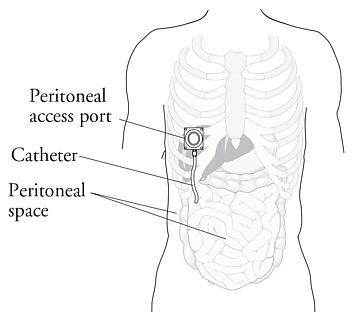 IP chemotherapy for ovarian cancer facilitates the exposure of tumors in the peritoneal cavity to 10-20 fold greater concentration of Cisplatin and Carboplatin and 1000 fold greater concentration of Paclitaxel, compared to IV administration, thus allowing continuous and prolonged exposure of the tumor to high drug concentrations, without systemic toxicities. Even though three Intergroup Phase III trials demonstrated the superiority of IP therapy over IV therapy, it has not been widely accepted in the US and abroad. Barriers to IP therapy have included inconvenience, IP catheter related complications, higher toxicities, lack of knowledge regarding patient selection for IP therapy as well as minimum number of cycles of IP therapy to administer and uncertain long term benefit.