
SUMMARY: Prostate cancer is the most common cancer in American men with the exclusion of skin cancer and 1 in 7 men will be diagnosed with prostate cancer during their lifetime. It is estimated that in the United States, about 220,800 new cases of prostate cancer will be diagnosed in 2015 and over 27,000 men will die of the disease. The development and progression of prostate cancer is driven by androgens. Androgen Deprivation Therapy (ADT) has therefore been the cornerstone of treatment of advanced prostate cancer and is the first treatment intervention for hormone sensitive prostate cancer. Chemotherapy is usually considered for patients who progress on hormone therapy (Castrate Resistant Prostate Cancer-CRPC) and TAXOTERE® (Docetaxel) has been shown to improve Overall Survival (OS) of metastatic prostate cancer patients, who had progressed on Androgen Deprivation Therapy. Tumors in patients with CRPC are not androgen independent and continue to rely on Androgen Receptor signaling and two oral agents are presently available for metastatic CRPC. They include ZYTIGA® (Abiraterone) and XTANDI® (Enzalutamide). ZYTIGA® inhibits CYP 17A1 enzyme thus decreasing androgen biosynthesis and depletes adrenal and intratumoral androgens. XTANDI® competes with Testosterone and Dihydrotestosterone and avidly binds to the Androgen Receptor (AR), thereby inhibiting AR signaling and in addition inhibits translocation of the AR into the nucleus and thus inhibits the transcriptional activities of the AR. There is presently very little guidance with regards to the sequencing of these two oral agents after progression on TAXOTERE®, in patients with metastatic CRPC. ZYTIGA® was approved initially by the FDA in April 2011, for use in combination with prednisone for the treatment of patients with metastatic CRPC, who had received prior chemotherapy containing TAXOTERE®. Treatment with ZYTIGA® resulted in a 35% reduction in the risk of death and a 36% increase in median Overall Survival (OS) compared with placebo. Subsequently, XTANDI® was approved by the FDA on August 31, 2012 for the treatment of patients with metastatic CRPC who had previously received TAXOTERE®. XTANDI® improved median OS and reduced the risk of death by 37% when compared to placebo. Even though these two anti-androgen therapies improved OS in metastatic CRPC patients previously treated with TAXOTERE®, the proper sequence of administration of these two agents after TAXOTERE® failure, has remained unclear. At least 2 published studies have shown that the use of ZYTIGA® as third line therapy after progression on TAXOTERE® and XTANDI® resulted in inferior outcomes.
The purpose of this study was to evaluate the role of XTANDI® as third line therapy, in patients with metastatic CRPC, following progression on TAXOTERE® and ZYTIGA®. The authors searched large, established medical databases and selected 10 publications out of 1264 articles, in which metastatic CRPC patients were treated with XTANDI® as third line therapy, following progression on TAXOTERE® and ZYTIGA®. The study included 536 patients. The primary outcomes were PSA Response Rate of more than 50%, activity of XTANDI® based on previous response to ZYTIGA® and median Progression Free Survival (PFS) or Time To Progression. The secondary outcomes included safety and the median Duration of Response. The pooled Response Rate in this patient population with XTANDI® was 22.9%. However, in patients previously sensitive to ZYTIGA®, the Response Rate with XTANDI® was higher at 35%. The median PFS was 3.1 months and the median OS was 8.3 months. This pooled analysis gives some perspective on the initial choice of anti-androgen therapy in metastatic CRPC patients who progress on TAXOTERE®, with XTANDI® benefitting the most, in patients who respond to second line treatment with ZYTIGA®. It remains to be seen if this sequencing strategy can be confirmed in prospective trials. Enzalutamide After Docetaxel and Abiraterone Acetate Treatment in Prostate Cancer: A Pooled Analysis of 10 Case Series. Petrelli F, Coinu A, Borgonovo K, et al. Clinical Genitourinary Cancer 2015;13:193-198
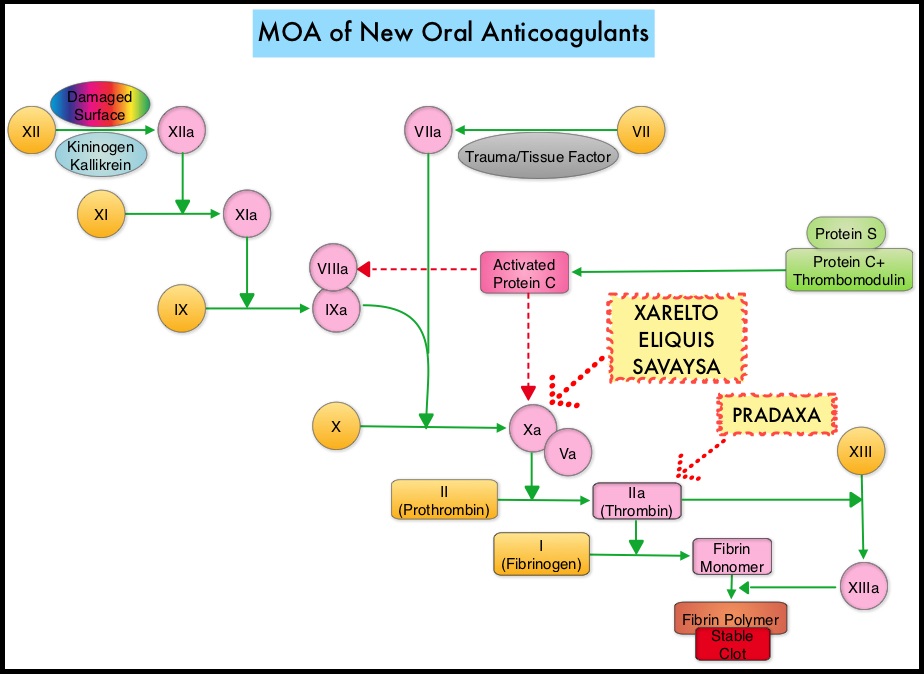 The half life of these agents can however be prolonged in those with renal insufficiency. In several clinical studies, these New Oral Anticoagulants have been shown to reduce the rate of major bleeding by 28% and the rates of intracranial and fatal hemorrhage by 50%, when compared to COUMADIN®. Unlike bleeding caused by COUMADIN®, which can be reversed using Vitamin K or Fresh Frozen Plasma, there are no specific agents presently available, for reversing bleeding caused by the New Oral Anticoagulants or for stopping the anticoagulant effects of these drugs, in patients who need urgent s
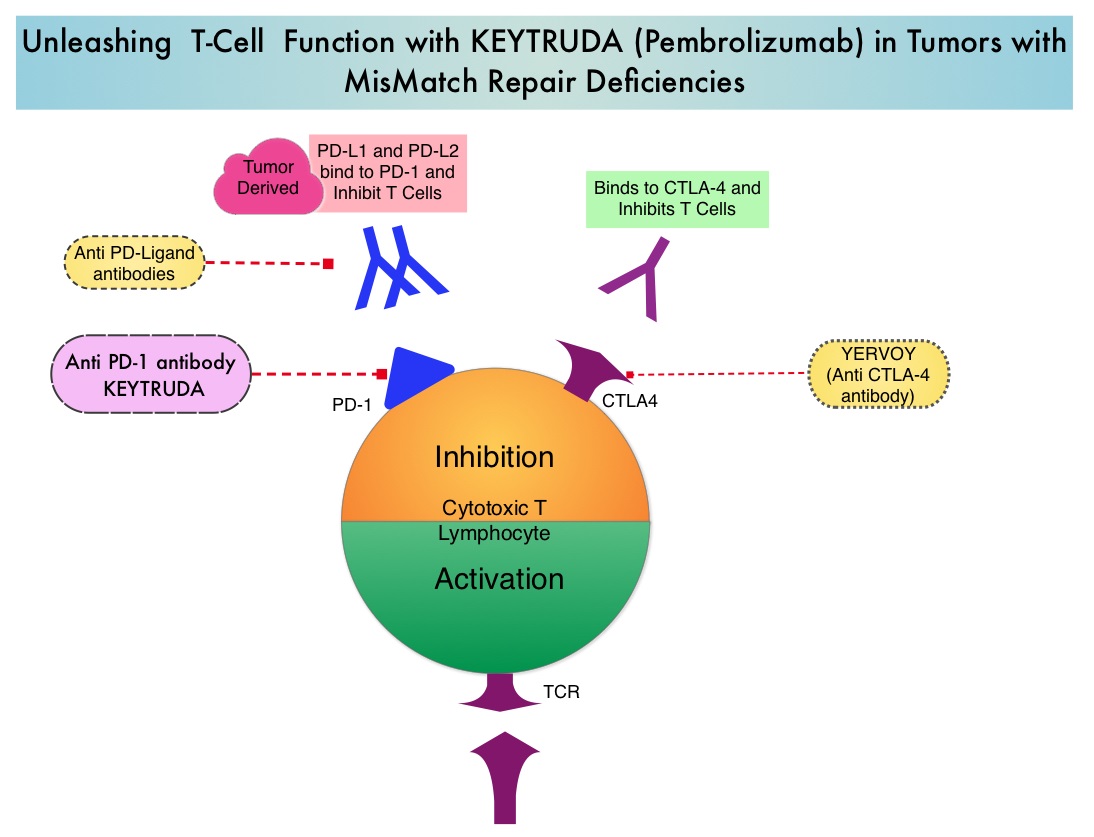 Survival of cancer cells in the human body may be to a significant extent, related to their ability to escape immune surveillance, by inhibiting T lymphocyte activation. The T cells of the immune system therefore play a very important role in modulating the immune system. Under normal circumstances, inhibition of an intense immune response and switching off the T cells of the immune system, is an evolutionary mechanism and is accomplished by Immune checkpoints or gate keepers. With the recognition of Immune checkpoint proteins and their role in suppressing antitumor immunity, antibodies are being developed that target the membrane bound inhibitory Immune checkpoint proteins/receptors such as CTLA-4 (Cytotoxic T-Lymphocyte Antigen 4), also known as CD152, PD-1(Programmed cell Death-1), etc. By doing so, one would expect to unleash the T cells, resulting in T cell proliferation, activation and a therapeutic respons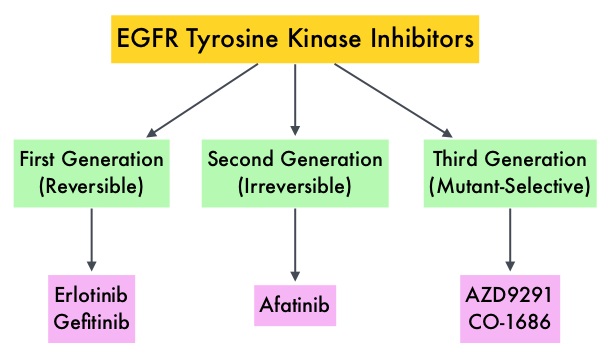
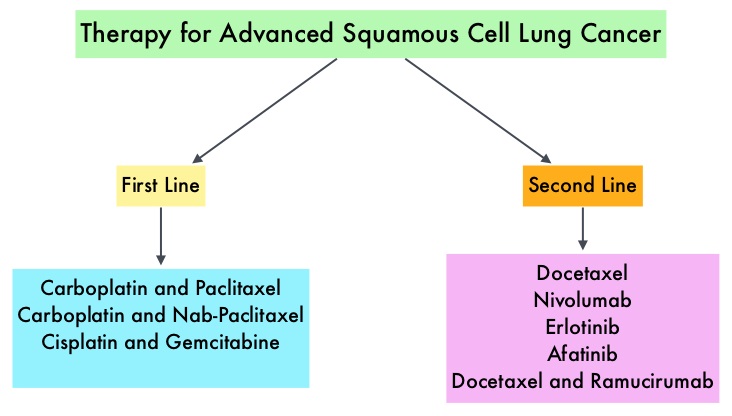 Non Small Cell Lung Cancer patients with squamous cell histology have been a traditionally hard- to-treat patient group, with less than 5% of patients with advanced SCC, surviving for five years or longer. Some of the advanced NSCLC tumors are dependent on the Epidermal Growth Factor Receptor (EGFR) for cell proliferation and survival, regardless of EGFR mutation status. TARCEVA® (Erlotinib) is a reversible EGFR Tyrosine Kinase Inhibitor and is presently approved by the FDA for the treatment of locally advanced or metastatic NSCLC, after failure of at least one prior chemotherapy regimen. GILOTRIF® (Afatinib) is an oral, irreversible blocker of the ErbB family which includes EGFR (ErbB1), HER2 (ErbB2), ErbB3 and ErbB4. This kinase inhibitor is indicated for the first line treatment of patients with metastatic NSCLC, whose tumors have Epidermal Growth Factor Receptor (EGFR) exon 19 deletions or exon 21 (L858R) substitution mutations.
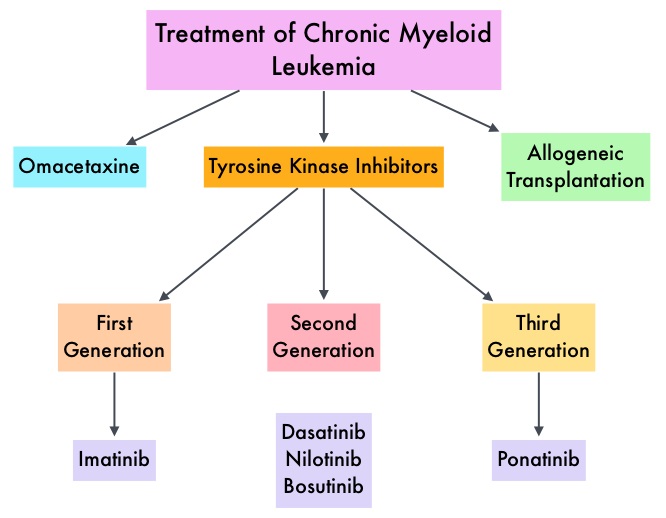 Gleevec® (Imatinib) inhibits the BCR-ABL tyrosine kinase and is the standard first line treatment, of Ph chromosome positive (Ph+) leukemias. Lack of response due to resistance to GLEEVEC® and in some instances drug intolerance, has led to the development of newer agents including Second and Third generation Tyrosine Kinase Inhibitors (TKIs). Resistance to Gleevec® and other TKIs sharing the same therapeutic target (BCR-ABL kinase), has been attributed to point mutations in the ABL kinase domain, amplification of the BCR-ABL gene as well as other BCR- ABL independent mechanisms such as upregulation of SRC kinases. Mutation analysis at the time of TKI failure, utilizing high sensitivity sequencing techniques such as Next Generation Sequencing, can give clinically relevant information related to low level mutations and compound mutations and this information in turn, can dictate choice of second line therapy.
 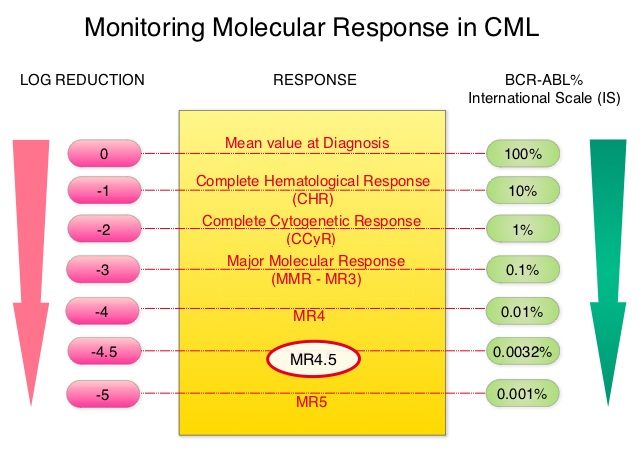 The Second generation TKIs, TASIGNA® (Nilotinib) and SPRYCEL® (Dasatinib) although initially approved for second line treatment of CML after GLEEVEC® resistance or intolerance, are now FDA approved for the treatment of newly diagnosed Chronic Phase CML. This approval was based on the rapid and superior Major Molecular Responses (MMR) noted, when compared to GLEEVEC®. Now, that the Second generation TKIs are being used as first line therapy, the choice of second line therapy after failure with Second generation TKIs has become more nebulous. It is clear however that, patients with primary cytogenetic resistance to ï¬rst and second line therapy do not beneï¬t from sequential therapy with Second generation TKIs and BCR-ABL mutation analysis should be performed in all patients who develop TKI resistant disease. Before switching from a Second to a Third generation TKI such as Ponatinib, the following considerations should be taken into account