Unique Toxicities of Immunotherapy for the Practicing Physician

SUMMARY: Immunotherapy in cancer management includes Cancer Vaccines, Cytokine therapy, Adoptive Cell therapy and therapy with Check Point protein inhibitors such as YERVOY®, KEYTRUDA® and OPDIVO®. Toxicities related to these immunotherapeutic interventions are mediated by T cells resulting in exaggerated T cell response and potential damage to normal tissues. A brief summary of the more common adverse events associated with cancer immunotherapy, is listed below-

CANCER VACCINES

PROVENGE® (Sipuleucel-T) is an autologous, cellular immunotherapy indicated for the treatment of asymptomatic or minimally symptomatic metastatic Castrate Resistant (hormone-refractory) Prostate Cancer. This product is the only currently approved Cancer Vaccine and consists of autologous CD54+ cells activated with recombinant PAP/GM-CSF (Prostate Acid Phosphatase, an antigen expressed in the prostate cancer tissue, linked to immune cell activator, Granulocyte Macrophage-Colony Stimulating Factor). Vaccine therapies work by promoting type 1 or type 2 immune reactions. In type 1 immune reaction, T helper type 1 (Th1) lymphocytes secrete Interleukin-2 (IL-2), Interferon gamma, and lymphotoxin-alpha and facilitate intense phagocytic activity whereas in type 2 immunity, Th2 cells secrete IL-4, IL-5, IL-9, IL-10, and IL-13 and is characterized by high antibody titers. Cancer Vaccines are associated with minimal toxicities because the antigens associated with the tumor are overexpressed in the cancer cells and are not usually detectable in normal cells. Common side effects include local reactions, fever, chills, fatigue, rash, back pain and Melanoma vaccines are associated with vitiligo.

CYTOKINE THERAPY

Both INTRON® A (Interferon alfa-2b) and ROFERON® A (Interferon alfa-2a) are approved for a variety of malignant conditions as well as for Chronic Hepatitis B and C. In addition to fever, chills and flu like symptoms, two thirds of the patients have nausea and anorexia and up to 45% of the patients may experience symptoms of depression. Patients should be monitored for cytopenias, diarrhea, liver toxicities as well as thyroid dysfunction and autoimmune disorders may be exacerbated with Interferon.

PROLEUKIN® (High dose IL-2) is administered in an inpatient setting with cardiac monitoring, as patients often develop capillary leak syndrome and hypotension in addition to flu like symptoms and liver function abnormalities. This has been attributed to release of Nitric Oxide, IL-1, Tumor Necrosis Factor alpha, and IFN gamma. Patients may also develop autoimmune related thyroid dysfunction, cytopenias as well as neurotoxicity and will therefore require close monitoring.

ADOPTIVE CELL THERAPY

Unlike Cancer Vaccines, Adoptive T cell therapy is a type of passive immunization which involves the transfusion of autologous or allogeneic T cells into patients with malignancies. These tumor reactive T cells can be genetically engineered or grown ex vivo and their efficacy can be enhanced by other immunotherapies, such as Cancer Vaccines, Cytokine administration or in some instances cytotoxic chemotherapy and radiation therapy. BLINCYTO® (Blinatumomab) is a genetically engineered bispecific CD19 directed CD3 T-cell engager, approved by the FDA, that binds to CD19 (expressed on B-cells) and CD3 (expressed on T-cells). It is indicated for the treatment of Philadelphia chromosome-negative relapsed or refractory B-cell precursor Acute Lymphoblastic Leukemia (ALL). Administration of BLINCYTO® or high dose IL-2 given along with T cells, can cause Cytokine Release Syndrome (CRS), associated with fever, tachycardia, vascular leak, oliguria, and hypotension. This has been attributed to IL-6 and ACTEMRA® (Tocilizumab), an IL-6 receptor antagonist may be of benefit for these patients along with IV fluids, nonsteroidal anti-inflammatory agents and vasopressors. Other toxicities that require monitoring include flu like symptoms, liver function abnormalities, B-cell aplasia, cytopenias and neurotoxicity.
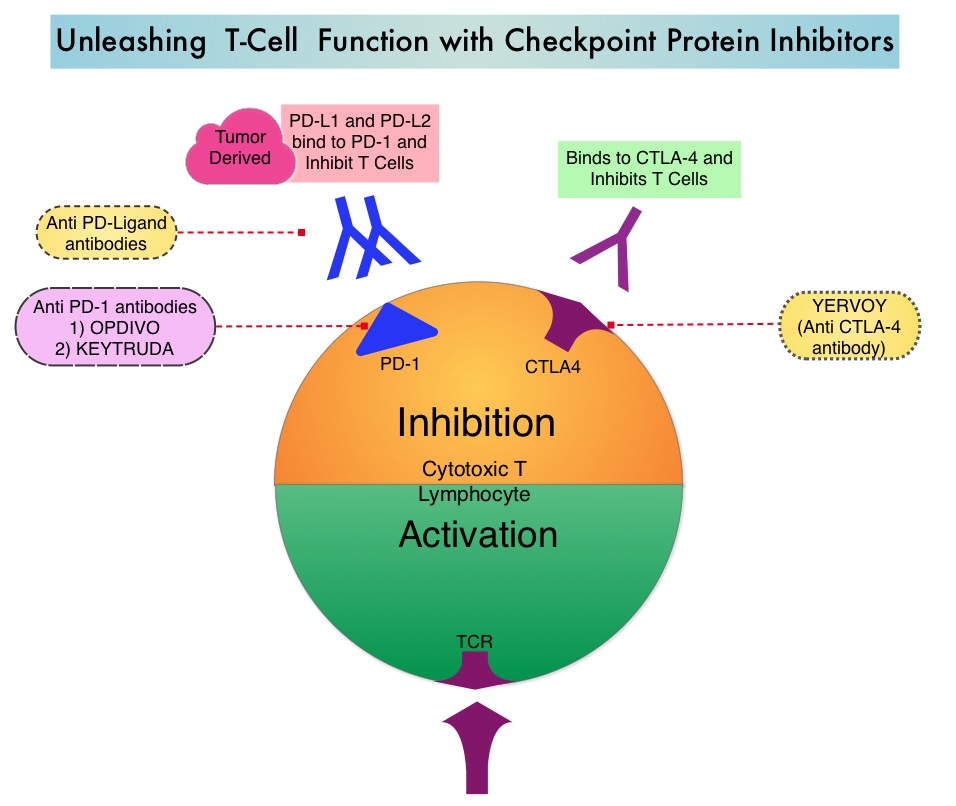
THERAPY WITH CHECKPOINT INHIBITORS

The FDA approved checkpoint inhibitors include, YERVOY® (Ipilimumab) which targets CTLA-4, KEYTRUDA® (Pembrolizumab) and OPDIVO® (Nivolumab), which block checkpoint PD-1. The toxicities associated with YERVOY® are dose dependant. Some common side effects of check point inhibitors include skin rash, flu like symptoms, liver function abnormalities, diarrhea and colitis, cytopenias, thyroid and adrenal function abnormalities. Rare cases of pneumonitis, encephalitis, Guillain-Barré syndrome, and a myasthenia gravis–like syndrome have been reported. With close monitoring, early diagnosis and intervention with Corticosteroids, these toxicities can be alleviated. REMICADE® (Infliximab), a chimeric monoclonal antibody against Tumor Necrosis Factor alpha (TNF-alpha), should be offered to those whose colitis does not resolve within 3 days of high dose steroids or for relapse of colitis with steroid taper.

Toxicities of Immunotherapy for the Practitioner. Weber JS, Yang JC, Atkins MB, et al. J Clin Oncol 2015;33:2092-2099
Preoperative Chemoradiotherapy for Esophageal or Junctional Cancer Improves Overall Survival

SUMMARY: The American Cancer Society estimates that in the US, about 16,910 new esophageal cancer cases will be diagnosed in 2016 and about 15,690 patients will die of the disease. Squamous Cell Carcinoma is the most common type of cancer of the esophagus among African Americans, while Adenocarcinoma is more common in caucasians. Previously published trials comparing neoadjuvant concurrent chemoradiation plus surgery to surgery alone, with Cisplatin and 5-FU chemotherapy, have shown conflicting results and this may have been due to small numbers of patients enrolled in these trials. Based on positive outcomes in phase II studies, the ChemoRadiotherapy for Oesophageal cancer followed by Surgery Study (CROSS) was conducted, to compare neoadjuvant chemoradiotherapy plus surgery to surgery alone, in patients with Squamous Cell Carcinoma and Adenocarcinoma of the esophagus or esophagogastric junction. Enrolled patients (N=368) were randomly assigned in a 1:1 ratio and had locally advanced (clinical stage T1N1M0 or clinical stage T2-3N0-1M0) disease. Locoregional sites included mediastinum, supraclavicular and celiac trunk lymph nodes.

Treatment consisted of PARAPLATIN® (Carboplatin) at AUC-2, IV and TAXOL® (Paclitaxel) 50 mg/m2 IV, given weekly for 5 weeks, on days 1,8,15,22 and 29 with concurrent radiotherapy (41.4 Gy, given in 23 fractions of 1.8 Gy, 5 days per week) followed by surgery (N=180), or surgery alone (N=188). The median age was 60 years and patients in the surgery alone group underwent surgery as soon as possible, whereas those receiving neoadjuvant chemoradiation underwent surgery 4-6 weeks following completion of chemoradiation. The primary endpoint of this study was Overall Survival (OS) and secondary endpoints included Progression Free Survival (PFS).

After a median follow up of 84.1 months, the median Overall Survival (OS) for all histologies was 48.6 months in the neoadjuvant chemoradiation plus surgery group and 24 months in the surgery alone group (HR=0.68; P=0.003). The median OS for patients with Squamous Cell Carcinomas was 81.6 months in the neoadjuvant chemoradiation plus surgery group and 21.1 months in the surgery alone group (HR=0.48; P=0.008) and for patients with Adenocarcinomas was 43.2 months in the neoadjuvant chemoradiotherapy plus surgery group and 27.1 months in the surgery alone group (HR=0.73; P=0.038). It is of interest to note that the improvement in distant disease control occurred within the first 2 years following treatment initiation, whereas improvement in locoregional control continued for a longer period of time.

The authors concluded that in patients with resectable, locally advanced, esophageal or esophagogastric junctional cancer, neoadjuvant chemoradiotherapy when added to surgery, confers Overall Survival benefit for both Squamous Cell Carcinoma and Adenocarcinoma histological subtypes and should therefore be regarded as the standard of care, for this patient population. Neoadjuvant chemoradiotherapy plus surgery versus surgery alone for oesophageal or junctional cancer (CROSS): long-term results of a randomised controlled trial. Shapiro J, van Lanschot JB, Hulshof MM, et al. The Lancet Oncology 2015;16:1090-1098

VARUBI® Now Approved for Delayed Chemotherapy Induced Nausea and Vomiting

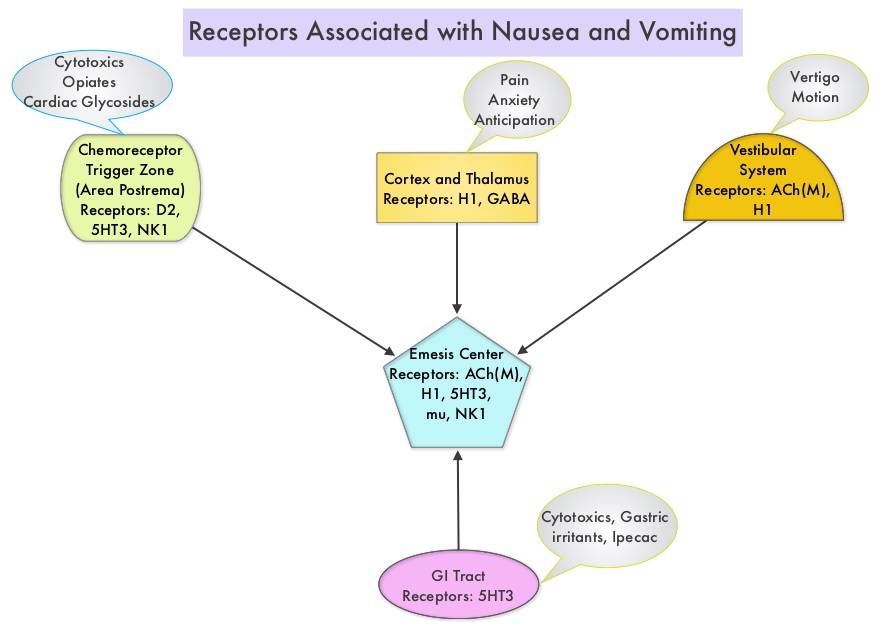
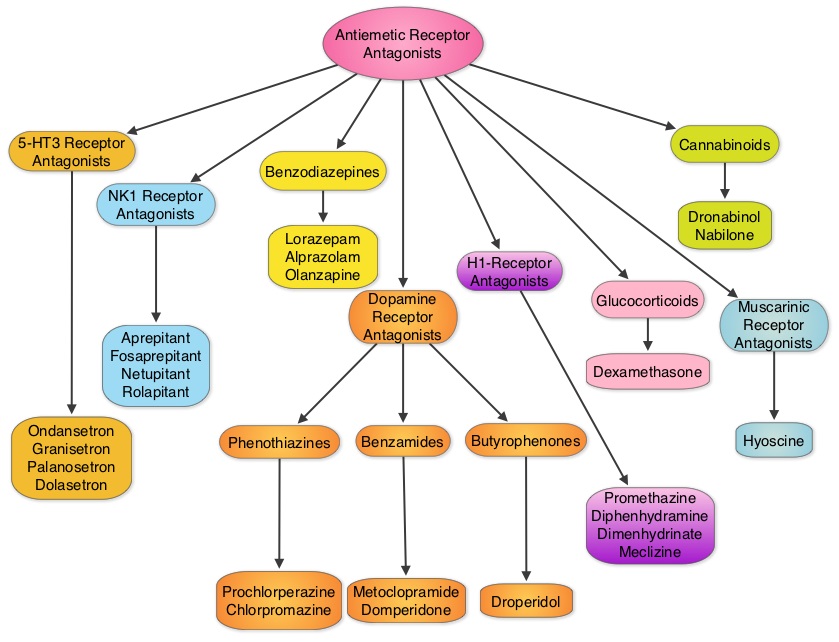
SUMMARY: The U.S. Food and Drug Administration on September 2, 2015, approved VARUBI® (Rolapitant) to prevent delayed phase Chemotherapy Induced Nausea and Vomiting (CINV). Chemotherapy Induced Nausea and Vomiting (CINV) is one of the most common adverse effects of chemotherapy and is experienced by about 80% of patients receiving chemotherapy. The development of effective antiemetic agents has facilitated the administration of majority of the chemotherapy agents in an outpatient setting avoiding hospitalization. Acute CINV begins within the first 24 hours following chemotherapy administration, with most patients experiencing symptoms within the first four hours of treatment, whereas delayed nausea and vomiting occurs more than 24 hours after chemotherapy administration and can persist for several days. Delayed CINV is often underestimated and a third of the patients receiving chemotherapy may experience delayed nausea and vomiting without prior acute nausea or vomiting. Acute nausea and vomiting is dependent on Serotonin (5-hydroxytryptamine-5HT3) and its receptors, with the chemotherapeutic agents stimulating the release of Serotonin from the enterochromaffin cells of the small intestine. 5-HT3 receptors are located on vagal afferent pathway, which in turn activates the vomiting center to initiate the vomiting reflex. 5-HT3 receptors are also located centrally in the Chemoreceptor Trigger Zone of the area Postrema. Delayed nausea and vomiting is associated with the activation of Neurokinin 1 (NK1) receptors by substance P. NK1 receptors are broadly distributed in the central and peripheral nervous systems. VARUBI® is a substance P/Neurokinin-1 (NK-1) receptor antagonist.

The safety and efficacy of VARUBI® were established in three randomized, double-blind, controlled clinical trials where VARUBI® in combination with KYTRIL® (Granisetron) and Dexamethasone was compared with placebo, KYTRIL® and Dexamethasone (control therapy), in more than 2500 patients receiving a moderately or highly emetic chemotherapy regimen. HEC Study 1 and HEC Study 2 included Cisplatin Based Highly Emetogenic Chemotherapy (HEC). Chemotherapy regimens included more than 60 mg/m2 of Cisplatin. In HEC Study 1, 532 patients were randomized to receive either antiemetic regimen with VARUBI® (N =266) or control therapy (N =266). In HEC Study 2, a total of 555 patients were randomized to receive either antiemetic regimen with VARUBI® (N =278) or control therapy (N =277). MEC Study 3 included Moderately Emetogenic Chemotherapy and combinations of Anthracycline and Cyclophosphamide chemotherapy. A total of 1369 patients were randomized in this study to receive either antiemetic regimen with VARUBI® (N =684) or control therapy (N =685). Patients in these trials received either VARUBI® 180 mg PO or placebo at 1 to 2 hours before administration of Highly Emetogenic Chemotherapy. All patients received intravenous KYTRIL® 10 μg/kg IV and Dexamethasone 20 mg PO on day 1 and Dexamethasone 8 mg PO twice daily on days 2 to 4 for up to six cycles, with each cycle lasting a minimum of 14 days. The primary endpoint in all three studies was complete response (defined as no emetic episodes and no rescue medication) in the delayed phase (25 to 120 hours) post chemotherapy.

It was noted that a significantly greater proportion of patients receiving antiemetic regimen with VARUBI® had complete responses in the delayed phase than did patients in the control therapy group – HEC Study 1: 72.7% vs 58.4% (P<0.001), HEC Study 2: 70.1% vs 61.9% (P=0.043) and MEC Study 3: 71.3% vs 61.6% (P<0.001). The most common adverse events in patients treated with VARUBI® included neutropenia, hiccups, decreased appetite and dizziness. It was concluded from these three trials that VARUBI® when combined with a 5-HT3 receptor antagonist such as KYTRIL® and a corticosteroid, significantly prevented delayed Chemotherapy Induced Nausea and Vomiting.

1) Safety and efficacy of rolapitant for prevention of chemotherapy-induced nausea and vomiting after administration of cisplatin-based highly emetogenic chemotherapy in patients with cancer: two randomised, active-controlled, double-blind, phase 3 trials. Rapoport BL, Chasen MR, Gridelli C, et al. The Lancet Oncology 2015;16:1079-1089

2) Phase 3 trial results for rolapitant, a novel NK-1 receptor antagonist, in the prevention of chemotherapy-induced nausea and vomiting (CINV) in subjects receiving moderately emetogenic chemotherapy (MEC). Schnadig ID, Modiano MR, Poma A, et al. J Clin Oncol 32:5s, 2014 (suppl; abstr 9633)

FDA Approves HALAVEN® for Advanced Liposarcoma

SUMMARY: The FDA on January 28, 2016, approved HALAVEN® (Eribulin) for the treatment of patients with unresectable or metastatic Liposarcoma, who have received a prior Anthracycline-containing regimen. The American Cancer Society's estimates that in the United States, approximately 11,930 new Soft Tissue Sarcomas were diagnosed in 2015 and 4,870 patients died of the disease. The most common types of sarcoma in adults are, Undifferentiated Pleomorphic Sarcoma ( Malignant Fibrous Histiocytoma), Liposarcoma, and Leiomyosarcoma. Leiomyosarcomas often present as abdominal sarcomas, whereas Liposarcomas and Undifferentiated Pleomorphic Sarcomas develop in the extremities. There are close to 50 different types of Soft Tissue Sarcomas. Liposarcomas are malignant tumors of the adipose tissue.

The approval of HALAVEN® was based on an open-label, randomized, multicenter, phase III trial in which 446 patients with unresectable, locally advanced or metastatic Liposarcoma or Leiomyosarcoma were randomly assigned in a 1:1 ratio to receive either HALAVEN® (N=225) or Dacarbazine (N=221). Eligible patients had received at least two prior systemic chemotherapies (one of which must have included an Anthracycline) and had disease progression within 6 months of randomization. Randomized patients received either HALAVEN® 1.4 mg/m2 on days 1 and 8 of a 21-day cycle or Dacarbazine 850 mg/m2, 1000 mg/m2, or 1200 mg/m2 chosen by the investigator prior to randomization, on day 1 of a 21-day treatment cycle. Treatment was continued until disease progression or unacceptable toxicity. Patients were stratified by histology (Liposarcoma vs. Leiomyosarcoma) and 68% (N=303) had Leiomyosarcoma and 32% (N=143) had Liposarcoma. Majority of the patients had received more than two prior systemic chemotherapies. The median age was 56 years. The primary endpoint of this study was Overall Survival and secondary endpoints included Progression Free Survival and Safety.

The trial met its primary endpoint with a statistically significant improvement in Overall Survival (OS) in the HALAVEN® group compared to the Dacarbazine group. The median OS was 13.5 months in the HALAVEN® arm and 11.3 months in the Dacarbazine arm (HR=0.75; P=0.011). There was no improvement noted in the Progression Free Survival (PFS) or Objective Response Rates in the overall study population. In the pre-planned, exploratory subgroup analyses of OS and PFS, the benefit with HALAVEN® treatment was limited to the subgroup of patients with Liposarcoma (N=143), with a median OS of 15.6 versus 8.4 months for the Dacarbazine group (HR=0.51). There was no treatment benefit with HALAVEN® compared to Dacarbazine treatment, for patients with Leiomyosarcoma (median OS of 12.8 vs 12.3 months; HR=0.90 and median PFS of 2.2 vs 2.6 months; HR=1.05).

The most common adverse reactions associated with HALAVEN® treatment were fever, fatigue, nausea, alopecia, constipation, peripheral neuropathy and neutropenia. Thrombocytopenia was more frequent in the Dacarbazine group than HALAVEN® group. It was concluded that HALAVEN® significantly improves Overall Survival in patients with advanced, pretreated Liposarcoma and is the first drug approved for this patient population. Schöffski P, Maki RG, Italiano A, et al. Randomized, open-label, multicenter, phase III study of eribulin versus dacarbazine in patients (pts) with leiomyosarcoma (LMS) and adipocytic sarcoma (ADI). J Clin Oncol. 2015;(suppl; abstr LBA10502).

FDA Approves ARZERRA® Maintenance Therapy in Chronic Lymphocytic Leukemia

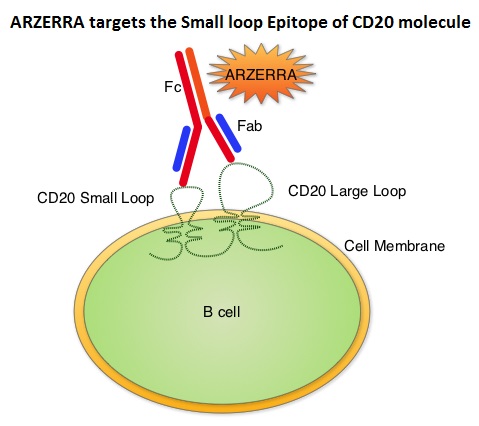
SUMMARY: The FDA on January 19, 2016 approved ARZERRA® (Ofatumumab) for extended treatment of patients who are in complete or partial response after at least two lines of therapy for recurrent or progressive Chronic Lymphocytic Leukemia (CLL). The American Cancer Society estimates that approximately 14,620 new cases of Chronic Lymphocytic Leukemia (CLL) were diagnosed in 2015 and approximately 4650 patients died from the disease. CLL is a disease of the elderly and the average age at the time of diagnosis is 72 years. ARZERRA® was previously approved for the treatment of treatment naive patients with CLL for whom FLUDARA® (Fludarabine) based therapy was considered inappropriate and also for patients with CLL refractory to FLUDARA® and CAMPATH® (Alemtuzumab). ARZERRA® is a second generation fully human IgG 1 monoclonal antibody. Unlike RITUXAN® (Rituximab), which is a chimeric monoclonal antibody, ARZERRA® targets a different region (different epitope) of the CD20 molecule. Monoclonal antibodies targeting CD20 destroy CD20 positive B cells by 3 different mechanisms. They include Antibody Dependent Cellular Cytotoxicity (ADCC), Complement Dependent Cytotoxicity (CDC) and programmed cell death (Apoptosis). Unlike RITUXAN®, ARZERRA® targets the small loop epitope of CD20 molecule which is proximal to the B cell membrane and this has been shown to be associated with highly efficient cell lysis through Complement Dependent Cytotoxicity. So, compared to RITUXAN®, ARZERRA® has stronger CDC, similar ADCC and does not appear to induce Apoptosis.

The PROLONG trial is an open-label, multicentre, randomised phase III study in which 474 patients with CLL whose disease had a complete or partial response after at least two lines of prior therapy, were randomly assigned in a 1:1 ratio to ARZERRA® (N=238) or observation (N=236). Patients in the ARZERRA® group received an initial dose of 300 mg given as an IV infusion followed by 1000 mg IV on Day 8. They subsequently received ARZERRA® 1000 mg IV every 8 weeks for up to 2 years. The median age was 65 years. The baseline characteristics in both treatment groups were well balanced. The primary endpoint was Progression Free Survival (PFS). Secondary endpoints included duration of response, Overall Survival, and safety. The median follow-up was 19•1 months. The median PFS with maintenance ARZERRA® was 29.4 months compared with 15.2 months in the observation group. This meant a 50% reduction in the risk of progression with maintenance ARZERRA® compared to observation (HR=0.50; P< 0.0001).

The most common adverse reactions in the ARZERRA® group were infusion reactions, neutropenia and upper respiratory tract infections. It was concluded that ARZERRA® is an important and new maintenance strategy in patients with relapsed CLL, to help delay disease progression. Ofatumumab maintenance versus observation in relapsed chronic lymphocytic leukaemia (PROLONG): an open-label, multicentre, randomised phase 3 study. van Oers MHJ, Kuliczkowski K, Smolej L, et al. The Lancet Oncology 2015: 16;1282-1284

XELOX Adjuvant Chemotherapy Regimen Improves Overall Survival in Stage III Colorectal Cancer

SUMMARY: The American Cancer Society estimates that approximately 133,000 new cases of ColoRectal Cancer (CRC) will be diagnosed in the United States in 2015 and close to 50,000 are expected to die of the disease. Adjuvant chemotherapy for patients with resected locally advanced, node-positive (stage III) colon cancer has been the standard of care since 1990s with improved Overall Survival noted after 6 months of bolus schedule of 5-Fluouracil (5-FU) and Leucovorin. Subsequently, the Multicenter International Study of Oxaliplatin/5-Fluorouracil/Leucovorin in the Adjuvant Treatment of Colon Cancer (MOSAIC) and National Surgical Adjuvant Breast and Bowel Project (NSABP) C-07 trials showed that the addition of ELOXATIN® (Oxaliplatin) to infusional 5- FU and Leucovorin (FOLFOX) or bolus 5-FU and Leucovorin (FLOX) significantly prolonged 3 year Disease Free Survival (DFS) when given in an adjuvant setting, in patients with stage II or III colon cancer. However, there was no significant Overall Survival (OS) benefit noted in the NSABP C-07 study.

XELOXA or NO16968 is a multinational, open-label, randomized phase III study, which only enrolled patients with stage III disease. Patients (N=1886) were randomly assigned to receive a more convenient XELOX regimen (N=944) or 5-FU and Leucovorin (N=942). The later regimen was considered the standard therapy when this trial was designed.The XELOX regimen consisted of a ELOXATIN® 130 mg/m2 given as a 2-hour IV infusion on day 1 and XELODA® (Capecitabine) 1,000 mg/m2 PO twice daily on days 1 to 14, of a 3 week cycle, for a total of eight cycles. The 5-FU/Leucovorin regimens could be either the Mayo Clinic or Roswell Park regimens. The Mayo Clinic regimen consisted of Leucovorin 20 mg/m2 and 5-FU 425 mg/m2 IV push on days 1-5, repeated every 4 weeks, for a total of six cycles. The Roswell Park regimen consisted of Leucovorin 500 mg/m2 given as a 2-hour infusion and 5-FU 500 mg/m2 IV push at 1 hour after the start of the Leucovorin infusion, repeated every week for six weeks, followed by a 2 week rest period, for a total of four 8-week cycles. The primary end point of this study was Disease Free Survival (DFS). Secondary end points were Overall Survival (OS), Relapse Free Survival (RFS) and safety.

The 3 year DFS data was published in 2011 and it was then noted that the addition of ELOXATIN® to oral Fluoropyrimidine, XELODA® improved DFS (HR=0.80; P=0.0045), similar to the previously published MOSAIC and NSABP C-07 trials. The authors in this publication reported the final efficacy data and biomarker analysis from the NO16968 trial comparing bolus 5-FU and Leucovorin with XELODA® plus ELOXATIN® (XELOX) in resected stage III colon cancer. The 7 year DFS rates were 63% and 56% in the XELOX and 5-FU/Leucovorin groups respectively (HR=0.80; P=0.004). The Overall Survival rates after a median follow up of 7 years were 73% and 67% in the XELOX and 5-FU/Leucovorin groups respectively (HR=0.83; P=0.04). It was noted that in the 498 patients who consented to the biomarker analysis, low tumor expression of DihydroPyrimidine Dehydrogenase was predictive for efficacy with XELOX regimen. There was however no statistically significant associations noted between any tumor biomarker and outcomes in the 5-FU/Leucovorin groups.

The authors concluded that in patients with resected stage III colon cancer, XELOX significantly improved Overall Survival compared to 5-FU/Leucovorin regimens and should be considered a standard adjuvant treatment option for patients with stage III disease. Tumor DihydroPyrimidine Dehydrogenase expression may be a clinically relevant biomarker for XELOX efficacy, but will require further evaluation. Capecitabine Plus Oxaliplatin Compared With Fluorouracil/Folinic Acid As Adjuvant Therapy for Stage III Colon Cancer: Final Results of the NO16968 Randomized Controlled Phase III Trial.Schmoll HJ, Tabernero J, Maroun J, et al. J Clin Oncol. 2015;33:3733-3740

Use of Biomarkers to Guide Decisions on Systemic Therapy for Women with Metastatic Breast Cancer American Society of Clinical Oncology Clinical Practice Guideline

SUMMARY: Breast cancer is the most common cancer among women in the US and about 1 in 8 women (12%) will develop invasive breast cancer during their lifetime. Approximately, 231,840 new cases of invasive breast cancer will be diagnosed in 2015 and over 40,000 women will die of the disease. The American Society of Clinical Oncology (ASCO) guidelines on the use of tumor markers in breast cancer are meant to provide evidence-based recommendations and guidance to practicing oncologists, on the appropriate use of breast tumor biomarker assays, for management of patients with metastatic breast cancer. These recommendations are for women with metastatic breast cancer being considered for systemic therapy or for changes in the drug or regimen they are receiving.

These guidelines were compiled after reviewing 17 clinical publications following an extensive literature search between 2006 and 2014. They included 11 studies that reported discordance in expression of hormone receptors or HER-2 between primary tumors and metastases, one randomized controlled study that addressed the use of a biomarker to decide whether to continue or change a treatment regimen and 5 prospective and retrospective studies that evaluated the clinical utility of biomarkers.

Should metastases be biopsied or otherwise sampled to test for changes from the primary tumor with respect to ER, PR, or HER2 status?

Patients with accessible, newly diagnosed metastases from primary breast cancer should be offered biopsy for confirmation of disease process and testing of ER, PR, and HER2 status. They should also be informed that if discordances are found, evidence is lacking to determine whether outcomes are better with treatment regimens based on receptor status in the metastases or the primary tumor. With discordance of results between primary and metastatic tissues, the Panel consensus is to preferentially use the ER, PR, and HER2 status from the metastasis to direct therapy, if supported by the clinical scenario and the patient's goals for care.

For women with metastatic breast cancer and with known ER, PR, and HER2 status, which additional tumor markers have demonstrated clinical utility to initiate systemic therapy or direct selection of a new systemic therapy regimen?

Decisions on initiating systemic therapy for metastatic breast cancer should be based on clinical evaluation, judgment, and patient preferences. There is no evidence at this time that initiating therapy solely on the basis of biomarker results beyond those of ER, PR, and HER2 improves health outcomes.

For women with metastatic breast cancer and with known ER, PR, and HER2 status, which additional tumor markers have demonstrated clinical utility to guide decisions on switching to a different drug or regimen or discontinuing treatment?

Recommendations for tissue biomarkers: In patients already receiving systemic therapy for metastatic breast cancer, decisions on changing to a new drug or regimen or discontinuing treatment should be based on clinical evaluation, judgment of disease progression or response, and the patient's goals for care. There is no evidence at this time that changing therapy based solely on biomarker results beyond ER, PR, and HER2 improves health outcomes, quality of life, or cost effectiveness.

Recommendations for circulating tumor markers: In patients already receiving systemic therapy for metastatic breast cancer, decisions on changing to a new drug or regimen or discontinuing treatment should be based on clinical evaluation, judgment of disease progression or response, and the patient's goals for care. There is no evidence at this time that changing therapy based solely on circulating biomarker results improves health outcomes, quality of life, or cost effectiveness. CEA, CA 15-3, and CA 27-29 may be used as adjunctive assessments to contribute to decisions regarding therapy for metastatic breast cancer. Data are insufficient to recommend use of CEA, CA 15-3, and CA 27-29 alone for monitoring response to treatment. As such, it is also reasonable for clinicians to not use these markers as adjunctive assessments.

For biomarkers shown to have clinical utility to guide decisions on systemic therapy for metastatic disease in questions 2 and 3, what are the appropriate assays, timing, and frequency of measurement?

Decisions for systemic therapy should be influenced by ER, PR, and HER2. ASCO recently updated the guideline addressing optimization of HER2 assays. To date, clinical utility has not been demonstrated for any additional biomarkers.

Poznak CV, Somerfield MR, Bast RC, et al. J Clin Oncol 2015;33:2695-2704

Direct Oral Anticoagulants Versus Vitamin K Antagonists in the Frail Elderly

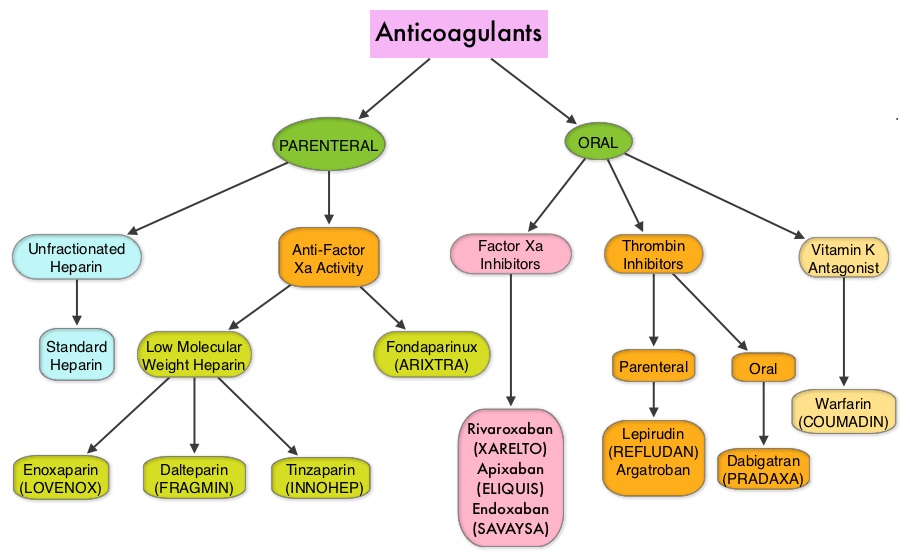
SUMMARY: There are presently four Direct Oral AntiCoagulants (DOACs) approved in the United States for the treatment of Venous ThromboEmbolism. They include PRADAXA® (Dabigatran), which is a direct thrombin inhibitor and XARELTO® (Rivaroxaban), ELIQUIS® (Apixaban), SAVAYSA® (Endoxaban), which are Factor Xa inhibitors. Compared to Vitamin K Antagonist COUMADIN® (Warfarin), the Direct Oral AntiCoagulants have a rapid onset of action, wider therapeutic window, shorter half-lives (7-14 hours in healthy individuals), no laboratory monitoring and fixed dosing schedule. The half life of these agents can however be prolonged in those with renal insufficiency. The FDA in October, 2015, granted accelerated approval to PRAXBIND® (Idarucizumab), for those patients treated with PRADAXA® (Dabigatran), when reversal of the anticoagulant effects of PRADAXA® is needed for emergency surgery/urgent procedures, or in life-threatening or uncontrolled bleeding. Unlike bleeding caused by COUMADIN® which can be reversed using Vitamin K or Fresh Frozen Plasma, there are no specific agents presently available, for reversing bleeding caused by the other Direct Oral AntiCoagulants or for stopping the anticoagulant effects of these drugs, in patients who need urgent surgical intervention.

A recently published study has shown that the availability of Direct Oral AntiCoagulants has increased the number of doctor office visits, driven by new visits related to Direct Oral AntiCoagulant (DOAC) use in Atrial Fibrillation patients. It was noted that the utilization of DOAC’s was comparable to the use of COUMADIN® (Warfarin) for Atrial Fibrillation patients (Am J Med. 2015;128:1300-1305).

The discussion by the authors in this article, revolve around a 86-year old female weighing 55 kg, who presented to the ED with persistent Epistaxis. She had a history of Atrial Fibrillation and has been taking XARELTO® (Rivaroxaban) 20 mg, once daily, for stroke prevention for 1 year. She also had a history of peripheral arterial disease and was on Aspirin 80 mg, daily for primary prevention for 9 months. It was noted that the chromogenic anti–Factor Xa assay showed that her plasma concentration of XARELTO® was supratherapeutic. So, treatment with XARELTO® was discontinued. Nonetheless, two days later, the plasma XARELTO® concentration was still within the therapeutic range rather than subtherapeutic, suggesting slow drug elimination. The medical team discontinued her Aspirin and switched her from XARELTO® to COUMADIN® (Warfarin) and discharged her.

Several valuable recommendations made from this case are worth mentioning-

1) Older age and renal insufficiency are important factors contributing to bleeding while on DOACs. Because DOACs are partially excreted by the kidneys, dose reductions are recommended in the event of renal impairment. In a study evaluating the bleeding risk with PRADAXA® (Dabigatran) in the frail elderly, two thirds of patients were older than 80 years, and close to 60% of these patients had moderate or severe renal impairment.

2) Because patients with severe renal impairment have been excluded from phase III studies, DOACs should be avoided in this population along with those patients with extreme body weights.

3) Addition of Aspirin to oral anticoagulants is appropriate for up to 12 months after acute coronary syndromes, percutaneous coronary interventions, or stenting procedures. However, this combination therapy increases the risk of major bleeding by 50% compared with oral anticoagulant use alone.

4) For patients with mechanical heart valves, a combination of Aspirin plus oral anticoagulant may be appropriate. However, only a Vitamin K Antagonist (VKA) such as COUMADIN® should be used and DOACs are not recommended.

5) Although routine laboratory testing of patients taking a DOAC is not required, elderly patients should be closely monitored, with particular attention to renal function. A normal Prothrombin Time excludes supratherapeutic XARELTO® plasma levels, and XARELTO® levels can be measured using anti–Factor Xa chromogenic assays.

In conclusion, even though DOACs have several advantages compared with VKAs, DOACs should be avoided in frail elderly patients.

Optimizing the Safe Use of Direct Oral Anticoagulants in Older Patients – A Teachable Moment. Sennesael A, Dogné J and Spinewine A. JAMA Intern Med. 2015;175:1608-1609

IMBRUVICA® as Initial Therapy for Patients with Chronic Lymphocytic Leukemia

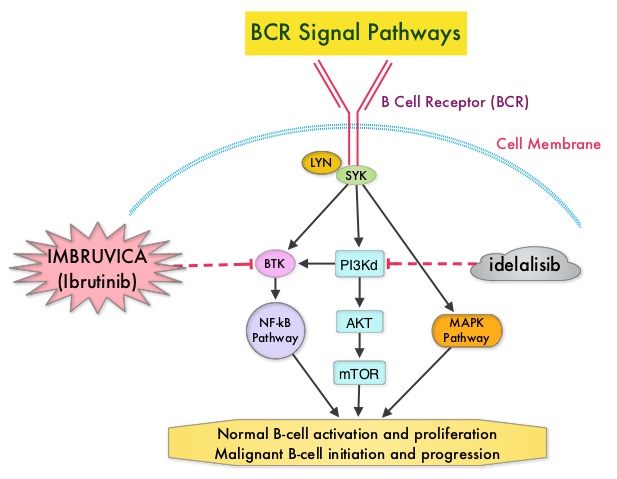
SUMMARY: The American Cancer Society estimates that approximately 14,620 new cases of Chronic Lymphocytic Leukemia (CLL) were diagnosed in 2015 and approximately 4650 patients died from the disease. CLL is a disease of the elderly and the average age at the time of diagnosis is 72 years. There are two main types of lymphocytes, B and T lymphocytes/cells. B-cell CLL is the most common type of leukemia in adults. Normal B-cell activation and proliferation is dependent on B-cell receptor (BCR) signaling. This signaling is also important for initiation and progression of B-cell lymphoproliferative disorders. Bruton's Tyrosine Kinase (BTK) is a member of the Tec family of kinases, downstream of the B-cell receptor and is predominantly expressed in B-cells. It is a mediator of B-cell receptor signaling in normal and transformed B-cells. Following binding of antigen to the B-Cell Receptor, kinases such as Syk (Spleen Tyrosine Kinase), Lyn (member of the Src family of protein tyrosine kinases) and BTK (Bruton's Tyrosine Kinase) are activated, with subsequent propagation through PI3K/Akt, MAPK, and NF-κB pathways. This results in B-cell activation and proliferation. IMBRUVICA® (Ibrutinib) is an oral, irreversible inhibitor of BTK and inhibits cell proliferation and promotes programmed cell death (Apoptosis) by blocking B-cell activation and signaling. The FDA initially granted accelerated approval to IMBRUVICA® in February 2014 for previously treated patients with CLL and this was followed by full FDA approval and a new treatment indication for high-risk CLL patients with 17p deletions, in July 2014.

In elderly CLL patients with comorbid conditions, Chlorambucil is often considered as a standard first-line therapy because of the higher rate of toxicities associated with FLUDARA® (Fludarabine) and TREANDA® (Bendamustine). RESONATE-2 is a international, open-label, randomized, phase III trial, in which the efficacy of two oral agents , IMBRUVICA® and Chlorambucil, were compared, in previously untreated elderly patients with CLL or Small Lymphocytic Lymphoma.

In this study, 269 treatment naïve patients with CLL or Small Lymphocytic Lymphoma, who were 65 years of age or older, were randomly assigned in a 1:1 ratio, to receive IMBRUVICA® 420 mg PO once daily (N=136) or Chlorambucil at a dose of 0.5 mg/kg on days 1 and 15 of each 28 day cycle, increased to a maximum of 0.8 mg/kg, if tolerated (N=133). Patients with chromosome del (17p) were excluded. The median age was 73 years and 70% of patients were over age 70. The primary end point was Progression Free Survival (PFS) and secondary end points included, Overall Response Rate (ORR), Overall Survival (OS), and sustained hematologic improvement.

With a median follow-up of 18.4 months, patients in the IMBRUVICA® group had a significantly longer Progression Free Survival (PFS) compared to the Chlorambucil group (median not reached versus 18.9 months), with a risk of progression or death 84% lower with IMBRUVICA®, compared to Chlorambucil (HR=0.16; P<0.001). IMBRUVICA® significantly prolonged Overall Survival, with an estimated Overall Survival rate of 98% at 24 months, compared to 85% with Chlorambucil, with a 84% reduction in the risk of death (HR=0.16; P=0.001). Further, IMBRUVICA® significantly improved Overall Response Rate, compared with Chlorambucil (86% vs 35%; P< 0.001) and also significantly improved hemoglobin and platelets levels from baseline values, compared with Chlorambucil. The most common adverse events associated with IMBRUVICA® were diarrhea, fatigue, cough and nausea and were mostly Grade 1 toxicities. The authors concluded that IMBRUVICA® significantly improves PFS, OS and ORR, compared to Chlorambucil, in previously untreated patients with CLL or Small Lymphocytic Lymphoma, and should be considered for all elderly patients who are not candidates for aggressive systemic therapy. Ibrutinib as initial therapy for patients with chronic lymphocytic leukemia. Burger JA, Tedeschi A, Barr PM, et al. N Engl J Med 2015; 373:2425-2437

Hepatitis B Antiviral Prophylaxis for Cancer Patients with Solid Tumors Receiving Chemotherapy

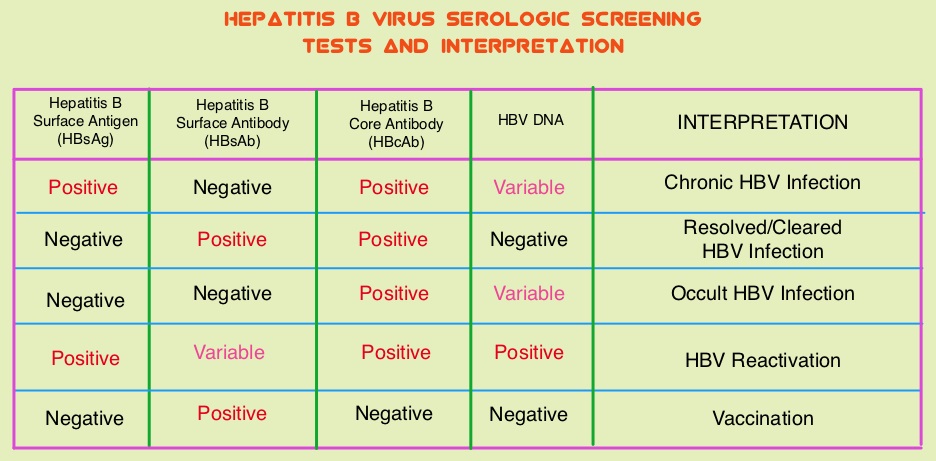
SUMMARY: The Centers for Disease Control and Prevention (CDC) estimates that there are 800,000 -1.4 million individuals with Chronic Hepatitis B (HBV) infection in the United States. Reactivation of HBV is a major concern in cancer patients who may be on chemotherapy or other immunosuppressive therapies, with the incidence of HBV reactivation ranging from 40%-60% in those who are positive for Hepatitis B surface antigen (HBsAg). HBV reactivation is preventable with prophylactic antiviral therapy, failing which it can result in delays in cancer treatment, as well as potentially fatal outcomes. Based on recently published data, showing the high risk for HBV reactivation among patients with hematological malignancies receiving B-cell-depleting agents such as RITUXAN® (Rituximab) or ARZERRA® (Ofatumumab), the FDA has urged health care providers to screen all patients for HBV infection, prior to starting therapy with these agents. HBV reactivation has been observed following chemotherapy for solid tumors, but the risk for reactivation in these settings has been unclear with insufficient evidence. The American Society of Clinical Oncology in 2010 rendered a Provisional Clinical Opinion (PCO), suggesting that there was insufficient evidence to determine the net benefits and harms of routine screening for HBV infection, in patients receiving chemotherapy and the recommendation was that screening be considered in those at increased risk for HBV infection or who receive highly immunosuppressive regimens.

This present study was conducted to determine the risk for HBV reactivation with and without antiviral prophylaxis and the benefit of prophylaxis in adults with solid tumors and chronic or resolved HBV infection. This meta-analysis included 26 original reports and the studies were independently reviewed by two investigators for study inclusion. HBV patients included in this study were receiving chemotherapy for any solid tumor with or without concomitant HBV prophylactic therapy. Study patients could receive long-term antiviral treatment or prophylaxis before chemotherapy initiation and the comparison was with those receiving chemotherapy without antiviral prophylaxis. The primary outcome was HBV reactivation as defined by a greater than 10-fold increase in HBV DNA levels from baseline or an absolute increase greater than 105 copies/mL in those with chronic HBV infection or the re-emergence of HBsAg when previously negative, in those with resolved HBV infection. Secondary outcomes included HBV-related hepatitis, interruption or delay in chemotherapy, acute liver failure with coagulopathy and hepatic encephalopathy and death.

It was noted that in patients with chronic HBV infection receiving chemotherapy, the risk for HBV reactivation without antiviral prophylaxis ranged from 4% to 68% (median, 25%). The risk for HBV reactivation, HBV-related hepatitis, and chemotherapy interruption was reduced by more than 80% with antiviral prophylaxis. Interestingly, in patients with resolved HBV infection receiving chemotherapy, there was still a risk of HBV reactivation, with this risk ranging from 0.3% to 9%. The authors in this meta-analysis addressed a very important question and concluded that the risk for HBV reactivation in patients with chronic HBV, on chemotherapy for solid tumors, is similar to the risk with other types of immunosuppressive therapy. Cancer patients should therefore be screened for HBV before chemotherapy is initiated for solid tumors and started on antiviral prophylaxis. Paul S, Saxena A, Terrin N, et al. Hepatitis B Virus Reactivation and Prophylaxis During Solid Tumor Chemotherapy: A Systematic Review and Meta-analysis. Ann Intern Med. 2016; 164:30-40.