MRI Targeted Biopsy Superior to Standard TRUS Guided Biopsy for Prostate Cancer Diagnosis

SUMMARY: Prostate cancer is the most common cancer in American men with the exclusion of skin cancer, and 1 in 9 men will be diagnosed with prostate cancer during their lifetime. It is estimated that in the United States, about 164,690 new cases of prostate cancer will be diagnosed in 2018 and 29,430 men will die of the disease. TransRectal UltraSound (TRUS) guided biopsy has been the standard of care for diagnosing prostate cancer in men with a clinical suspicion of prostate cancer, based on an abnormal Digital Rectal Examination and/or an elevated Prostate Specific Antigen (PSA) level. TransRectal UltraSound (TRUS) guided biopsy is a blind biopsy of the lateral and posterior peripheral zone of the prostate using a template, and 10 to 12 cores of prostate tissue is obtained. Even though this may result in a higher rate of prostate cancer detection, many detected are low grade tumors that do not benefit from treatment, and these patients are on active surveillance for their low risk disease. The major limitation of this biopsy procedure is the risk of under-sampling a more significant tumor that is located in a region of the prostate not usually targeted with a template. Further, in patients with a rising PSA with a prior negative biopsy, patients are often subjected to a repeat blind biopsy with the same limitations as the original biopsy. Since biopsy access is through the rectum and only specific zones of the prostate are sampled, large areas of the prostate, especially the anterior and central prostate, are not routinely sampled and clinically significant higher-grade cancers are sometimes missed.

Multiparametric MRI (mp-MRI) combines anatomic imaging in the form of T2-weighted imaging, with functional imaging and is being used to detect or rule out cancer in men who have persistent concern for prostate cancer. Previously published studies have shown that MRI-targeted biopsies alone have shown similar or higher rates of detection of clinically significant cancer in the prostate gland and lower rates of detection of clinically insignificant cancer, when compared to standard TRUS guided biopsy. This interesting advantage allows the use of mp-MRI as a triage test to avoid a biopsy if the results were negative, and if positive could be used for targeting abnormal areas in the prostate during biopsy.

The PRECISION (Prostate Evaluation for Clinically Important Disease: Sampling Using Image Guidance or Not?) trial is a multicenter, randomized, noninferiority study, which prospectively evaluated whether mp-MRI with targeted biopsy in the presence of an abnormal lesion, was noninferior to standard TRUS guided biopsy, in the detection of clinically significant prostate cancer in men, with a clinical suspicion of prostate cancer, who had not undergone biopsy previously. A total of 500 men were randomly assigned in a 1:1 of whom 252 participants were assigned to the MRI-targeted biopsy group (N=252) and 248 to the standard 10-12 core TRUS guided biopsy group (N=248). The baseline characteristics of the participants were similar in the two groups. Eligible participants were required to have a PSA level of 20ng/ml or less, no evidence of extracapsular disease on Digital Rectal Examination and be suitable candidates for an MRI and biopsy of the prostate. Clinically significant prostate cancer was defined as the presence of disease of Gleason sum 7 or higher. Men who had a positive mp-MRI test underwent MRI-targeted biopsy of only these qualifying lesions (up to three areas). The Primary outcome was the proportion of men who received a diagnosis of clinically significant cancer. Secondary outcomes included the proportion of men who received a diagnosis of clinically insignificant cancer.

It was noted that multiparametric MRI was superior to standard TRUS guided biopsy, with a significantly higher percentage of men receiving a diagnosis of clinically significant prostate cancer in the MRI-targeted biopsy group, as compared with the standard TRUS guided biopsy group (38% versus 26%, P=0.005). Further, fewer men in the MRI-targeted biopsy group than in the standard biopsy group received a diagnosis of clinically insignificant cancer (9% versus. 22%, P<0.001). In the MRI-targeted biopsy group, 28% of the men had mp-MRI results that were not suggestive of prostate cancer, and therefore did not undergo biopsy.

It was concluded that in men with a clinical suspicion of prostate cancer and had not undergone biopsy previously, the use of risk assessment with MRI before biopsy and MRI-targeted biopsy, was superior to standard TRUS guided biopsy. MRI-targeted biopsy is able to identify a high proportion of men who would benefit from treatment, and minimizes the identification of men with clinically insignificant cancer, thereby preventing overtreatment. Utilizing mp-MRI, more than 25% of the participants in this study were able to avoid a biopsy. MRI-Targeted or Standard Biopsy for Prostate-Cancer Diagnosis. Kasivisvanathan V, Rannikko AS, Borghi M, et al. N Engl J Med 2018; 378:1767-1777
FDA Approves ERLEADA® for Non-Metastatic Castrate Resistant Prostate Cancer

SUMMARY: The FDA on February 14, 2018 approved ERLEADA® (Apalutamide) for patients with Non-Metastatic Castration Resistant Prostate Cancer (NM-CRPC). Prostate cancer is the most common cancer in American men with the exclusion of skin cancer, and 1 in 9 men will be diagnosed with prostate cancer during their lifetime. It is estimated that in the United States, about 164,690 new cases of Prostate cancer will be diagnosed in 2018 and 29,430 men will die of the disease. The development and progression of prostate cancer is driven by androgens. Androgen Deprivation Therapy (ADT) has therefore been the cornerstone of treatment of advanced prostate cancer and is the first treatment intervention for Castration Sensitive Prostate Cancer (CSPC). Androgen Deprivation Therapies have included bilateral orchiectomy or Gonadotropin Releasing Hormone (GnRH) analogues, with or without first generation Androgen Receptor inhibitors such as CASODEX® (Bicalutamide), NILANDRON® (Nilutamide) and EULEXIN® (Flutamide). The median duration of response is approximately 1 year and majority of these patients progress to Castration Resistant Prostate Cancer (CRPC). The mechanism of resistance to Androgen Deprivation Therapy (ADT) include reactivation of Androgen Receptor signaling through persistent adrenal androgen production, modification of the biologic characteristics of Androgen Receptors, intratumoral testosterone production and parallel steroidogenic pathways. Progression to Castration Resistant Prostate Cancer (CRPC) often manifests itself with a rising PSA (Prostate Specific Antigen), and watchful waiting is recommended in men with non-metastatic CRPC. However, those with a rapidly rising PSA on ADT (doubling time of less than 8-10 months), are at significantly greater risk of developing metastases and death.

ERLEADA® is a next-generation, nonsteroidal, competitive inhibitor of the Androgen Receptor. ERLEADA® prevents binding of androgens to the Androgen Receptor by competitively binding directly to the ligand-binding domain of the Androgen Receptor, and prevents the translocation of the Androgen Receptor to the nucleus and thereby impedes Androgen Receptor mediated DNA transcription. ERLEADA® resulted in durable PSA responses in a phase II study, among men with non-metastatic CRPC, who were at high risk for disease progression (with a PSA level of 8 ng/ml or more or a PSA doubling time of 10 months or less). Based on this preliminary data, the authors evaluated the efficacy of ERLEADA® in men with non-metastatic CRPC, who were at a high risk for the development of metastasis.

SPARTAN (Selective Prostate Androgen Receptor Targeting with ARN-509) trial is an international, randomized, placebo-controlled, phase III study in which 1207 men were randomly assigned in a 2:1 ratio, to receive ERLEADA® 240 mg orally daily (N=806) or placebo (N=401). Eligible patients had non-metastatic CRPC and were at high risk for the development of metastasis, with a PSA doubling time of 10 months or less during continuous Androgen Deprivation Therapy (bilateral orchiectomy or treatment with Gonadotropin Releasing Hormone analogue agonists or antagonists).

All the patients at the time of screening for eligibility, underwent a technetium-99m bone scan and Computed Tomography (CT) of the head, chest, abdomen and pelvis, abdomen, and were excluded from the study if distant metastasis was detected. Androgen Deprivation Therapy was continued throughout the study period. Patients were eligible to receive treatment with sponsor-provided ZYTIGA® (Abiraterone acetate) plus Prednisone, after the first detection of distant metastasis. The Primary end point was Metastasis-Free Survival, which was defined as the time from randomization to the first detection of distant metastasis on imaging or death. Secondary end points included time to metastasis, Progression Free Survival, time to symptomatic progression, Overall Survival, and time to the initiation of cytotoxic chemotherapy. For those patients who developed metastases, the time between randomization to the first treatment for metastatic CRPC and subsequent progression (second Progression Free Survival-PFS2), was also evaluated.

At the time of the planned primary analysis, the median Metastasis-Free Survival was 40.5 months in the ERLEADA® group as compared with 16.2 months in the placebo group (HR for metastasis or death =0.28; P<0.001). This meant a 72% reduction in the risk of metastasis and death in the ERLEADA® group and significantly prolonged median Metastasis-Free Survival by 2 years, compared with placebo. Further, ERLEADA® significantly improved the time to metastasis, Progression Free Survival and symptom progression, compared with placebo. The time to symptomatic progression was significantly longer with ERLEADA® than with placebo (HR=0.45; P<0.001), which meant a 55% risk reduction in the time to symptomatic disease progression. All prespecified subgroups consistently benefited from ERLEADA®.

In spite of subsequent approved treatment for metastatic CRPC in 78% of placebo recipients (most common subsequent treatment being ZYTIGA® plus Prednisone), the second Progression Free Survival was significantly longer in the ERLEADA® group, compared to the placebo group (Hazard Ratio for progression or death=0.49). A trend toward improved survival was observed in the ERLEADA® group. At a median follow up of 20.3 months, 61% in the ERLEADA® group and 30% in the placebo group were still on therapy. Treatment discontinuation due to adverse events was 10.6% in the ERLEADA® group and 7.0% in the placebo group, and patients in the ERLEADA® group had a higher incidence of rash, hypothyroidism and fractures.

It was concluded that among patients with non-metastatic Castration Resistant Prostate Cancer, ERLEADA® significantly prolonged Metastasis-Free Survival and time to symptomatic progression, when compared to placebo. Apalutamide Treatment and Metastasis-free Survival in Prostate Cancer. Smith MR, Saad F, Chowdhury S, et al. for the SPARTAN Investigators. N Engl J Med. February 8, 2018. DOI: 10.1056/NEJMoa1715546

FDA Approves ZYTIGA® for High-Risk Metastatic Castration-Sensitive Prostate Cancer

The FDA on February 7, 2018, approved ZYTIGA® (Abiraterone acetate) in combination with Prednisone for metastatic high-risk Castration Sensitive Prostate Cancer (CSPC). The FDA initially approved ZYTIGA® with prednisone in 2011 for patients with metastatic Castration Resistant Prostate Cancer (CRPC), who had received prior chemotherapy, and the FDA expanded the indication in 2012, for patients with chemo naïve metastatic CRPC. The addition of ZYTIGA® along with Prednisone, to Androgen Deprivation Therapy, significantly increased Overall Survival and radiographic Progression Free Survival, in men with newly diagnosed, metastatic, Castration Sensitive Prostate Cancer. The new approval will change the treatment landscape for patients with metastatic CSPC.

FDA Approves ZYTIGA® for High-Risk Metastatic Castration-Sensitive Prostate Cancer

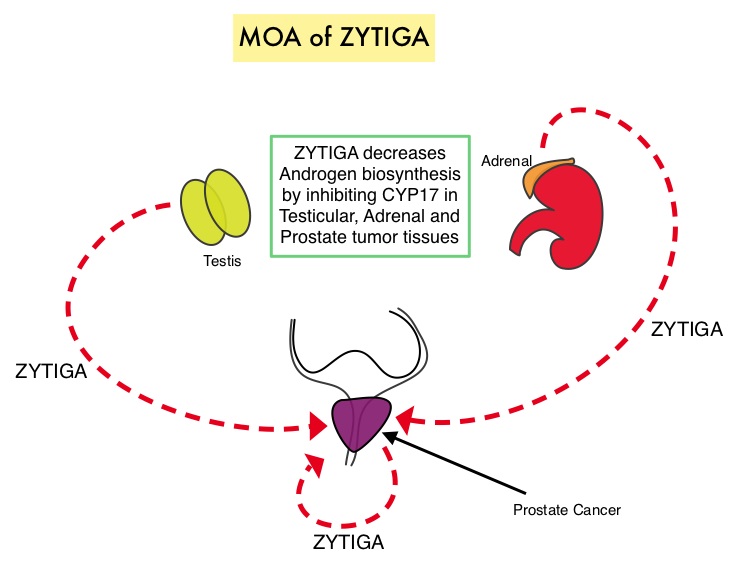
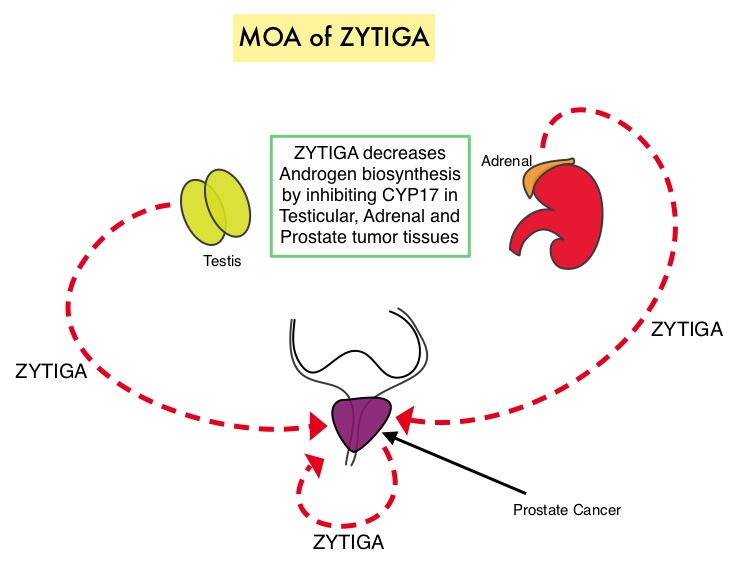
SUMMARY: The FDA on February 7, 2018, approved ZYTIGA® (Abiraterone acetate) in combination with Prednisone for metastatic high-risk Castration Sensitive Prostate Cancer (CSPC). The FDA initially approved ZYTIGA® with prednisone in 2011 for patients with metastatic Castration Resistant Prostate Cancer (CRPC), who had received prior chemotherapy, and the FDA expanded the indication in 2012, for patients with chemo naïve metastatic CRPC. Prostate cancer is the most common cancer in American men with the exclusion of skin cancer and 1 in 9 men will be diagnosed with prostate cancer during their lifetime. It is estimated that in the United States, about 164,690 new cases of Prostate cancer will be diagnosed in 2018 and 29,430 men will die of the disease. The development and progression of prostate cancer is driven by androgens. Androgen Deprivation Therapy (ADT) has therefore been the cornerstone of treatment of advanced prostate cancer and is the first treatment intervention for Castration Sensitive Prostate Cancer (CSPC). Androgen Deprivation Therapies have included bilateral orchiectomy or Gonadotropin Releasing Hormone (GnRH) analogues, with or without first generation androgen receptor inhibitors such as CASODEX®: (Bicalutamide), NILANDRON® (Nilutamide) and EULEXIN® (Flutamide). The median duration of response is approximately 1 year and majority of these patients progress to Castration Resistant Prostate Cancer (CRPC). The mechanism of resistance to Androgen Deprivation Therapy (ADT) include reactivation of Androgen Receptor signaling through persistent adrenal androgen production, modification of the biologic characteristics of Androgen Receptors, intratumoral testosterone production and parallel steroidogenic pathways.Mechanism-of-Action-of-ZYTIGA

Two previously published trials, STAMPEDE and CHAARTED have shown that the addition of TAXOTERE® (Docetaxel) to Androgen Deprivaton Therapy as first line systemic therapy, significantly improved Overall Survival, among men with locally advanced or metastatic Castration Sensitive Prostate Cancer. This is presently the standard of care for appropriate patients with prostate cancer, who had not received prior hormone therapy. The barriers to chemo-hormonal therapy with TAXOTERE® include advanced patient age, poor Performance Status, comorbidities, patient preferences, as well as potential life threatening toxicities associated with TAXOTERE®.

ZYTIGA® is a selective, irreversible inhibitor of CYP 17A1 enzyme and decreases androgen biosynthesis in the testes, adrenal glands, and prostate-tumor tissue. Combining a CYP17A1 inhibitor such as ZYTIGA® with Androgen Deprivation Therapy is a more effective way of androgen depletion than with Orchiectomy or GnRH analogues alone. ZYTIGA® in combination with prednisone has been shown to significantly increase Overall Survival in patients with metastatic CRPC who had not received chemotherapy as well as those who had received previous chemotherapy with TAXOTERE®. Further, ZYTIGA® along with Prednisone has been shown to reduce tumor burden in men with high-risk, localized prostate cancer, receiving neoadjuvant therapy.

The current FDA approval was based on LATITUDE, a multinational, randomized, double-blind, placebo-controlled, phase III trial, in which the authors evaluated the clinical benefit of adding ZYTIGA® along with Prednisone to Androgen Deprivation Therapy (ADT), as compared with Androgen Deprivation Therapy and placebo, in patients with newly diagnosed, metastatic Castration Sensitive Prostate Cancer. In this study, 1199 newly diagnosed patients with high-risk metastatic prostate cancer were randomized to receive either ZYTIGA® along with Prednisone and ADT (N=597) or placebo and ADT (N=602). ZYTIGA® was administered at 1000 mg and Prednisone at 5 mg, both drugs given orally daily, and ADT consisted of a GnRH (Gonadotropin Releasing Hormone) analog. Eligible patients should not have received prior ADT and had at least 2 of 3 risk factors which included Gleason score 8 or greater, measurable visceral metastases or 3 or more bone lesions, all of which are associated with poor survival. The median age was 68 years and 98% of the enrolled patients had a Gleason score of 8 or more and had 3 or more sites of bone metastases. Both treatment groups were well balanced. The two Primary end points were Overall Survival and radiographic Progression Free Survival.

After a median follow-up of 30.4 months, at a planned interim analysis, the median Overall Survival was significantly longer in the ZYTIGA® group compared to the placebo group (Not Reached versus 34.7 months, HR=0.62; P<0.001). This meant a 38% reduction in the risk of death with the addition of ZYTIGA® and Prednisone to ADT compared with placebo and ADT. The median radiographic Progression Free Survival was 33 months in the ZYTIGA® group and 14.8 months in the placebo group (HR=0.47; P<0.001). This meant a 53% reduction in the risk of progression or death, with the addition of ZYTIGA® and Prednisone to ADT, compared with placebo and ADT. Further in the ZYTIGA® group, significantly better outcomes were observed in all Secondary end points and they included Time to pain progression, Time to next subsequent therapy for prostate cancer, Time to initiation of chemotherapy, and PSA progression (P<0.001 for all comparisons), along with Time to next symptomatic skeletal events (P=0.009). Based on these promising findings, the Independent Data and Safety Monitoring Committee recommended that the trial be unblinded and crossover be allowed for patients in the placebo group to receive ZYTIGA® and Prednisone along with ADT.

The authors concluded that the addition of ZYTIGA® along with Prednisone, to Androgen Deprivation Therapy, significantly increased Overall Survival and radiographic Progression Free Survival, in men with newly diagnosed, metastatic, Castration Sensitive Prostate Cancer. Abiraterone plus Prednisone in Metastatic, Castration-Sensitive Prostate Cancer. Fizazi K, Tran N, Fein L, et al. for the LATITUDE Investigators. N Engl J Med 2017; 377:352-360

ZYTIGA® (Abiraterone acetate)

The FDA on February 7, 2018 approved ZYTIGA® tablets in combination with Prednisone for metastatic high-risk Castration-Sensitive Prostate Cancer (CSPC). The FDA initially approved ZYTIGA® with prednisone in 2011 for patients with metastatic Castration-Resistant Prostate Cancer (CRPC), who had received prior chemotherapy, and expanded the indication in 2012 for patients with metastatic CRPC. ZYTIGA® is a product of Janssen Biotech Inc.

JEVTANA® (Cabazitaxel)

The FDA on September 14, 2017 approved a lower dose of JEVTANA® (20 mg/m2 every 3 weeks) in combination with Prednisone for the treatment of patients with metastatic Castration-Resistant Prostate Cancer, previously treated with a Docetaxel-containing treatment regimen. JEVTANA® (25 mg/m2 every 3 weeks) was approved for this indication in 2010. JEVTANA® is a product of Sanofi-Aventis.

Brachytherapy for Patients With Prostate Cancer American Society of Clinical Oncology/Cancer Care Ontario Joint Guideline Update Summary

SUMMARY: Prostate cancer is the most common cancer in American men with the exclusion of skin cancer and 1 in 7 men will be diagnosed with Prostate cancer during their lifetime. It is estimated that in the United States, about 161,360 new cases of Prostate cancer will be diagnosed in 2017 and 26,730 men will die of the disease. Brachytherapy for prostate cancer is a type of Internal radiation treatment in which radioactive material sealed inside a seed, pellet, wire, or capsule is implanted in the prostate gland using a needle or catheter. Brachytherapy allows the delivery of higher doses of radiation to the intended site, compared with the conventional form of radiation therapy (External Beam Radiation Therapy).

Types of Brachytherapy

1) Low-dose rate (LDR) implants that stay in the prostate gland for 1 to 7 days and then are taken out.

2) High-dose rate (HDR) implants that stay in the prostate gland for a few minutes at a time and are then taken out.

3) Permanent implants that stay in the prostate gland and are not removed.

Prostate Cancer Risk Categories

Very Low Risk: T1c, Gleason score 6 or less, PSA less than 10 ng/ml, Fewer than 3 prostate biopsy cores positive with 50% or less cancer in each core

Low Risk: T1-T2a, Gleason score 6 or less, PSA less than 10 ng/ml

Intermediate Risk: T2b-T2c and/or Gleason score =7 and/or PSA 10-20 ng/ml

High Risk: T3a or Gleason score 8-10 or PSA more than 20 ng/ml

Very High Risk: T3b-T4

With the gathering of new evidence from randomized trials since the original publication in 2013, a guidelines update became necessary. The scope of this guideline covers Brachytherapy boost and monotherapy. The relevant evidence was evaluated for inclusion in this updated clinical practice guideline after a systematic review of the literature and five randomized controlled trials provided the evidence for this update. 

Guideline Questions

1) In patients with newly diagnosed Prostate cancer, what is the efficacy of Brachytherapy alone for clinical outcomes compared with External Beam Radiation Therapy (EBRT) alone, or Radical Prostatectomy (RP) alone?

2) In patients with newly diagnosed Prostate cancer, what is the efficacy of Brachytherapy combined with EBRT for clinical outcomes compared with Brachytherapy alone, EBRT alone, or RP alone?

3) Among the isotopes used for low-dose-rate (LDR) Brachytherapy (eg, Iodine-125 [125I], Palladium-103 [103Pd], and Cesium-131 [131Cs]), which isotope maximizes clinical outcomes when used in patients with newly diagnosed Prostate cancer?

Updated recommendations

1) For patients with low-risk Prostate cancer who require or choose active treatment, LDR brachytherapy alone, EBRT alone, or RP should be offered to those who are eligible.

2) For patients with intermediate-risk Prostate cancer choosing EBRT with or without Androgen Deprivation Therapy (ADT), Brachytherapy boost (LDR or high–dose rate [HDR]) should be offered to eligible patients.

3) For low-intermediate risk Prostate cancer (Gleason 7, PSA 10 ng/mL or Gleason 6, PSA 10 to 20 ng/mL) LDR Brachytherapy alone may be offered as monotherapy.

4) For patients with high-risk Prostate cancer receiving EBRT and ADT, Brachytherapy boost (LDR or HDR) should be offered to eligible patients.

5)125I and 103Pd are each reasonable isotope options for patients receiving LDR Brachytherapy; no recommendation can be made for or against using 131Cs or HDR monotherapy.

6) Patients should be encouraged to participate in clinical trials

Qualifying Statements

1) Patients should be counseled about all of their management options (surgery, EBRT, Brachytherapy, or active surveillance, as applicable) in a balanced, objective manner, preferably by practitioners from multiple disciplines.

2) Recommendations for patients with low-risk disease are unchanged from the initial guideline because no new data from randomized studies informing this question have been presented or published since 2013.

3) Patients ineligible for Brachytherapy may include those with moderate to severe baseline urinary symptoms, large prostate volume, or prior transurethral resection of the prostate, those who are medically unfit, and those with contraindications to radiation treatment.

4) ADT may be given in neoadjuvant, concurrent, and/or adjuvant settings at the physician’s discretion. Note that neoadjuvant ADT may cytoreduce the prostate volume sufficiently to allow Brachytherapy.

5) There may be increased genitourinary toxicity with Brachytherapy compared with use of EBRT alone.

6) Brachytherapy should be performed at a center that has strict quality assurance standards.

7) It cannot be determined whether there is an overall or cause-specific survival advantage for Brachytherapy compared with EBRT alone because none of the trials were designed or powered to detect a meaningful difference in survival outcomes.

Brachytherapy for Patients With Prostate Cancer: American Society of Clinical Oncology/Cancer Care Ontario Joint Guideline Update. Chin J, Rumble RB, Kollmeier M, et al. Journal of Clinical Oncology 2017;35:1737-1743.

Late Breaking Abstract – ASCO 2017 Adding ZYTIGA® to Androgen Deprivation Therapy Improves Overall Survival in Newly Diagnosed Advanced Prostate Cancer

SUMMARY: Prostate cancer is the most common cancer in American men with the exclusion of skin cancer and 1 in 7 men will be diagnosed with prostate cancer during their lifetime. It is estimated that in the United States, about 161,360 new cases of Prostate cancer will be diagnosed in 2017 and 26,730 men will die of the disease. The development and progression of prostate cancer is driven by androgens. Androgen Deprivation Therapy (ADT) has therefore been the cornerstone of treatment of advanced prostate cancer and is the first treatment intervention for hormone sensitive prostate cancer. For patients with Castrate Resistant Prostate Carcinoma (CRPC), several agents have been proven to improve Overall Survival and they include, TAXOTERE® (Docetaxel), JEVTANA® (Cabazitaxel), ZYTIGA® (Abiraterone acetate), XTANDI® (Enzalutamide), XOFIGO® (Radium-223), and PROVENGE® (Sipuleucel-T).

The Systemic Therapy in Advancing or Metastatic Prostate Cancer: Evaluation of Drug Efficacy (STAMPEDE) trial is an ongoing study and uses a novel multiarm, multistage (MAMS) platform design, to test whether the addition of further treatments to ADT improves Overall Survival, when used in first-line setting, for patients with hormone sensitive, locally advanced or metastatic prostate cancer. This group previously reported that there was a significantly improved Overall Survival with the addition of TAXOTERE® to initial ADT. This is presently the standard of care for appropriate patients with prostate cancer, who had not received prior hormone therapy. The barriers to chemo-hormonal therapy with TAXOTERE® include advanced patient age, poor Performance Status, comorbidities, patient preferences, as well as potential life threatening toxicities associated with TAXOTERE®.

ZYTIGA® is a selective, irreversible inhibitor of CYP 17A1 enzyme and decreases androgen biosynthesis in the testes, adrenal glands, and prostate-tumor tissue. Combining a CYP17A1 inhibitor such as ZYTIGA® with Androgen Deprivation Therapy is a more effective way of androgen depletion than with Orchiectomy or GnRH analogues alone. In this analysis, the STAMPEDE trial evaluated Overall Survival outcomes, with the earlier use of ZYTIGA®, in men with high risk, hormone sensitive prostate cancer, who were initiating long-term Androgen Deprivation Therapy.

A total of 1917 patients were randomly assigned patients in a 1:1 ratio to receive Androgen Deprivation Therapy (ADT) alone (N=957) or ADT plus ZYTIGA® (N=960), administered at 1000 mg PO daily and prednisolone 5 mg PO daily (combination therapy). ADT was given for at least 2 years. Eligible patients had prostate cancer that was newly diagnosed and metastatic, node-positive, or high-risk locally advanced disease or prostate cancer that was previously treated with radical surgery or radiotherapy and was now relapsing with high-risk features. Patients with locally advanced disease could also receive radiation therapy in addition to ADT. Radiotherapy was mandated for patients with N0M0 disease and encouraged for those with stage N+M0 disease. The median age was 67 years, and the median PSA level was 53 ng/ml. Approximately 52% of the patients had metastatic disease, 20% had node-positive or node-indeterminate, non-metastatic disease, and 28% had node-negative, non-metastatic disease. Majority of the patients (95%) had newly diagnosed disease. The median follow up was 40 months.

There was a significant survival advantage with combination therapy with a 3-year Overall Survival of 83% with ADT plus ZYTIGA® compared with 76% with ADT alone group (HR=0.63; P<0.001). This meant a 37% reduction in the risk of death with the ZYTIGA® combination treatment. Further, the combination treatment reduced the risk of relapse by 71% (HR=0.29; P<0.001), and also reduced the risk of symptomatic skeletal events by 54% (HR=0.46; P<0.001), compared with ADT alone. Treatment overall was well tolerated.

It was concluded that ADT plus ZYTIGA® and prednisolone results in significantly higher rates of Overall Survival as well as Failure-Free Survival, compared with ADT alone, among men with hormone sensitive, locally advanced or metastatic prostate cancer. Interestingly, the LATITUDE trial showed similar findings in newly diagnosed, metastatic, hormone sensitive prostate cancer patients (June 4, 2017DOI: 10.1056/NEJMoa1704174). The results of both STAMPEDE and LATITUDE trials will very likely change practice patterns and will become the new standard of care for this patient group. Abiraterone for Prostate Cancer Not Previously Treated with Hormone Therapy. James ND, de Bono JS, Spears MR, et al. for the STAMPEDE Investigators. June 3, 2017DOI: 10.1056/NEJMoa1702900

Genomic Prostate Score® (GPS) can Predict Prostate Cancer Mortality and Risk of Metastases in Early Stage Prostate Cancer

SUMMARY: Prostate cancer is the most common cancer in American men with the exclusion of skin cancer and 1 in 7 men will be diagnosed with prostate cancer during their lifetime. It is estimated that in the United States, about 161,360 new cases of Prostate cancer will be diagnosed in 2017 and 26,730 men will die of the disease. Traditionally, clinical risk assessment has been based on Tumor stage, Gleason score and PSA level, in patients who had Radical Prostatectomy for Prostate cancer. However, new validated biomarkers can improve risk stratification for men with Prostate cancer.

The Oncotype DX® Prostate Cancer Assay is a multi-gene RT-PCR expression assay that was developed for use with Fixed Paraffin-Embedded (FPE) Prostate needle biopsy specimens. This 17 gene assay measures expression of 12 cancer related genes representing four biological pathways with a known role in Prostate cancer development (androgen pathway, cellular organization, proliferation and stromal response), and 5 reference genes used to control for sources of pre-analytical and analytical variability. Combined together algorithmically, the Genomic Prostate Score (GPS, scale 0-100) is calculated, with a higher GPS score representing a more aggressive tumor phenotype. Genomic Prostate Score has been shown to predict unfavorable outcomes beyond conventional clinical and pathologic factors and has been validated as an independent predictor of adverse surgical pathology and BioChemical Recurence after Radical Prostatectomy, in men with low-risk and low-volume intermediate-risk Prostate cancer.

The authors conducted a large community based study, to confirm that Genomic Prostate Score (GPS) is a predictor of BioChemical Recurrence in all clinical risk groups (low, intermediate and high), in a large cohort of Prostate cancer patients, followed up at Kaiser Permanente medical groups in Northern California. A retrospective study was performed from the Kaiser Permanente clinical database of 6,184 Prostate cancer patients, between 1995- 2010, with NCCN very low, low, intermediate and high-risk disease, who were treated with Radical Prostatectomy. BioChemical Recurrence was defined as either 2 successive post-Radical Prostatectomy PSAs of 0.2 ng/mL or more, or initiation of salvage therapy after a rising PSA of 0.1 ng/mL or more. Genomic Prostate Score was derived from the archival biopsy tissue. The researchers were able to retrieve the biopsy tissue of 334 patients of whom 279 patients met all eligibility criteria and a valid GPS score was available in 259 (93%) patients.

It was noted that Genomic Prostate Score was strongly associated with BioChemical Recurrence after adjusting for PSA, clinical T stage and tumor Gleason Score (P=0.002). Genomic Prostate Score was a strong independent predictor of Prostate cancer-specific death and disease progression (metastases) at 10 years, across all NCCN clinical risk groups. Further, the association between GPS and BioChemical Recurrence was similar within the different racial groups.

It was concluded that for patients with Prostate cancer treated with Radical Prostatectomy, a higher Genomic Prostate Score was associated with BioChemical Recurrence, independent of other clinical factors. Genomic Prostate Score can hence improve risk stratification beyond clinical risk assessment, by predicting both near term adverse pathology and long term clinical outcomes Validation of a 17-Gene Genomic Prostate Score (GPS) as a predictor of biochemical recurrence (BCR) in men with prostate cancer treated with radical prostatectomy (RP) in a community setting. VanDenEeden SK, Zhang N, Quesenberry CP, et al. J Clin Oncol 35, 2017 (suppl 6S; abstract 41)