Addition of Radiation Therapy to Androgen-Deprivation Therapy Also Benefits Elderly Patients with Locally Advanced Prostate Cancer

SUMMARY: Prostate cancer is the most common cancer in American men with the exclusion of skin cancer and 1 in 7 men will be diagnosed with prostate cancer during their lifetime. It is estimated that in the United States, about 220,800 new cases of prostate cancer will be diagnosed in 2015 and over 27,000 men will die of the disease. The development and progression of prostate cancer is driven by Androgens. Androgen Deprivation Therapy (ADT) has therefore been the cornerstone of treatment of advanced prostate cancer and is the first treatment intervention for hormone sensitive prostate cancer. Prostate cancer in general is a disease of the elderly and is a leading cause of cancer mortality in men, second only to lung cancer. Elderly patients however are often under-represented in clinical trials. This is in spite of data published in previous studies showing that an average 75 yr old male in the United States has an additional life expectancy of 11 years. Further in clinical practice, elderly patients are less likely to receive either Surgery or Radiation Therapy (RT) and this is also true in men with high risk prostate cancer. This mind set has been further reinforced by recent recommendations against PSA screening and role of close surveillance for patients with low risk prostate cancer.

It is generally perceived that clinically localized prostate cancer is an indolent tumor. Patients with clinically localized prostate cancer can present with either locally advanced prostate cancer or prostate cancer detected by PSA screening. Patients with locally advanced disease have clinical stage T3 disease with tumor extending beyond the confines of the prostate gland. The 10 yr mortality in this patient group is as high as 25%. Patients with PSA screening-detected prostate cancer may have earlier stage disease with a much better prognosis. However, in this subgroup, those with poorly differentiated or undifferentiated clinical stage T1c tumors, with a Gleason score of 8-10, have a significantly higher mortality rate. It is now well established that the addition of Radiation Therapy (RT) to Androgen Deprivation Therapy (ADT) improves Overall Survival compared to ADT alone, in patients with locally advanced prostate cancer. However, these studies did not include patients over 75 years of age or those with PSA screen detected high risk prostate cancer.

With this age-biased background, the authors conducted a non-randomized observational study to assess, whether the survival advantage of ADT plus RT over ADT alone, reported in clinical trials, could be replicated in real world clinical practice, to two subgroups of patients poorly represented in the clinical trials such as, men older than 75 years, with locally advanced prostate cancer and men age 65 years or older, with PSA screen detected high risk prostate cancer. Utilizing the SEER-Medicare data set, the authors reviewed the effectiveness of ADT plus RT compared to ADT alone in three groups of patients diagnosed with localized prostate cancer between 1995 and 2007 and observed through 2009. These three groups included 1) The Randomized Clinical Trial (RCT) cohort, which included men age 65 to 75 years, a profile consistent with participants in the randomized trials 2) The elderly cohort, which included men over 75 years of age, with locally advanced prostate cancer 3) PSA screen-detected cohort, which included men 65 years or older with PSA screen-detected high risk prostate cancer. The cause-specific and all-cause mortality was determined in these patient groups.

It was noted that in the RCT cohort, ADT plus RT was associated with reduced cause-specific and all-cause mortality compared to ADT alone and these finding were not significantly different from published randomized trials data. Interestingly, similar Overall Survival benefit was noted in the elderly and PSA screen-detected cohorts, with ADT plus RT. The authors in this thought provoking study concluded that older men with locally advanced or PSA screen-detected high-risk prostate cancer should also be offered ADT plus Radiation Therapy, as this therapeutic modality can improve Overall Survival. Effectiveness of Androgen-Deprivation Therapy and Radiotherapy for Older Men with Locally Advanced Prostate Cancer. Bekelman JE, Mitra N, Handorf EA, et al. J Clin Oncol 2015;33:716-722
FDA Approves PORTRAZZA® for Metastatic Squamous Non-Small Cell Lung Cancer

SUMMARY: The FDA on November 24, 2015, granted approval to Necitumumab (PORTRAZZA®) in combination with GEMZAR® (Gemcitabine) and Cisplatin for the first line treatment of patients with metastatic Squamous Non Small Cell Lung Cancer (NSCLC). Lung cancer is the second most common cancer in both men and women and accounts for about 13% of all new cancers and 27% of all cancer deaths. It is the leading cause of cancer death among both men and women. The American Cancer Society estimates that over 221,200 new cases of lung cancer will be diagnosed in the United States in 2015 and over 158,000 patients will die of the disease. Non Small Cell Lung Cancer (NSCLC) accounts for approximately 85% of all lung cancers. Of the three main subtypes of Non Small Cell Lung Cancer (NSCLC), 30% are Squamous Cell Carcinomas (SCC), 40% are Adenocarcinomas and 10% are Large cell carcinomas.

Epidermal Growth Factor Receptor (EGFR) a Receptor Tyrosine Kinase (RTK) has been long known to control malignant cell proliferation, growth, survival, metabolism and migration. Therefore targeting EGFR with monoclonal antibodies has proven to be an effective strategy for the treatment of cancer. The two EGFR targeted monoclonal antibodies that have been available in the US include ERBITUX® (Cetuximab-chimeric IgG1) and VECTIBIX® (Panitumumab-human IgG2). PORTRAZZA® is a human IgG1 monoclonal antibody which also binds to the human Epidermal Growth Factor Receptor and blocks the binding of EGFR to its ligands.

The approval of PORTRAZZA® was based on the results of an open label, multicenter, multinational, phase III trial in which treatment naïve patients with metastatic Squamous NSCLC (N=1093) were randomized to receive PORTRAZZA® in combination with GEMZAR® (Gemcitabine) and Cisplatin (N=545) or GEMZAR® and Cisplatin alone (N=548). Treatment consisted of either PORTRAZZA® 800 mg IV days 1 and 8, GEMZAR® 1250 mg /m2 IV on days 1 and 8 along with Cisplatin 75mg/m2 IV on day 1 of each of a 21 day cycle or GEMZAR® and Cisplatin alone. Both treatment groups were well balanced and median age of patients was 62 years. The primary endpoint was Overall Survival and secondary endpoints included Progression Free Survival (PFS) and Overall Response Rate (ORR).

At a median follow up of 25 months, the median OS was 11.5 months in the PORTRAZZA® group and 9.9 months in the chemotherapy alone control group (HR = 0.84; P=0.01). The median PFS was 5.7 months in the PORTRAZZA® group and 5.5 months in the control group (HR=0.85; P=0.02). There was no difference in ORR noted in the two treatment groups (31% vs 29%). More patients in the PORTRAZZA® group experienced skin rash and hypomagnesemia and patients will therefore require close monitoring of serum electrolytes.

The authors concluded that the addition of PORTRAZZA® to GEMZAR® and Cisplatin chemotherapy significantly improves Overall Survival in patients with advanced Squamous NSCLC and represents a new first line treatment option for this malignancy. Because of the lack of benefit, PORTRAZZA® is not indicated for the treatment of non-Squamous NSCLC. Necitumumab plus gemcitabine and cisplatin versus gemcitabine and cisplatin alone as first-line therapy in patients with stage IV squamous non-small-cell lung cancer (SQUIRE): an open-label, randomised, controlled phase 3 trial. Thatcher N, Hirsch FR, Luft AV, et al. Lancet Oncol. 2015;16:763-774

YERVOY® (Ipilimumab)

The FDA on October 28, 2015 approved YERVOY® injection for the additional indication of adjuvant treatment of patients with Cutaneous Melanoma, with pathologic involvement of regional lymph nodes of more than 1 mm, who have undergone complete resection, including total lymphadenectomy. YERVOY® is a product of Bristol-Myers Squibb Company.

YONDELIS® (Trabectedin)

The FDA on October 23, 2015 approved YONDELIS®) for the treatment of patients with unresectable or metastatic Liposarcoma or Leiomyosarcoma who have received a prior Anthracycline-containing regimen. YONDELIS® injection is a product of Janssen Biotech, Inc.

ONIVYDE® (Irinotecan liposome injection)

The FDA on October 22, 2015 approved ONIVYDE® injection, administered in combination with Fluorouracil (5-FU) and Leucovorin, for the treatment of patients with metastatic Adenocarcinoma of the Pancreas, whose disease has progressed following Gemcitabine-based therapy. ONIVYDE® injection is a product of Merrimack Pharmaceuticals, Inc

PRAXBIND® (Idarucizumab)

The FDA on October 16, 2015 granted accelerated approval to PRAXBIND® for the treatment of patients treated with PRADAXA® (Dabigatran), when reversal of the anticoagulant effects of PRADAXA® is needed for emergency surgery/urgent procedures, or in life-threatening or uncontrolled bleeding. PRAXBIND® injection is a product of Boehringer Ingelheim Pharmaceuticals, Inc.

FDA Approves OPDIVO® for Renal Cell Carcinoma

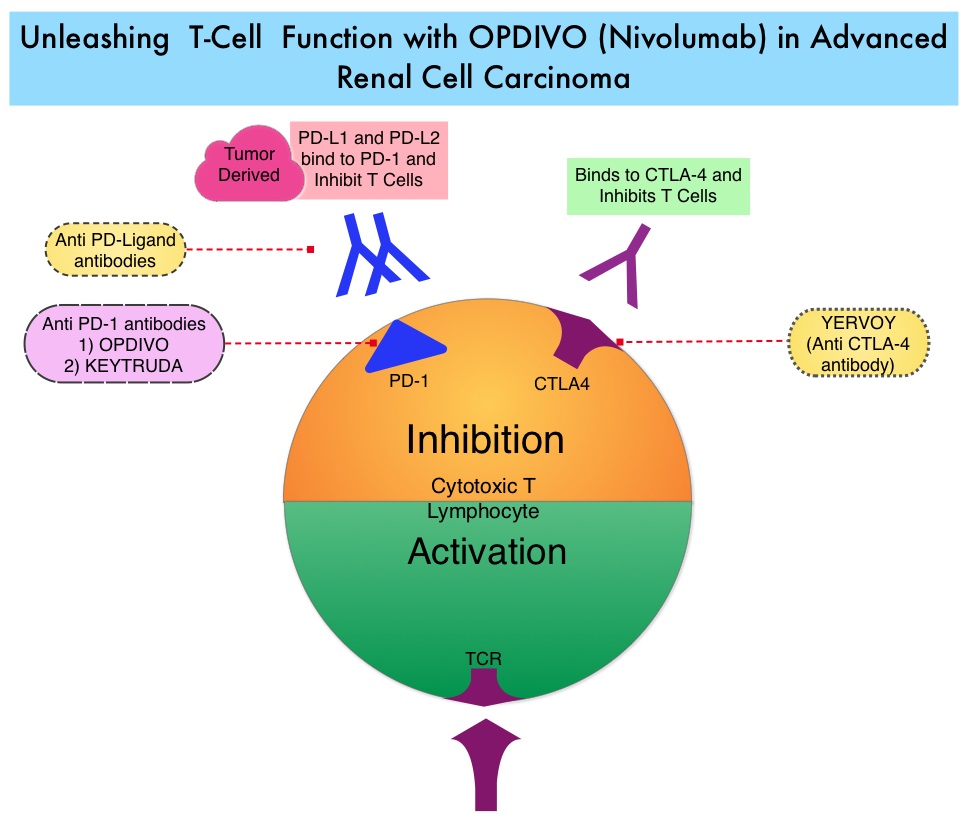
SUMMARY: The FDA on November 23, 2015 approved OPDIVO® (Nivolumab) for the treatment of advanced Renal Cell Carcinoma in patients who have received prior anti-angiogenic therapy. The American Cancer Society estimates that about 61,560 new cases of kidney cancer will be diagnosed in the United States in 2015 and over 14,000 patients will die from this disease. The understanding of the Immune checkpoints has lead to the development of novel immunotherapies. Immune checkpoints or gate keepers are cell surface inhibitory proteins/receptors that are expressed on activated T cells. They harness the immune system and prevent uncontrolled immune reactions. Survival of cancer cells may be related to their ability to escape immune surveillance, by inhibiting T lymphocyte activation. With the recognition of Immune checkpoint proteins and their role in suppressing antitumor immunity, antibodies have been developed that target the membrane bound inhibitory Immune checkpoint proteins/receptors such as PD-1(Programmed cell Death-1), etc. Following inhibition of PD-1 by specific antibodies, T cells are unleashed, resulting in T cell proliferation and activation with subsequent therapeutic responses. OPDIVO® (Nivolumab) is a fully human, immunoglobulin G4 monoclonal antibody that binds to the PD-1 receptor and blocks its interaction with PD-L1 and PD-L2, thereby undoing PD-1 pathway-mediated inhibition of the immune response and unleashing the T cells. OPDIVO® in previously reported studies demonstrated an Objective Response Rate (ORR) of 20-22% and an Overall Survival (OS) of 18-25 months in previously treated patient with metastatic Renal Cell Carcinoma. AFINITOR® (Everolimus) is an inhibitor of mTOR (Mammalian Target of Rapamycin), which is a serine/threonine kinase. With the inhibition of mTOR, protein synthesis is down regulated resulting in decreased angiogenesis, cell proliferation and survival. AFINITOR® is presently indicated for the treatment of patients with advanced Renal Cell Carcinoma after failure, following treatment with SUTENT® (Sunitinib) or NEXAVAR® (Sorafenib) and has demonstrated improved median Progression Free Survival compared to placebo.

The FDA approval of OPDIVO® for Renal Cell Carcinoma (RCC), was based on a randomized, open-label, phase III study, in which 821 previously treated patients with advanced clear cell RCC, were randomly assigned in a 1:1 ratio to receive either OPDIVO® (N=410) or AFINITOR® (N=411). Treatment consisted of OPDIVO® 3 mg/kg IV every 2 weeks or AFINITOR® 10 mg PO daily. Enrolled patients had received prior treatment with one or two regimens of anti-angiogenic therapy which included SUTENT® (Sunitinib), VOTRIENT® (Pazopanib) and INLYTA® (Axitinib). The median age was 62 years. The primary end point was Overall Survival and secondary end points included Objective Response Rate and safety.

It was noted that the median Overall Survival in the OPDIVO® group was 25 months and 19.6 months in the AFINITOR® group, and this meant a 27% reduction in the risk of death with OPDIVO® (HR=0.73; P=0.002). This survival benefit was noted regardless of the PD-L1 expression level of the patient’s kidney tumors. The Objective Response Rate was greater with OPDIVO® compared with AFINITOR® (25% vs 5%; P<0.001) and the median Progression Free Survival was 4.6 months with OPDIVO® and 4.4 months with AFINITOR® (HR=0.88; P=0.11). Treatment related grade 3 or 4 adverse events occurred in 19% of the patients receiving OPDIVO® and in 37% of the patients receiving AFINITOR®.

The authors concluded that OPDIVO® significantly improved Overall Survival in patients with previously treated metastatic Renal Cell Carcinoma and is one of the few therapies with survival benefit, in this patient population. Nivolumab versus Everolimus in Advanced Renal-Cell Carcinoma. Motzer RJ, Escudier B, Dermott DF, et al. for the CheckMate 025 Investigators. N Engl J Med 2015; 373:1803-1813

FDA Approves First Oral Triplet Combination (NINLARO®, REVLIMID® and Dexamethasone) for Multiple Myeloma

SUMMARY: The FDA on November 20, 2015, approved NINLARO® (Ixazomib) in combination with REVLIMID® (Lenalidomide) and Dexamethasone for the treatment of patients with Multiple Myeloma who have received at least one prior therapy. Multiple Myeloma is a clonal disorder of plasma cells in the bone marrow and the American Cancer Society estimates that in the United States, close to 27,000 new cases will be diagnosed in 2015 and 11,240 will die of the disease. Proteasomes are enzymes found in cells and they enable the breakdown of abnormal or mutant proteins. The amino acids from these proteins are recycled to make new proteins. Myeloma cells depend on the proteasomes to facilitate this metabolic function, to regulate their growth and survival. NINLARO® (Ixazomib) unlike VELCADE® (Bortezomib), is a second generation, oral, proteasome inhibitor, which disrupts protein metabolism in Myeloma cells, by inhibiting proteasomes and has an antiproliferative and pro-apoptotic effect.

The approval of NINLARO® was based a pivotal, multicenter, randomized, double-blind, placebo-controlled, phase III trial (TOURMALINE-MM1 study), in which 722 patients with Multiple Myeloma were randomized in a 1:1 ratio to receive either a combination of NINLARO®, REVLIMID® and Dexamethasone (N=360) or a combination of Placebo, REVLIMID® and Dexamethasone (n=362). NINLARO® was administered at 4 mg PO on days 1, 8, and 15 in combination with REVLIMID® 25 mg PO on days 1 thru 21 and Dexamethasone 40 mg PO on days 1, 8, 15, and 22 of a 28 day treatment cycle. Treatment was continued until disease progression or unacceptable toxicity. Enrolled patients had received 1 to 3 prior lines of therapy, which included VELCADE® (69%), THALOMID® (45%), and REVLIMID® (12%) and 77% of the patients had relapsed Multiple Myeloma. The median age of patients was 66 years. The primary end point of the study was Progression Free survival (PFS) and secondary endpoints included Objective Response Rate (ORR), safety, and Overall Survival.

At a prespecified interim analysis, the median PFS with the combination arm of NINLARO®, REVLIMID® and Dexamethasone was 20.6 months compared with 14.7 months for the combination group of Placebo, REVLIMID® and Dexamethasone (HR= 0.74, P=0.012).Secondary end points data was not mature at the time of this analysis. Patients in the NINLARO® group experienced more adverse events which included cytopenias, vomiting, diarrhea, peripheral neuropathy and skin rash.

The authors concluded that NINLARO® based oral triplet therapy significantly prolonged Progression Free Survival compared with REVLIMID® and Dexamethasone, with acceptable toxicities. Studies are underway, evaluating NINLARO® in newly diagnosed Myeloma patients as well as maintenance therapy in non-transplant patients. Ixazomib, an Investigational Oral Proteasome Inhibitor (PI), in Combination with Lenalidomide and Dexamethasone (IRd), Significantly Extends Progression-Free Survival (PFS) for Patients (Pts) with Relapsed and/or Refractory Multiple Myeloma (RRMM): The Phase 3 Tourmaline-MM1 Study (NCT01564537). Moreau P, Masszi T, Grzasko N, et al. 2015 ASH Annual Meeting; Orlando, FL; December 5-8, 2015. Abstract 727.

OPDIVO® (Nivolumab)

The FDA on October 9, 2015 approved OPDIVO® for the treatment of patients with metastatic Non Small Cell Lung Cancer (NSCLC), with progression on or after Platinum-based chemotherapy. Patients with EGFR or ALK genomic tumor aberrations should have disease progression on FDA-approved therapy for these aberrations, prior to receiving OPDIVO®. OPDIVO® Injection is a product of Bristol-Myers Squibb Company.

FDA Approves TAGRISSO®, a Third Generation TKI, for EGFR T790M-Positive Non Small Cell Lung Cancer

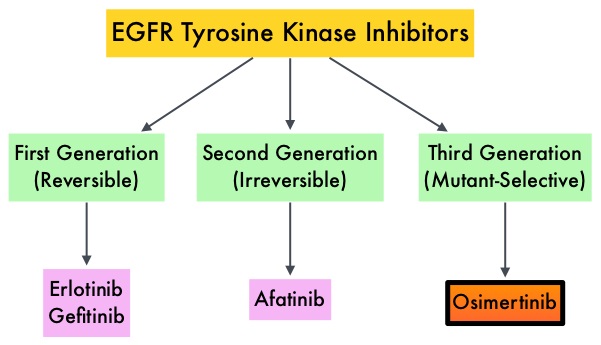
SUMMARY: The U.S. FDA granted accelerated approval to TAGRISSO® (Osimertinib), for the treatment of patients with metastatic Epidermal Growth Factor Receptor (EGFR) T790M mutation-positive Non Small Cell Lung Cancer (NSCLC), as detected by an FDA-approved test, who had progressed on or after EGFR Tyrosine Kinase Inhibitor (TKI) therapy. Lung cancer is the second most common cancer in both men and women and accounts for about 13% of all new cancers and 27% of all cancer deaths. It is the leading cause of cancer death among both men and women. The American Cancer Society estimates that over 221,200 new cases of lung cancer will be diagnosed in the United States in 2015 and over 158,000 patients will die of the disease. Non Small Cell Lung Cancer (NSCLC) accounts for approximately 85% of all lung cancers. Of the three main subtypes of Non Small Cell Lung Cancer (NSCLC), 30% are Squamous Cell Carcinomas (SCC), 40% are Adenocarcinomas and 10% are Large cell carcinomas. With changes in the cigarette composition and decline in tobacco consumption over the past several decades, Adenocarcinoma now is the most frequent histologic subtype of lung cancer. Approximately 10% to 15% of Caucasian patients and 50% of Asian patients with Adenocarcinomas, harbor activating EGFR (Epidermal Growth Factor Receptor) mutations and 90% of these mutations are either Exon 19 deletions or L858R point mutations in Exon 21. EGFR Tyrosine Kinase Inhibitors (TKIs) such as TARCEVA® (Erlotinib), IRESSA® (Gefitinib) and GILOTRIF® (Afatinib), have demonstrated a 60% to 70% response rate as monotherapy when administered as first line treatment, in patients with metastatic NSCLC, who harbor the sensitizing EGFR mutations. However, majority of these patients experience disease progression within 9 to 14 months. This resistance to frontline EGFR TKI therapy has been attributed to acquired T790M “gatekeeper” point mutation in EGFR, identified in 50% – 60% of patients. The approval of TAGRISSO® was based on two multicenter, single arm, open label clinical trials (AURA and AURA2), in patients with metastatic EGFR T790M mutation-positive NSCLC, who had progressed on prior systemic therapy, including an EGFR TKI.

In the AURA dose escalation/expansion study (Study 1), 201 patients with EGFR mutation-positive advanced NSCLC received TAGRISSO® 80 mg PO daily until disease progression. Tumor samples were taken from all patients after disease progression on the most recent line of therapy, for prospective confirmation of T790M positive status by central laboratory testing, before enrollment. The median age was 62 years. The primary endpoint was Objective Response Rate (ORR) and secondary endpoints included Disease Control Rate (DCR), duration of response (DoR) and Progression Free Survival (PFS). The ORR in an updated analysis at the 2015 WCLC was 61% and DCR was 92%. The ORRs were similar across all lines of therapy, ie. Second line vs third line or more. The median DoR and median PFS have not been reached.

In the AURA2 Phase II study, 210 patients with locally advanced or metastatic NSCLC received TAGRISSO® 80 mg PO daily until disease progression. All eligible patients progressed on a previous EGFR TKI treatment and had a mandatory tumor sample taken after disease progression on the most recent line of therapy, for confirmation of T790M positive status by central laboratory testing. The median age was 64 years. The primary endpoint was Objective Response Rate (ORR) and secondary end points included Disease Control Rate (DCR), Duration of Response (DoR), Progression Free Survival (PFS), and safety. The ORR in an updated analysis presented at the 2015 WCLC was 71%, with 2 complete responses. The stable disease rate at 6 weeks or more was 21%, for a Disease Control Rate of 92%. The median Duration of Response was 7.8 months. The median Progression Free Survival (PFS) was 8.6 months.

Grade 1-2 toxicities from these two trials, which included a total of 411 patients included diarrhea, rash, dry skin, nail toxicity, eye disorders, nausea, decreased appetite and constipation. From these two studies it was concluded that TAGRISSO® is a new treatment option for patients who test positive for the EGFR resistance mutation, T790M, with significant response rates noted in over 50% of the treated patients. AZD9291 in pre-treated T790M positive advanced NSCLC: AURA2 Phase II study. Mitsudomi T, Tsai C, Shepherd F, et al. Presented at: 16th World Conference on Lung Cancer; September 6-9; Denver, CO. Abstract 1406.