FDA Approves KEYTRUDA® for Adjuvant Treatment of Melanoma

SUMMARY: The FDA on February 15, 2019, approved KEYTRUDA® (Pembrolizumab) for the adjuvant treatment of patients with Melanoma with involvement of lymph node(s) following complete resection. It is estimated that in the US, approximately 96,480 new cases of Melanoma will be diagnosed in 2019 and about 7,230 patients are expected to die of the disease. The incidence of Melanoma has been on the rise for the past three decades. Surgical resection with a curative intent is the standard of care for patients with early stage Melanoma, with a 5-year survival rate of 98% for stage I disease and 90% for stage II disease. Stage III malignant Melanoma however is a heterogeneous disease, and the risk of recurrence is dependent on the number of positive nodes, as well as presence of palpable versus microscopic nodal disease. Further, patients with a metastatic focus of more than 1 mm in greatest dimension in the affected lymph node, have a significantly higher risk of recurrence or death than those with a metastasis of 1 mm or less. Patients with Stage IIIA disease have a disease-specific survival rate of 78% whereas those patients with Stage IIIB and Stage IIIC disease have disease-specific survival rates of 59% and 40% respectively. Several agents are presently approved by the FDA for the adjuvant treatment of high-risk Melanoma and they include YERVOY® (Ipilimumab), OPDIVO® (Nivolumab), TAFINLAR® (Dabrafenib) and MEKINIST® (Trametinib) for BRAF-mutant Melanoma and Interferon alfa. Unleashing-T-Cell-Function-with-Combination-Immunotherapy
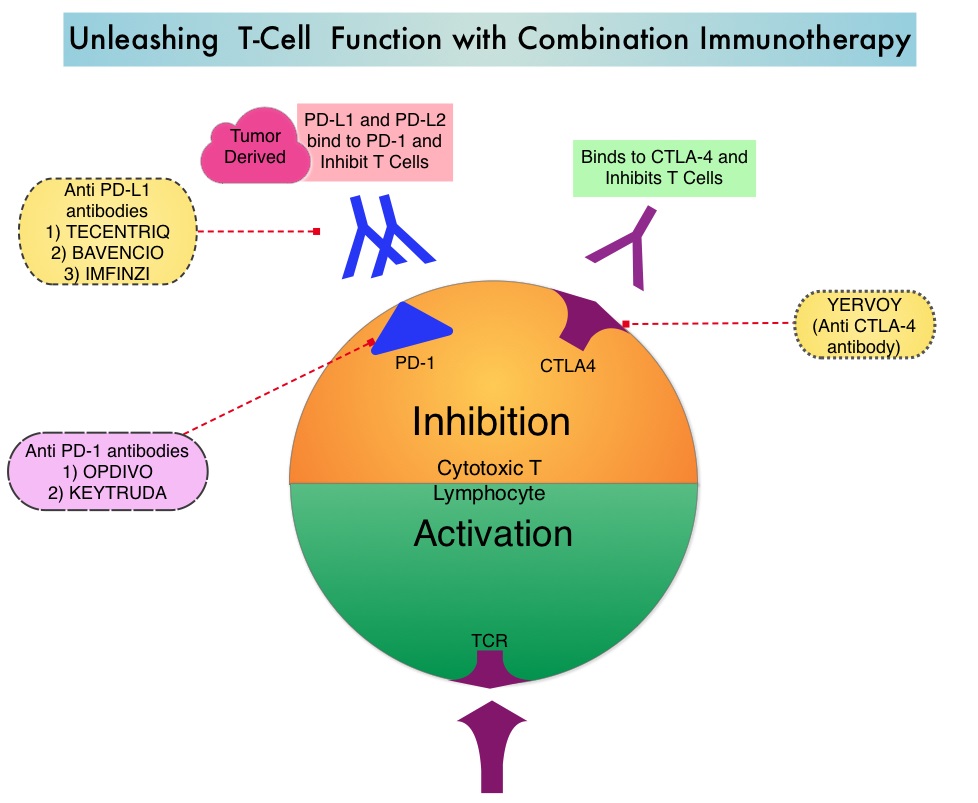
KEYTRUDA® is a fully humanized, Immunoglobulin G4, anti-PD-1, monoclonal antibody, that binds to the PD-1 receptor and blocks its interaction with ligands PD-L1 and PD-L2. By doing so, it unleashes the tumor-specific effector T cells, and is thereby able to undo PD-1 pathway-mediated inhibition of the immune response.

The present FDA approval was based on the European Organization for Research and Treatment of Cancer (EORTC) 1325/(KEYNOTE-054) trial which is a randomized, double-blind, placebo-controlled Phase III study which involved high-risk patient population of patients with Stage III Melanoma. This study included 1019 patients with completely resected, Stage IIIA (more than 1 mm lymph node metastasis), IIIB or IIIC Melanoma. Patients were randomly assigned 1:1 to receive KEYTRUDA® 200 mg IV every three weeks (N=514) or placebo (N=505), as adjuvant therapy, for a total of 18 doses (approximately 1 year) or until disease recurrence or unacceptable toxicity. Enrolled patients required complete resection of Melanoma with negative margins and lymph node dissection. Patients with mucosal or ocular Melanoma were excluded. The Primary end points were Recurrence-Free Survival (RFS) in the overall intention-to-treat population and in the subgroup of patients with cancer that was positive for the PD-L1, as well as Safety.

At a median follow up of 15 months, KEYTRUDA® was associated with significantly longer Recurrence-Free Survival (RFS) compared to placebo in the overall intent-to-treat population, with a 1-year RFS rate of 75.4% versus 61.0% respectively (HR for recurrence or death=0.57; P<0.001). This suggested that the risk of recurrence or death in the total population was 43% lower in the KEYTRUDA® group than in the placebo group. Patients receiving KEYTRUDA® experienced fewer recurrences/deaths, 26% compared with 43% in the placebo group. The RFS benefit with KEYTRUDA® compared with placebo was observed regardless of tumor PD-L1 expression. In the subgroup of 853 patients with PD-L1-positive tumors, the 1-year RFS rate was 77.1% in the KEYTRUDA® group and 62.6% in the placebo group (HR=0.54; P<0.001). This suggested that the risk was 46% lower in the KEYTRUDA® group than in the placebo group, among patients with PD-L1-positive tumors. KEYTRUDA® was also consistently effective in patients with PD-L1-negative tumors and in those with undetermined tumor PD-L1 expression The Median RFS was 20.4 months in the placebo arm and not reached for those receiving KEYTRUDA®. The most common adverse reactions were rash, asthenia, influenza-like illness, diarrhea, pruritus, nausea, arthralgia and hypothyroidism.

It was concluded that KEYTRUDA® as adjuvant therapy for high-risk Stage III Melanoma, resulted in significantly longer Recurrence-Free Survival than placebo, with no new toxic effects identified. Adjuvant Pembrolizumab versus Placebo in Resected Stage III Melanoma. Eggermont AM, Blank CU, Mandala M, et al. N Engl J Med 2018;378:1789-1801
Late Breaking Abstract – ESMO 2018 Frontline KEYTRUDA® Improves Overall Survival in Advanced Head and Neck Cancer

SUMMARY: The American Cancer Society estimates that 65,410 people will be diagnosed with Head and Neck cancer in 2019 and 14,620 patients will die of the disease. Patients with Recurrent/Metastatic Squamous Cell Carcinoma of the Head and Neck have a poor prognosis with a short median Overall Survival. The treatment paradigm for Head and Neck cancer has been rapidly evolving with the recognition and better understanding of immune evasion and the role of Immune checkpoints or gate keepers in suppressing antitumor immunity. Blocking the Immune checkpoints unleashes the T cells, resulting in T cell proliferation, activation and a therapeutic response. KEYTRUDA® (Pembrolizumab) is a fully humanized, Immunoglobulin G4, monoclonal antibody, that binds to the PD-1 receptor and blocks its interaction with ligands PD-L1 and PD-L2, thereby undoing PD-1 pathway-mediated inhibition of the immune response and unleashing the tumor-specific effector T cells.

KEYNOTE-048 is an open-label, three arm, randomized, phase III trial, in which KEYTRUDA® monotherapy and KEYTRUDA® plus chemotherapy was compared to ERBITUX® (Cetuximab) plus chemotherapy, as first-line systemic therapy, among patients with Recurrent/Metastatic Head and Neck Squamous Cell Carcinoma. A total 882 patients were randomized in a 1:1:1 ratio to receive either KEYTRUDA® 200 mg IV every 3 weeks for 24 months (N=301), KEYTRUDA® 200 mg IV every 3 weeks for 24 months plus Cisplatin 100 mg/m2 IV or Carboplatin AUC 5 IV (investigator’s choice) on day 1, along with 5-FU 1,000 mg/m2/day IV, days 1-4 of each 3-week cycle, for a maximum of 6 cycles (N=281) or the control arm (EXTREME) consisting of ERBITUX® 400 mg/m2 loading dose followed by 250 mg/m2 weekly, plus Cisplatin 100 mg/m2 or Carboplatin AUC 5 IV on day 1 along with 5-FU 1000 mg/m2/day IV, days 1-4 of each 3-week cycle, for a maximum of 6 cycles (N=300).

Enrolled patients had Recurrent or Metatastic Squamous Cell Carcinoma of the Oral cavity, Oropharynx, Hypopharynx or Larynx, and had not received prior systemic therapy for their recurrent or metastatic disease. Patients were stratified by PD-L1 expression, HPV p16 status, and ECOG Performance Status. PD-L1 expression was measured using the Combined Positive Score (CPS) and Tumor Proportion Score and a CPS of 20 or more indicated high PD-L1 expression, whereas a CPS of 1 or more was the lower threshold of positivity. (CPS measures high PD-L1 expression in the tumor and surrounding immune cells, whereas TPS only captures PD-L1 expression on tumor cells). Approximately 21% of patients were positive for Human Papillomavirus Virus (HPV) p16.

In this analysis, the authors compared the outcomes with KEYTRUDA® alone versus EXTREME (ERBITUX® plus chemo combination) in patients stratified for PD-L1 expression as well as KEYTRUDA® plus chemotherapy versus ERBITUX® plus chemotherapy in all patients with any PD-L1 status. The Primary endpoints were Progression Free Survival (PFS) and Overall Survival (OS) in patients with a PD-L1 CPS of 20 or more and CPS of 1 or more in all enrolled patients. The Secondary endpoints of the study were PFS at 6 months and 12 months, Objective Response Rate (ORR), and time to deterioration in Quality of Life. The minimum follow up was about 17 months.

It was noted that in patients with PD-L1 CPS of 20 or more (high expressors, N=255), single agent KEYTRUDA® was superior to ERBITUX® combination, with a median OS of 14.9 months in patients who received single agent KEYTRUDA® versus 10.7 months in patients who received ERBITUX® with combination chemotherapy (HR=0.61; P=0.0007). There was however no difference in PFS in this PD-L1 subset between the 2 treatment groups (HR=0.99; P=0.5). Similar benefit was seen for patients with a PD-L1 CPS of 1 or more subset (low expressors, N= 512), in which the median OS for KEYTRUDA® monotherapy versus ERBITUX® plus chemotherapy was 12.3 months versus 10.3 months respectively (HR=0.78; P=0.0086). The OS for KEYTRUDA® monotherapy was noninferior to ERBITUX® plus chemotherapy in the total population of patients (N=601). The ORRs were 23% and 36%, with single agent KEYTRUDA® and ERBITUX® combination respectively, in the high expressor subgroup and 19% and 35%, respectively in the low expressor subgroup. However, the median Duration of Response was almost 5 times longer with KEYTRUDA® monotherapy compared to ERBITUX® combination.

When KEYTRUDA® plus chemotherapy was compared with ERBITUX® plus chemotherapy, KEYTRUDA® combination was non-inferior and in fact was superior to ERBITUX® combination for OS in the total population (N = 559), with a median OS of 13.0 versus 10.7 months respectively (HR=0.77; P=0.0034).

It was concluded that among patients with Recurrent/Metastatic Head and Neck Squamous Cell Carcinoma, KEYTRUDA® monotherapy significantly improved Overall Survival compared to ERBITUX® plus chemotherapy in patients with PD-L1 Combined Positive Score of 1 or more. Additionally, KEYTRUDA® plus chemotherapy significantly improved Overall Survival in the total patient population, compared to ERBITUX® plus chemotherapy. Responses associated with single agent KEYTRUDA® and KEYTRUDA® chemotherapy combination, were durable. These data support KEYTRUDA®, as well as KEYTRUDA® plus platinum and 5-FU as the new first-line standards of care for this patient group. KEYNOTE-048: Phase 3 study of first-line pembrolizumab (P) for recurrent/metastatic head and neck squamous cell carcinoma (R/M HNSCC). Burtness B, Harrington KJ, Greil R, et al. Proceedings from the 2018 ESMO Congress: October 19-23, 2018; Munich, Germany. Abstract LBA8_PR.

Late Breaking Abstract – ESMO 2018 First Line BAVENCIO® plus INLYTA® Highly Effective in Advanced Renal Cell Carcinoma

SUMMARY: The American Cancer Society estimates that 73,820 new cases of kidney and renal pelvis cancers will be diagnosed in the United States in 2019 and about 14,770 people will die from the disease. Renal Cell Carcinoma (RCC) is by far the most common type of kidney cancer and is about twice as common in men as in women. Modifiable risk factors include smoking, obesity, workplace exposure to certain substances and high blood pressure. The five year survival of patients with advanced RCC is less than 10% and there is significant unmet need for improved therapies for this disease. SUTENT® (Sunitinib) is a MultiKinase Inhibitor (MKI) which simultaneously targets the tumor cell wall, vascular endothelial cell wall as well as the pericyte/fibroblast/vascular/ smooth vessel cell wall and is capable of specifically binding to tyrosine kinases, inhibiting the earlier signaling events and thereby inhibits phosphorylation of VEGF receptor, PDGF receptor, FLT-3 and c-KIT. SUTENT® is the standard first-line intervention for treatment naïve patients with advanced RCC. In a large, multi-center, randomized, phase III study, the median Progression Free Survival (PFS) with SUTENT® was 9.5 months, the Objective Response Rate (ORR) was 25%, and the median Overall Survival was 29.3 months, when compared with Interferon Alfa, in patients with treatment-naïve Renal Cell Carcinoma. This was however associated with a high rate of hematological toxicities.International-Metastatic-RCC-Database-Consortium-(IMDC)

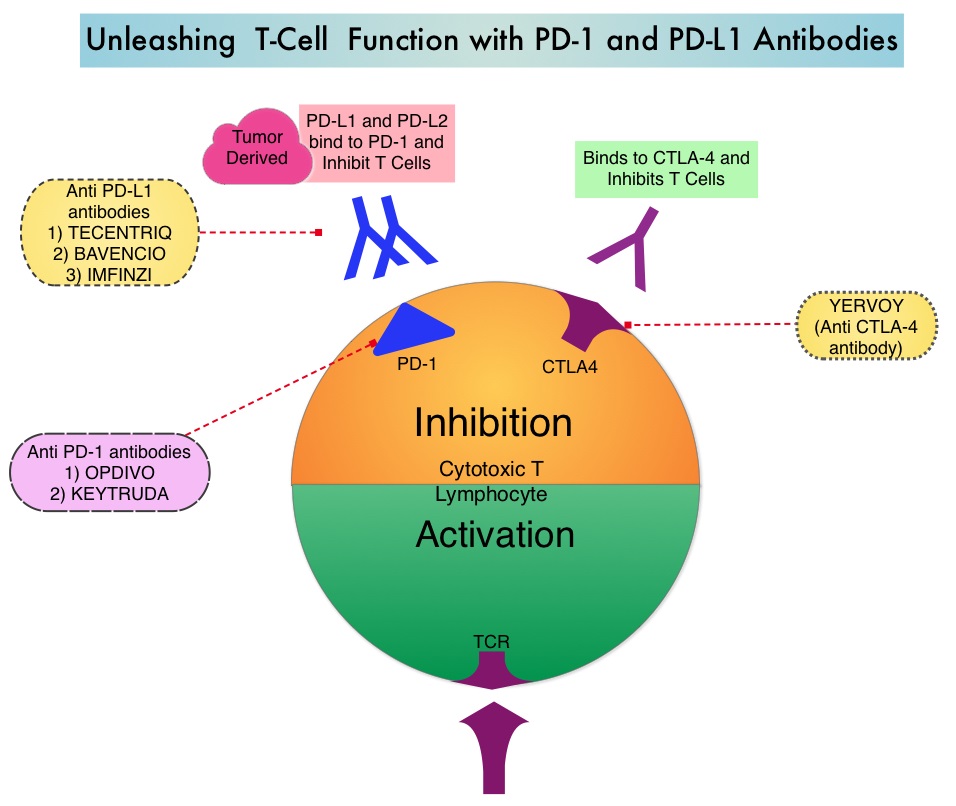
BAVENCIO® (Avelumab) is a human, immunoglobulin G1 lambda, PD-L1 targeted monoclonal antibody that binds to PD-L1 and blocks the interaction between PD-L1 and its receptors PD-1. This in turn negates the inhibitory effects of PD-L1 on the immune response by unleashing the immune system and restoring antitumor immune responses. In addition, BAVENCIO® induces Antibody Dependent Cell-mediated Cytotoxicity (ADCC). INLYTA® (Axitinib) is a kinase inhibitor and inhibits receptor tyrosine kinases including Vascular Endothelial Growth Factor Receptors (VEGFR)-1, VEGFR-2, and VEGFR-3. These receptors have been implicated in pathologic angiogenesis, tumor growth, and cancer progression. INLYTA® is approved by the FDA for the treatment of advanced Renal Cell Carcinoma (RCC) after failure of one prior systemic therapy. The rationale behind combining these two agents was that BAVENCIO® stimulates the immune system while INLYTA® inhibits tumor neoangiogenesis by preventing VEGF activity. Preclinical data suggested that combining these two agents is effective, as their mechanisms of action complement each other. A combination of BAVENCIO® and INLYTA® also showed encouraging antitumor activity among patients with advanced RCC in a phase 1b trial.Unleashing-T-Cell-Function-with-PD-1-and-PD-L1-Antibodies

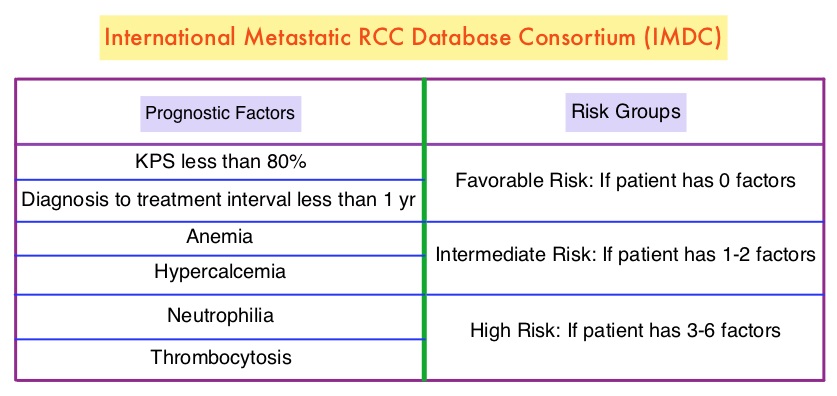
JAVELIN Renal 101 is a global, randomized phase III trial in which 886 patients with clear cell advanced Renal Cell Carcinoma who had no prior systemic therapy, were randomly assigned in a 1:1 to receive BAVENCIO® 10 mg/kg IV every 2 weeks along with INLYTA® 5 mg orally twice daily, in 6 week cycles (N=442) or SUTENT® 50 mg orally daily, 4 weeks on followed by 2 weeks off (N=444). This study included all MSKCC (Memorial Sloan Kettering Cancer Center) prognostic subgroups (good, intermediate, and poor risk). According to the IMDC (International Metastatic RCC Database Consortium), 21% were in the favorable risk group, 62% were in the Intermediate risk group and 16% were in the poor risk group. Among the enrolled patients, 63.2% (N=560) patients were PD-L1positive (1% or more positive immune cells) of whom 270 patients received the BAVENCIO® and INLYTA® combination whereas 290 patients received SUTENT®. The Primary endpoints were Progression Free Survival (PFS) and Overall Survival (OS) in the PD-L1 positive group and Secondary endpoints included PFS and OS irrespective of PD-L1 expression, Objective Response Rate (ORR) and Safety.

It was noted that in the patient group with PD-L1 positive tumors, the median PFS was 13.8 months in the combination group compared to 7.2 months in the single agent SUTENT® group (HR=0.61; P<0.0001). The median PFS in patients irrespective of PD-L1 expression was 13.8 months with the combination treatment compared to 8.4 months with SUTENT® (HR=0.69; P=0.0001). The confirmed Objective Response Rate (ORR) among those with PD-L1 positive tumors was 55.2% in the combination group and 25.5% in the SUTENT® group. The benefit with combination treatment was noted in all prognostic risk groups. The OS data were immature at the time of data cutoff. Grade 3 or more treatment related adverse events were similar in both treatment groups and led to discontinuation of drug in 22.8% of patients in the combination group versus 13.4% in the SUTENT® group.

It was concluded that a combination of BAVENCIO® given along with INLYTA® significantly improved Progression Free Survival as well as Objective Response Rate, irrespective of PD-L1 expression, and across all prognostic risk groups. The authors added that these results support this combination as a potential new first line standard of care for patients with advanced Renal Cell Carcinoma. JAVELIN Renal 101: a randomized, phase III study of avelumab + axitinib vs sunitinib as first-line treatment of advanced renal cell carcinoma (aRCC). Motzer RJ, Penkov K, Hannen JBAG, et al. Proceedings from the 2018 ESMO Congress; October 19-23, 2018; Munich, Germany. Abstract LBA6_PR.