
The FDA on January 27, 2026, approved DARZALEX FASPRO® in combination with Bortezomib, Lenalidomide, and Dexamethasone (VRd) for adults with newly diagnosed multiple myeloma who are ineligible for Autologous Stem Cell Transplant (ASCT). DARZALEX FASPRO® is a product of Janssen Biotech, Inc.
Author: RR
Late Breaking Abstract – ASCO 2026: Sunvozertinib Demonstrates Superior First-Line Efficacy in EGFR Exon 20 Insertion–Positive Advanced NSCLC
SUMMARY: The American Cancer Society estimates that for 2026, about 229,410 new cases of lung cancer will be diagnosed and 124,990 patients will die of the disease. Lung cancer is the leading cause of cancer-related mortality in the United States. Non-Small Cell Lung Cancer (NSCLC) accounts for approximately 85% of all lung cancers and adenocarcinoma is now the most frequent histologic subtype of lung cancer.
Approximately 10-15% of Caucasian patients and 35-50% of Asian patients with adenocarcinomas, harbor activating EGFR (Epidermal Growth Factor Receptor) mutations, and 90% of these mutations are either exon 19 deletions or L858R substitution mutation in exon 21. EGFR exon 20 insertion mutations are the third most common after L858R and exon 19 deletions and occur in about 2-3% of all patients with NSCLC and up to 12% of EGFR-mutated NSCLC . These mutations are also enriched in women, non-smokers, Asian populations, and those with adenocarcinoma.These highly heterogeneous group of mutations are typically associated with limited sensitivity to conventional EGFR Tyrosine Kinase Inhibitors (TKIs) due to an altered conformation of the kinase active site. Next-Generation sequencing provides an alternative to Polymerase Chain Reaction (PCR)-based tests, which fail to identify 50% or more of exon 20 insertion mutations. Patients with EGFR exon 20 insertion mutations have a 5-year Overall Survival (OS) of 8% in the frontline setting, compared to an OS of 19% for patients with EGFR exon 19 deletions or L858R mutations. Further, the use of immunotherapy is detrimental in this patient population and there is therefore a clinically unmet need for this patient group.
The treatment landscape for patients with advanced NSCLC harboring EGFR exon 20 insertion (ex20ins) mutations continues to evolve, with emerging targeted therapies offering new opportunities to improve outcomes in this historically challenging patient population.
Sunvozertinib (ZEGFROVY®), a novel oral, selective, and irreversible EGFR TKI specifically designed to target EGFR exon 20 insertion mutations, has already received regulatory approval in the United States and China for previously treated patients whose disease progressed following platinum-based chemotherapy. Building on encouraging efficacy observed in the pivotal WU-KONG1B and WU-KONG6 studies, the global Phase 3 WU-KONG28 trial evaluated whether Sunvozertinib could improve outcomes when used as first-line therapy.
WU-KONG28: Evaluating a Chemotherapy-Free First-Line Approach
WU-KONG28 (NCT05668988) is a multinational, randomized Phase 3 study, comparing Sunvozertinib with standard platinum-based chemotherapy, in treatment-naïve patients with advanced nonsquamous NSCLC harboring EGFR exon 20 insertion mutations.
A total of 324 patients were randomized 1:1 to receive either oral Sunvozertinib 300 mg once daily (N=163) until disease progression, or Carboplatin plus Pemetrexed chemotherapy (N=161) administered every three weeks for up to six cycles, followed by Pemetrexed maintenance. Patients assigned to chemotherapy were permitted to cross over to Sunvozertinib following centrally confirmed disease progression. The Primary endpoint was Progression-Free Survival (PFS) assessed by Blinded Independent Central Review (BICR), while key Secondary endpoints included Overall Survival (OS), Objective Response Rate (ORR), Duration of Response (DoR), and Safety.
Significant Improvement in Progression-Free Survival
At the January 16, 2026 data cutoff, Sunvozertinib demonstrated a statistically significant and clinically meaningful improvement in PFS compared with chemotherapy. Median PFS reached 10.3 months with Sunvozertinib versus 7.5 months with chemotherapy, corresponding to a 35% reduction in the risk of disease progression or death (HR 0.65; 95% CI, 0.50–0.85; P=0.0008).
Notably, separation of the PFS curves occurred early, suggesting rapid disease control with targeted therapy. At 12 months, 46.1% of patients receiving Sunvozertinib remained progression-free compared with 26.7% of patients treated with chemotherapy. The PFS advantage was generally consistent across analyzed patient subgroups.
Higher Response Rates and More Durable Tumor Control
Beyond prolonging PFS, Sunvozertinib achieved substantially deeper and more durable responses. The confirmed ORR was 58.9% with Sunvozertinib compared with 31.1% with chemotherapy. Patients receiving Sunvozertinib also experienced greater tumor shrinkage, with a median best percentage reduction in target lesions of 42.1% versus 24.7% in the chemotherapy arm.
Response durability further favored the targeted agent, with a median DoR of 11.2 months compared with 7.1 months for chemotherapy. These findings reinforce earlier clinical observations that Sunvozertinib provides robust antitumor activity across a broad spectrum of EGFR exon 20 insertion subtypes.
Overall Survival Data Still Maturing
Overall Survival analyses remain immature, with data maturity at 38.9% at the time of analysis. Interpretation of future OS results may be influenced by the study’s crossover design, as more than 90% of chemotherapy-treated patients with confirmed disease progression subsequently crossed over to receive Sunvozertinib.
While longer follow-up is needed to determine whether the PFS and response advantages translate into an Overall Survival benefit, the current efficacy results strongly support the clinical activity of Sunvozertinib in the frontline setting.
Manageable Safety Profile Supports Long-Term Use
The safety profile observed in WU-KONG28 was consistent with previous studies of Sunvozertinib. Grade 3 or higher adverse events occurred in 75.5% of patients receiving Sunvozertinib compared with 56.7% of patients receiving chemotherapy. The most frequently reported high-grade toxicities included elevated serum creatine kinase levels, diarrhea, and anemia.
Importantly, treatment discontinuation due to drug-related adverse events occurred in only 7.4% of patients, and no treatment-related deaths were reported. Severe rash was uncommon, and although grade 3 or higher diarrhea occurred in approximately 13.5% of patients, these events were generally manageable through proactive monitoring, supportive care, and dose modifications. The majority of patients were able to maintain treatment, reflected by a median relative dose intensity of 95%.
Implications for Clinical Practice
Historically, treatment options for EGFR exon 20 insertion-positive NSCLC have been limited, with platinum-based chemotherapy delivering modest response rates and relatively short progression-free survival. While the addition of targeted antibodies such as Amivantamab has improved outcomes, these approaches still rely on intravenous chemotherapy-based regimens.
The WU-KONG28 results position Sunvozertinib as a compelling chemotherapy-free alternative. As an oral targeted therapy, Sunvozertinib offers the potential for improved convenience and quality of life while delivering superior efficacy compared with standard platinum-doublet chemotherapy.
Looking Ahead
The WU-KONG28 trial represents a significant milestone in the treatment of EGFR exon 20 insertion-positive NSCLC. Sunvozertinib demonstrated superior Progression-Free Survival, higher response rates, greater tumor shrinkage, and longer response durability compared with standard chemotherapy, while maintaining a manageable and predictable safety profile.
As Overall Survival data continue to mature, these findings provide strong evidence supporting Sunvozertinib as a potential new first-line standard of care for patients with advanced NSCLC harboring EGFR exon 20 insertion mutations, further advancing the shift toward personalized, targeted treatment strategies in lung cancer.
First-Line Sunvozertinib in NSCLC with EGFR Exon 20 Insertion Mutations. Zhou C, Greillier L, Liu G, et al. or the WU-KONG28 Investigators. Published May 29, 2026. DOI: 10.1056/NEJMoa2604461
Redefining First-Line Therapy in HER2-Positive Gastroesophageal Adenocarcinoma with Zanidatamab-Based Combinations
SUMMARY: The American Cancer Society estimates that in the US, about 31,510 new cases of Gastric cancer will be diagnosed in 2026 and about 10,740 people will die of the disease. It is one of the leading causes of cancer-related deaths in the world. Several hereditary syndromes such as Hereditary Diffuse Gastric Cancer (HDGC), Lynch syndrome (Hereditary Nonpolyposis Colorectal Cancer) and Familial Adenomatous Polyposis (FAP) have been associated with a predisposition for stomach cancer. Additionally, one of the strongest risk factor for Gastric adenocarcinoma is infection with Helicobacter pylori (H.pylori), which is a gram-negative, spiral-shaped microaerophilic bacterium.
Persistent Unmet Need in HER2-Positive Disease
The Human Epidermal growth factor Receptor (HER) or erbB family of receptors, consist of HER1, HER2, HER3 and HER4. Approximately 20% of patients with GastroEsophageal Adenocarcinoma (GEA), encompassing gastric, gastroesophageal junction, and esophageal adenocarcinomas, harbor HER2-positive tumors. Despite the incorporation of HER2-directed therapy into first-line management more than a decade ago, long-term outcomes remain suboptimal. With Trastuzumab (HERCEPTIN®) plus chemotherapy, median Progression-Free Survival (PFS) has historically hovered around 10 months, and median Overall Survival (OS) around 20 months.
More recently, the addition of immune checkpoint inhibition has modestly improved outcomes in selected patients. Based on KEYNOTE-811, Pembrolizumab (KEYTRUDA®) plus Trastuzumab and chemotherapy is now standard for PD-L1–positive tumors. However, early relapse, often within the first year, remains common, underscoring the need for more effective HER2-targeted strategies.
Zanidatamab: A Next-Generation HER2-Targeted Approach
Zanidatamab (ZIIHERA®) is a novel, humanized IgG1 bispecific monoclonal antibody designed to bind two non-overlapping extracellular domains of HER2 (ECD2 and ECD4). This biparatopic binding leads to enhanced HER2 receptor clustering, internalization, and downregulation, resulting in more complete inhibition of HER2 signaling compared with single-epitope antibodies. Beyond direct signal blockade, Zanidatamab’s unique binding geometry promotes robust immune-mediated antitumor activity, including Complement-Dependent Cytotoxicity (CDC), Antibody-Dependent Cellular Cytotoxicity (ADCC), and Antibody-Dependent Cellular Phagocytosis (ADCP).
Preclinical and clinical data suggest greater antibody saturation on HER2-expressing tumor cells than with Trastuzumab or Pertuzumab (PERJETA®). Zanidatamab’s clinical momentum was reinforced by its FDA accelerated approval in November 2024 for previously treated, unresectable or metastatic HER2-positive biliary tract cancer, highlighting the platform’s broader relevance across HER2-driven gastrointestinal malignancies.
Rationale for Combining HER2 Blockade and Immunotherapy
The HERIZON-GEA-01 trial explored synergy between dual HER2 targeting and immune checkpoint inhibition. Tislelizumab (TEVIMBRA®), a humanized IgG4 anti-PD-1 monoclonal antibody, is engineered to minimize Fc-gamma receptor binding on macrophages, potentially reducing antibody-dependent clearance of activated T cells. Tislelizumab received FDA approval in March 2024 for previously treated metastatic esophageal Squamous Cell Carcinoma, supporting its activity in upper gastrointestinal cancers.
HERIZON-GEA-01: Trial Design and Patient Population
HERIZON-GEA-01 (NCT05152147) is a global, open-label, Phase III study evaluating Zanidatamab-based regimens versus standard Trastuzumab plus chemotherapy in the first-line setting for HER2-positive metastatic GEA (GastroEsophageal Adenocarcinoma).
A total of 914 patients with unresectable, locally advanced, recurrent, or metastatic disease were enrolled between December 2021 and February 2025. More than two-thirds had gastric primaries. Patients had received no prior systemic therapy, HER2-targeted therapy, or immunotherapy in this setting.
Participants were randomized 1:1:1 to:
- Arm A: Trastuzumab plus chemotherapy (N=308)
- Arm B: Zanidatamab plus chemotherapy (N=304)
- Arm C: Zanidatamab plus Tislelizumab plus chemotherapy (N=302)
CAPOX was the chemotherapy backbone in approximately 90% of patients. Zanidatamab-based regimens in Arm B and Arm C were compared with standard Trastuzumab plus chemotherapy in Arm A. The median age was 63 yrs, about 53% were Asian, and 60% had PD-L1 status 1% or more. The dual Primary endpoints were Progression-Free Survival (PFS) by Blinded Independent Review and Overall Survival (OS).
Efficacy Results: Clinically Meaningful and Practice-Changing
At the interim analysis (data cutoff October 2025; median follow-up 26 months), there was a clear and consistent improvement in PFS with Zanidatamab-based therapy compared with Trastuzumab plus chemotherapy. Median PFS reached 12.4 months with Zanidatamab plus chemotherapy and 12.4 months with Zanidatamab plus Tislelizumab and chemotherapy, compared with 8.1–8.2 months in the Trastuzumab control arm. These gains translated into a 35–37% reduction in the risk of disease progression or death, with Hazard Ratios of 0.65 for Zanidatamab plus chemotherapy and 0.63 for the triplet regimen (both P<0.0001). Importantly, the separation of the PFS curves was maintained over time, highlighting the durability of benefit. The estimated 18-month PFS was 38.0% with Zanidatamab plus chemotherapy and 43.9% with the triplet, versus 20.9% with Trastuzumab-based therapy. These findings mark the first time a majority of patients receiving first-line HER2-targeted therapy remain progression-free at one year, a notable advance in a disease historically characterized by early relapse.
Median OS improved from 19.2 months with Trastuzumab plus chemotherapy to 24.4 months with Zanidatamab plus chemotherapy and 26.4 months with Zanidatamab plus Tislelizumab and chemotherapy. The addition of Tislelizumab yielded a statistically significant 28% reduction in the risk of death (HR 0.72; P =0.004). While OS data for Zanidatamab plus chemotherapy alone were not yet statistically significant at this interim analysis (HR 0.80; P =0.06), the observed survival extension of more than five months suggests meaningful clinical activity, with further analyses planned as follow-up matures. The 2-year OS was 50.3% with Zanidatamab plus chemotherapy and 54.3% with the triplet, versus 38.8% with Trastuzumab-based therapy. The 30-month OS was 42.2% and 43.8%, respectively, compared with 30.0% in the Trastuzumab group.
Notably, the triplet regimen is the first HER2-directed first-line strategy to achieve median Overall Survival exceeding two years in a randomized phase III trial. Further, the benefits in both PFS and OS were consistent across key subgroups, including geographic region and PD-L1 status, an especially notable finding given that checkpoint inhibitor benefit has traditionally been restricted to PD-L1–positive tumors.
Depth and Durability of Response
Zanidatamab-based regimens also produced deeper and more durable responses. Confirmed Objective Response Rates approached 70% in both Zanidatamab arms, with Complete Response rates nearing 20% when Tislelizumab was added. Median duration of response was particularly striking, exceeding 20 months with the triplet regimen and substantially longer than the 8-month duration observed with Trastuzumab plus chemotherapy.
Safety and Tolerability
The safety profiles of Zanidatamab and Tislelizumab were consistent with their known toxicities. Grade ≥3 treatment-related adverse events occurred in approximately 74% of patients receiving Zanidatamab plus chemotherapy and 83% with the addition of Tislelizumab, compared with 74% in the Trastuzumab arm.
Diarrhea was the most common toxicity across all arms, typically occurring early and resolving within several weeks. Rates of HER2-targeted therapy discontinuation due to adverse events were higher with Zanidatamab-based regimens but remained manageable, with no new safety signals identified.
Clinical Implications and Future Directions
HERIZON-GEA-01 represents a landmark study in HER2-positive gastroesophageal adenocarcinoma. It is the first Phase III trial to demonstrate superiority of a novel HER2-targeted agent over Trastuzumab in the first-line metastatic setting, and the first to achieve median PFS beyond one year and median OS beyond two years in this population.
While cross-trial comparisons should be interpreted cautiously, outcomes with Zanidatamab plus Tislelizumab and chemotherapy compare favorably with historical results from KEYNOTE-811. The observation of benefit irrespective of PD-L1 status further broadens the potential impact of this strategy.
As longer follow-up matures and guideline bodies evaluate these data, Zanidatamab, particularly in combination with immunotherapy appears poised to redefine the standard of care for HER2-positive metastatic gastroesophageal adenocarcinoma, offering patients a meaningful extension of disease control and survival.
Zanidatamab with and without Tislelizumab in HER2-Positive Gastroesophageal Cancer. Shitara K, Elimova E, Liu T, et al. for the HERIZON-GEA-01 Investigators. N Engl J Med 2026;394:2002-2014.
ASCO Recommendations for Sentinel Lymph Node Biopsy (SLNB) and Axillary Management in Early-Stage Breast Cancer
SUMMARY: In 2025, the American Society of Clinical Oncology updated its guidelines on sentinel lymph node biopsy (SLNB) in patients with Stage I–II breast cancer undergoing upfront breast-conserving surgery. The recommendations reflect growing evidence that SLNB may be safely omitted in selected low-risk patients without compromising oncologic outcomes.
Historically, axillary surgery was performed for locoregional control, staging, and to guide adjuvant therapy. The move toward de-escalation is largely driven by the morbidity associated with axillary surgery. Although less invasive than Axillary Lymph Node Dissection (ALND), SLNB can still result in pain, restricted arm mobility, sensory changes, and lymphedema. Clinical trials have shown higher rates of postoperative complications and persistent upper extremity symptoms in patients undergoing SLNB compared with those who avoided axillary surgery.
Breast cancer–related lymphedema remains a significant long-term complication that can impair physical function, quality of life, and psychosocial well-being. Avoiding axillary surgery altogether is the most effective strategy for reducing this risk. As a result, the decision to omit SLNB should be individualized, balancing the value of nodal staging against surgical morbidity, patient preferences, and the likelihood that nodal findings would meaningfully alter adjuvant treatment decisions.
The updated ASCO guideline identifies clinical scenarios in which SLNB can be safely omitted because nodal involvement is unlikely to affect overall management.
1.Omission of Sentinel Lymph Node Biopsy (SLNB)
1.1 Criteria for Omitting SLNB
SLNB may be safely omitted in carefully selected patients with small (≤2 cm), clinically node-negative breast cancer when the results would not alter postoperative treatment decisions. Eligible patients should meet all of the following criteria:
- Postmenopausal and aged ≥50 years
- Unifocal invasive ductal carcinoma measuring ≤2 cm
- Nottingham grade 1 or 2 disease
- Hormone receptor–positive, HER2-negative tumors in patients planned for adjuvant endocrine therapy
- No suspicious lymph nodes identified on axillary ultrasound, or only one suspicious node with benign and concordant biopsy findings
- Undergoing breast-conserving surgery followed by whole-breast irradiation in patients younger than 65 years
Additional consideration:
For patients older than 70 years, current Choosing Wisely recommendations do not require axillary ultrasound when considering omission of SLNB.
1.2 Patients Aged ≥65 Years
Axillary surgery is not routinely required in patients aged ≥65 years who satisfy the criteria for SLNB omission. Evidence from prospective studies indicates that the likelihood of nodal involvement is very low in the following group:
- Postmenopausal women
- Tumors ≤2 cm
- Nottingham grade 1–2 disease
- Hormone receptor–positive, HER2-negative tumors
- Candidates for endocrine therapy
- Normal axillary ultrasound findings or a single suspicious node with benign concordant biopsy results
2. Impact of SLNB Omission on Adjuvant Therapy
2.1 Radiation Therapy
In patients meeting the criteria for SLNB omission, decisions regarding radiation therapy should remain unchanged. Omission of SLNB alone should not influence radiation treatment recommendations.
2.2 Systemic Therapy
Similarly, genomic assay testing and subsequent systemic treatment recommendations should not be modified solely because SLNB was omitted in appropriately selected patients.
Clinical note:
When chemotherapy decisions are being considered, genomic assays such as the 21-gene recurrence score may still be utilized to guide adjuvant treatment planning in the setting of omitted SLNB.
3. Axillary Lymph Node Dissection (ALND)
3.1 Breast-Conserving Surgery Patients
Completion ALND is generally not recommended for patients with early-stage, clinically node-negative breast cancer who undergo breast-conserving surgery and are found to have one or two positive sentinel lymph nodes, provided they will receive whole-breast radiation therapy.
Additional considerations:
- Completion ALND after positive SLNB may not be necessary when patients already meet criteria for treatment with CDK4/6 inhibitor or olaparib based on tumor biology.
- In a patient with 1-2 positive nodes on SLNB, and not otherwise eligible for CDK4/6 inhibitors or olaparib based on tumor biology, completion ALND can be considered.
- The rate of 4 or more nodal metastases with completion ALND after 1-2 positive SLNB is low (13%) and given the significantly higher morbidity of completion ALND compared with SLNB, treatment decisions should incorporate shared decision-making between physician and patient. to reduce treatment-related morbidity.
4.1 ALND in Patients Undergoing Mastectomy with Limited Nodal Disease
ALND may be omitted in patients with clinically node-negative invasive breast cancer measuring ≤5 cm who undergo mastectomy and are found to have one or two positive sentinel lymph nodes, provided that postmastectomy radiation therapy (PMRT) with Regional Nodal Irradiation (RNI) is planned.
4.2 ALND in Patients Not Receiving PMRT or RNI
For patients with pT1–T2, pN1 breast cancer undergoing mastectomy without planned PMRT or regional nodal irradiation, completion ALND is recommended.
4.3 ALND Prior to PMRT in Patients with Extensive Nodal Involvement
Patients undergoing mastectomy who are found to have four or more positive lymph nodes should undergo completion ALND followed by postmastectomy radiation (PMRT)
Sentinel Lymph Node Biopsy in Early-Stage Breast Cancer: ASCO Guideline Clinical Insights. Park KU, Vega RBM, Shams S, et al. JCO Oncol Pract. 2026; 22:748-754
Beyond TNM Staging: How ctDNA Is Reshaping Risk Stratification in Stage III Colon Cancer
SUMMARY: Adjuvant treatment decisions in stage III colon cancer (CC) have traditionally relied on TNM staging to classify patients as low risk (T1-3N1) or high risk (T4 and/or N2) following surgery. However, outcomes remain highly variable despite standard adjuvant treatment with CAPOX or FOLFOX. The IDEA collaboration highlighted this heterogeneity, with 5-year disease-free survival (DFS) ranging from nearly 90% in T1N1a tumors to approximately 31% in T4N2b disease.
Circulating tumor DNA (ctDNA) has emerged as a promising biomarker for detecting molecular residual disease (MRD) after surgery. Detectable postoperative ctDNA may identify patients harboring persistent microscopic disease and refine recurrence risk beyond conventional staging alone.
N0147 Trial Highlights Prognostic Value of ctDNA
A recent analysis of the Phase III Alliance/NCCTG N0147 trial evaluated postoperative plasma samples from 2,260 patients with resected Stage III colon cancer using Guardant Reveal, a tissue-free epigenomic ctDNA assay.
Approximately 20% of patients were ctDNA-positive after surgery. ctDNA positivity was more common in tumors with adverse pathologic features, including:
- T4 disease
- N2 nodal involvement
- High-grade histology
- Bowel obstruction or perforation
- BRAFV600E mutations
The highest ctDNA positivity rates were observed in patients with bowel perforation.
ctDNA Positivity Strongly Predicts Recurrence and Survival
At a median follow-up exceeding six years, postoperative ctDNA positivity was associated with significantly worse outcomes across all major endpoints:
- Shorter Disease-Free Survival (DFS) – Hazard Ratio=5.03
- Reduced Time To recurrence (TTR) – Hazard Ratio=5.96
- Poorer Overall Survival (OS) – Hazard Ratio=4.45
Five-year DFS was 27.7% in ctDNA-positive patients versus 77.1% in ctDNA-negative patients, while 5-year OS was 50.4% versus 86.8%, respectively. Importantly, ctDNA remained an independent prognostic factor after adjustment for clinicopathologic variables:
These findings suggest ctDNA may more accurately identify patients with persistent residual disease following surgery than TNM staging alone.
Redefining “Low-Risk” Disease
The adverse prognostic impact of ctDNA positivity was particularly pronounced in patients traditionally considered lower risk, including:
- T1/T2 tumors
- N1 disease
- Clinically “low-risk” Stage III disease
- Deficient MisMatch Repair (dMMR) tumors
These findings highlight limitations of conventional staging and suggest that molecular residual disease can exist even in anatomically favorable tumors.
Epigenetic Tumor Fraction Adds Prognostic Precision
Investigators also evaluated epigenetic Tumor Fraction (TF), a quantitative measure of residual tumor burden. Among ctDNA-positive patients, higher TF levels correlated with:
- Increased recurrence risk
- Shorter DFS
- Inferior Overall Survival
These results align with findings from studies such as DYNAMIC and GALAXY, supporting the concept that ctDNA quantity, not simply detectability, may further refine recurrence risk assessment.
Molecular Profiling and Patterns of Recurrence
ctDNA-positive patients were more likely to develop liver metastases, while ctDNA-negative relapses more commonly involved locoregional or peritoneal recurrence.
Genomic profiling of ctDNA-positive samples identified recurrent mutations in FLT1 (VEGFR1), PREX2, KRAS, BRAF, ATM, BRCA2 and PIK3CA.
Notably, FLT1 and PREX2 demonstrated strong associations with recurrence risk, highlighting potential future opportunities for MRD-directed precision therapies.
Is ctDNA Ready to Guide Treatment Decisions?
Despite its strong prognostic value, ctDNA is not yet fully established as a treatment-directing biomarker. Trials evaluating ctDNA-guided treatment escalation have produced mixed results, and persistent ctDNA positivity after standard chemotherapy remains common, indicating that current adjuvant regimens may be insufficient to eradicate molecular residual disease in many patients.
Currently, ctDNA appears most valuable as a complementary risk stratification tool integrated with TNM staging, Mismatch repair status, Molecular profiling and traditional high-risk clinicopathologic features.
Ongoing studies, including CIRCULATE-US and other MRD-directed trials, aim to clarify whether ctDNA-guided treatment strategies can improve outcomes.
Looking Ahead
ctDNA testing has the potential to reshape postoperative colon cancer management through:
- Personalized adjuvant therapy selection
- Risk-adapted surveillance strategies
- Earlier relapse detection
- Integration with precision oncology approaches
Tissue-free assays may further support broader clinical adoption by eliminating the need for tumor tissue sequencing and streamlining workflow.
Conclusion
The N0147 analysis represents one of the largest evaluations of tissue-free MRD assessment in resected Stage III colon cancer. Postoperative ctDNA positivity emerged as a powerful independent predictor of recurrence and survival, refining prognostic assessment beyond traditional TNM staging.
Although ctDNA is not yet ready to direct treatment decisions independently, it is increasingly positioned as an important complementary biomarker in precision oncology and may ultimately play a central role in individualized postoperative management of colon cancer.
Tissue-Free Circulating Tumor DNA Assay and Patient Outcome in a Phase III Trial of FOLFOX-Based Adjuvant Chemotherapy (Alliance N0147). Sinicrope FA, Segovia D, Sharma N, et al. J Clin Oncol. 2026;44:1401-1415
FDA Approves ENHERTU® for Neoadjuvant Therapy in High-Risk HER2-Positive Early Breast Cancer
SUMMARY: The FDA on May 15, 2026, approved fam-Trastuzumab deruxtecan-nxki (T-DXd, ENHERTU®), followed by a taxane, Trastuzumab, and Pertuzumab (THP) for the neoadjuvant treatment of adult patients with HER2-positive (IHC 3+ or ISH+) Stage II or III breast cancer, as determined by an FDA-authorized test. FDA also approved two companion diagnostic devices, the PATHWAY anti-HER-2/neu (4B5) Rabbit Monoclonal Primary Antibody and the VENTANA HER2 Dual ISH DNA Probe Cocktail, both for identifying HER2-positive (IHC3+ or ISH+) patients for treatment with T-DXd, consistent with the approved drug labeling.
Breast cancer is the most common cancer among women in the US and about 1 in 8 women (12%) will develop invasive breast cancer during their lifetime. It is estimated that in the US, approximately 321,910 new cases of female breast cancer will be diagnosed in 2026, and about 42,140 women will die of the disease, largely due to metastatic recurrence.
Human Epidermal growth factor Receptor 2–positive (HER2+) breast cancer accounts for approximately 15%-20% of all breast malignancies and historically has been associated with aggressive disease biology. Over the past decade, the integration of dual HER2 blockade with Trastuzumab (HERCEPTIN®) and Pertuzumab (PERJETA®) alongside cytotoxic chemotherapy has substantially improved outcomes. In patients with Stage II–III disease, neoadjuvant therapy has become the standard treatment approach, enabling early assessment of treatment response and guiding postoperative therapy.
The present FDA approval was based on DESTINY-Breast11 trial, which explored whether Antibody-Drug Conjugate (ADC)-based therapy, could improve efficacy, while reducing the toxicity burden associated with traditional Anthracycline and Carboplatin containing regimens.
Trial Design and Patient Population
DESTINY-Breast11 was a global, multicentre, open-label Phase III study conducted across 147 sites in 18 countries. The trial enrolled patients with high-risk, locally advanced, or inflammatory HER2-positive early-stage breast cancer, defined by lymph node-positive disease (N1-3) or primary tumors staged T3-4.
A total of 927 female patients were randomized across three treatment arms:
Patients assigned to the investigational combination arm received T-DXd 5.4 mg/kg intravenously every 3 weeks for four cycles followed by Paclitaxel 80 mg/m² weekly, Trastuzumab 6 mg/kg every 3 weeks and Pertuzumab 840 mg loading dose followed by 420 mg every 3 weeks for 4 cycles (T-DXd followed by THP; N=321)
The comparator arm received Dose-dense Doxorubicin 60 mg/m² every 2 weeks, Cyclophosphamide 600 mg/m² every 2 weeks for four cycles, followed by Paclitaxel 80 mg/m² weekly with concurrent Trastuzumab 8 mg/kg loading dose followed by 6 mg/kg every 3 weeks Pertuzumab 840 mg loading dose, followed by 420 mg every 3 weeks for 4 cycles. (Dose-dense AC followed by THP (ddAC-THP; N=320)
The T-DXd monotherapy arm evaluated eight cycles of T-DXd at 5.4 mg/kg every 3 weeks; however, enrollment into this cohort was discontinued early following an Independent Data Monitoring Committee (IDMC) review (T-DXd monotherapy; N=286)
Median patient age was 50 years, 88% had an ECOG performance status of 0, and approximately 72% had Hormone Receptor (HR)-positive disease. HER2 expression was strongly positive in most patients, with 88% classified as IHC 3+.
Primary Endpoint Met with Significant pCR Improvement
The Primary endpoint was centrally assessed pathological Complete Response (pCR), defined as ypT0/is ypN0 following surgery.
Results demonstrated 67.3% pCR rate with T-DXd-THP vs 56.3% with ddAC-THP. This translated into an absolute improvement of 11% (95% CI: 4.0%-18.3%; P=0.003). Importantly, benefit was observed across hormone receptor subgroups:
- HR-positive disease: 61.4% vs 52.3%
- HR-negative disease: 83.1% vs 67.1%
The magnitude of benefit in the HR-negative cohort was particularly notable, with an absolute pCR improvement exceeding 16%. Investigators also reported improved Residual Cancer Burden (RCB) outcomes with T-DXd-THP, with RCB-0/I rates reaching 81.3% compared with 69.1% for the standard regimen.
Early EFS Signal and Safety Advantages
While Event-Free Survival (EFS) data remain immature, early findings favored the investigational approach. At 4.5% maturity, the Hazard Ratio for EFS comparing T-DXd-THP with ddAC-THP was 0.56 (95% CI: 0.26-1.17). Equally important for clinical practice, the ADC-based regimen demonstrated a more favorable toxicity profile than the anthracycline-containing comparator.
Grade ≥3 adverse events occurred in 37.5% of patients receiving T-DXd-THP vs 55.8% with ddAC-THP. Serious adverse events were also reduced and occurred in 10.6% with T-DXd-THP vs 20.2% with ddAC-THP. Cardiac toxicity rates were lower with the investigational regimen, with all-grade left ventricular dysfunction reported in only 1.3% of patients receiving T-DXd-THP compared with 6.1% in the ddAC-THP arm.
Given ongoing concerns regarding anthracycline-associated cardiotoxicity, these findings may be particularly relevant when selecting therapy for patients with baseline cardiovascular risk factors.
Interstitial lung disease (ILD)/pneumonitis, an established toxicity associated with T-DXd, was infrequent and comparable across treatment groups, occurring in approximately 4%-5% of patients. Three treatment-related deaths were reported overall.
Closure of the T-DXd Monotherapy Arm
Although the T-DXd monotherapy arm passed a predefined futility analysis, enrollment was halted early after IDMC review. Investigators cited multiple contributing factors, including lower pCR rates, reduced likelihood of superiority over standard therapy, and timing considerations surrounding surgery. Observed pCR rates were 43.0% with T-DXd alone, 67.3% with T-DXd-THP, and 56.3% with ddAC-THP. Interpretation of the monotherapy cohort was further complicated by protocol-directed transitions to local standard-of-care therapy after enrollment closure.
Clinical Implications
DESTINY-Breast11 introduces compelling evidence supporting ADC-based neoadjuvant therapy in high-risk HER2-positive early breast cancer. The combination of T-DXd followed by THP not only improved pCR rates compared with an anthracycline-based standard but also reduced severe toxicities and cardiac adverse events.
The findings are especially notable given the trial’s predominantly HR-positive and high-risk patient population, where pCR rates are historically more difficult to achieve. As clinicians continue to balance efficacy against long-term toxicity risks, DESTINY-Breast11 raises the possibility that Anthracycline- and Carboplatin-free regimens may emerge as a new treatment paradigm for selected patients with HER2-positive early-stage disease. Longer follow-up will be essential to determine whether the substantial pCR gains observed in DESTINY-Breast11 ultimately translate into durable improvements in Event-Free and Overall Survival.
Neoadjuvant trastuzumab deruxtecan alone or followed by paclitaxel, trastuzumab, and pertuzumab for high-risk HER2-positive early breast cancer (DESTINY-Breast11): a randomised, open-label, multicentre, phase III trial. Harbeck N, Modi S, Pusztai L, et al., for the DESTINY-Breast11 Trial Investigators. Annals of Oncology, 2025; 37:166-179.
FDA Approves ENHERTU® in Postneoadjuvant Care for High-Risk HER2-Positive Early Breast Cancer
SUMMARY: The FDA on May 15, 2026, approved fam-Trastuzumab deruxtecan-nxki (T-DXd, ENHERTU®) for the adjuvant treatment of adult patients with HER2-positive (IHC 3+ or ISH+) breast cancer who have residual invasive disease following neoadjuvant treatment with Trastuzumab (with or without Pertuzumab) and taxane-based treatment.
FDA also approved two companion diagnostic devices, the PATHWAY anti-HER-2/neu (4B5) Rabbit Monoclonal Primary Antibody and the VENTANA HER2 Dual ISH DNA Probe Cocktail, both for identifying HER2-positive (IHC3+ or ISH+) patients for treatment with T-DXd, consistent with the approved drug labeling.
Breast cancer is the most common cancer among women in the US and about 1 in 8 women (12%) will develop invasive breast cancer during their lifetime. It is estimated that in the US, approximately 321,910 new cases of female breast cancer will be diagnosed in 2026, and about 42,140 women will die of the disease, largely due to metastatic recurrence.
Background: Escalation Strategies in Residual Disease
The management of HER2-positive early breast cancer has undergone a profound transformation over the past two decades, driven by the integration of HER2-directed therapies across disease stages. In patients with Stage II–III disease, neoadjuvant therapy has become the standard treatment approach, enabling early assessment of treatment response and guiding postoperative therapy. Despite high rates of pathologic Complete Response (pCR) with contemporary neoadjuvant regimens, a clinically significant subset of patients exhibits residual invasive disease at surgery, an established marker of elevated recurrence risk.
The paradigm of risk-adapted postneoadjuvant therapy was firmly established by the KATHERINE trial, in which Trastuzumab emtansine (T-DM1-KADCYLA®) demonstrated a substantial improvement in Invasive Disease–Free Survival (IDFS) and Overall Survival (OS), compared with Trastuzumab alone. However, outcomes in higher-risk subgroups, particularly those with node-positive or extensive residual disease remain suboptimal, and CNS relapses continue to represent an unmet need.
Trastuzumab deruxtecan (T-DXd-ENHERTU®), a next-generation HER2-directed antibody–drug conjugate, has consistently demonstrated superior efficacy over T-DM1 in the metastatic setting, including activity in CNS disease. These data provided a strong rationale to evaluate whether T-DXd could further improve outcomes in the curative-intent, postneoadjuvant setting.
Trial Design and Patient Population
The present FDA approval was based on DESTINY-Breast05, which is a global, Phase III, open-label, randomized trial evaluating T-DXd versus T-DM1 in patients with HER2-positive early breast cancer and residual invasive disease following neoadjuvant therapy, enriched for high-risk features.
Eligible patients had:
- Residual invasive disease in breast and/or axillary nodes
- Either inoperable disease at presentation or node-positive disease after neoadjuvant therapy
- Prior receipt of standard neoadjuvant systemic therapy, including taxane-based chemotherapy and HER2-targeted therapy
A total of 1635 patients were randomized 1:1 to receive T-DXd (5.4 mg/kg) every 3 weeks (N=818) or T-DM1 (3.6 mg/kg) every 3 weeks (N=817) for up to 14 cycles. The Primary endpoint was invasive DFS (IDFS), with key Secondary endpoints including DFS, distant recurrence, CNS outcomes, and Overall Survival (OS). Notably, this trial enrolled a higher-risk population than prior studies: About 52% presented with inoperable disease at disease presentation, about 81% had node-positive disease after neoadjuvant therapy and approximately 79% received dual HER2 blockade preoperatively.
Efficacy: A New Benchmark for Invasive Disease–Free Survival
At a median follow-up of approximately 30 months, T-DXd demonstrated a clinically and statistically significant improvement in outcomes compared with T-DM1:
-
- IDFS events or death: 6.2% (T-DXd) vs. 12.5% (T-DM1); Hazard ratio (HR): 0.47 (P<0.001)
- 3-year IDFS: 92.4% vs. 83.7%
- 3-year DFS: 92.3% vs. 83.5% (HR: 0.47)
The benefit was consistent across prespecified subgroups, including hormone receptor–positive disease driven largely by a reduction in distant recurrences, the dominant mode of failure. Importantly, the distant recurrence: 5.1% vs. 9.9% and CNS recurrence was numerically lower with T-DXd (2.1% vs. 3.1%)
Although Overall Survival data remain immature, the magnitude of IDFS improvement strongly supports a meaningful long-term benefit.
Safety Profile: Balancing Efficacy with Toxicity
The safety profiles of both agents were consistent with prior experience, though distinct in nature. The common adverse events with T-DXd included nausea (71%), neutropenia, vomiting and alopecia. Approximately 50% of patients had grade ≥3 adverse events. T-DM1 was associated with hepatotoxicity (elevated transaminases) and thrombocytopenia.
Key Safety Signal: Interstitial Lung Disease (ILD)
The most clinically significant toxicity associated with T-DXd remains ILD. The incidence was 9.6% (T-DXd) vs. 1.6% (T-DM1). They were mostly grade 1–2, but grade ≥3 events occurred and two treatment-related deaths reported. The trial incorporated proactive ILD monitoring, including serial low-dose chest CT imaging, enabling early detection. Importantly no increased ILD risk was observed with concurrent radiotherapy. Multidisciplinary evaluation is critical to distinguish ILD from radiation pneumonitis.
Clinical Context: Positioning Within Current Practice
These findings represent a clear evolution beyond the KATHERINE standard, particularly in a more contemporary, higher-risk population treated with modern neoadjuvant regimens.
Implications for Clinical Practice
- T-DXd emerges as the preferred postneoadjuvant therapy for patients with:
- Residual invasive disease
- Node-positive or otherwise high-risk features
- T-DM1 remains relevant for:
- Lower-risk residual disease
- Patients unable to tolerate T-DXd
Conclusions
DESTINY-Breast05 establishes Trastuzumab deruxtecan as a new standard of care in the postneoadjuvant management of high-risk HER2-positive early breast cancer with residual disease. The trial demonstrates a substantial and clinically meaningful improvement in Invasive Disease–Free Survival, a reduction in distant recurrence and manageable but clinically significant toxicity, particularly interstitial lung disease.
As the field moves toward increasingly personalized, response-adapted strategies, T-DXd represents a major advance, while underscoring the need for vigilant toxicity monitoring and multidisciplinary care in the curative setting.
Trastuzumab Deruxtecan in Residual HER2-Positive Early Breast Cancer. Loibl S, Park YH, Shao Z, et al. for the DESTINY-Breast05 Trial Investigators. N Engl J Med 2026;394:845-857.
Expanding systemic treatment options in neuroendocrine tumors
Insights from the Phase 3 CABINET trial of CABOMETYX® (cabozantinib) including lung and thymic NET
Written by Munveer Bhangoo, MD
Sponsored by Exelixis, Inc.
Neuroendocrine tumors (NETs) are often characterized as a diverse category of diseases that often have widely differing clinical behavior and outcomes. This behavior is at least in part a reflection of the fact that neuroendocrine cells are scattered through the body. Tumors evolving from neuroendocrine cells vary considerably in terms of location, biological aggressiveness, hormone status, and somatostatin receptor status.1 Taken together, patients with this disease exhibit highly variable clinical outcomes.2 Furthermore, the varied clinical and pathologic features of NETs impact the landscape of clinical trials in this space, with a longstanding need for trials to include a population representative of the disease.3,4
Metastatic neuroendocrine tumors have historically represented an unmet need, particularly for patients experiencing disease progression. In March 2025, the FDA approval of cabozantinib (CABOMETYX®) for the treatment of adult and pediatric patients 12 years of age and older with previously treated, unresectable, locally advanced or metastatic, well-differentiated pancreatic neuroendocrine tumors (pNET) or extrapancreatic neuroendocrine tumors (epNET) marked a meaningful advancement in addressing this gap.3,5 As the only FDA-approved option for patients with previously treated NET, regardless of primary site, tumor grade, SSTR expression, or functional disease, CABOMETYX offers an approved treatment option for patients whose disease progresses on an initial therapy.5-11
Let’s review the pivotal trial data from CABINET, a Phase 3 trial enrolling a heterogeneous population with both pancreatic and extrapancreatic NET, which spanned gastrointestinal, lung, thymus, and unknown and other sites of origin.3
CABINET trial design
CABINET was a randomized (2:1), double-blind, placebo-controlled, Phase 3, National Cancer Institute-sponsored trial of CABOMETYX vs placebo in advanced NET patients previously treated with ≥1 FDA-approved systemic therapy, not including an SSA. CABINET enrolled 2 independent cohorts that evaluated patients with pNET (N=99) or epNET (N=199). The starting dose for CABOMETYX was 60 mg, administered orally once daily. The primary endpoint was PFS; ORR and OS were secondary endpoints.3,5
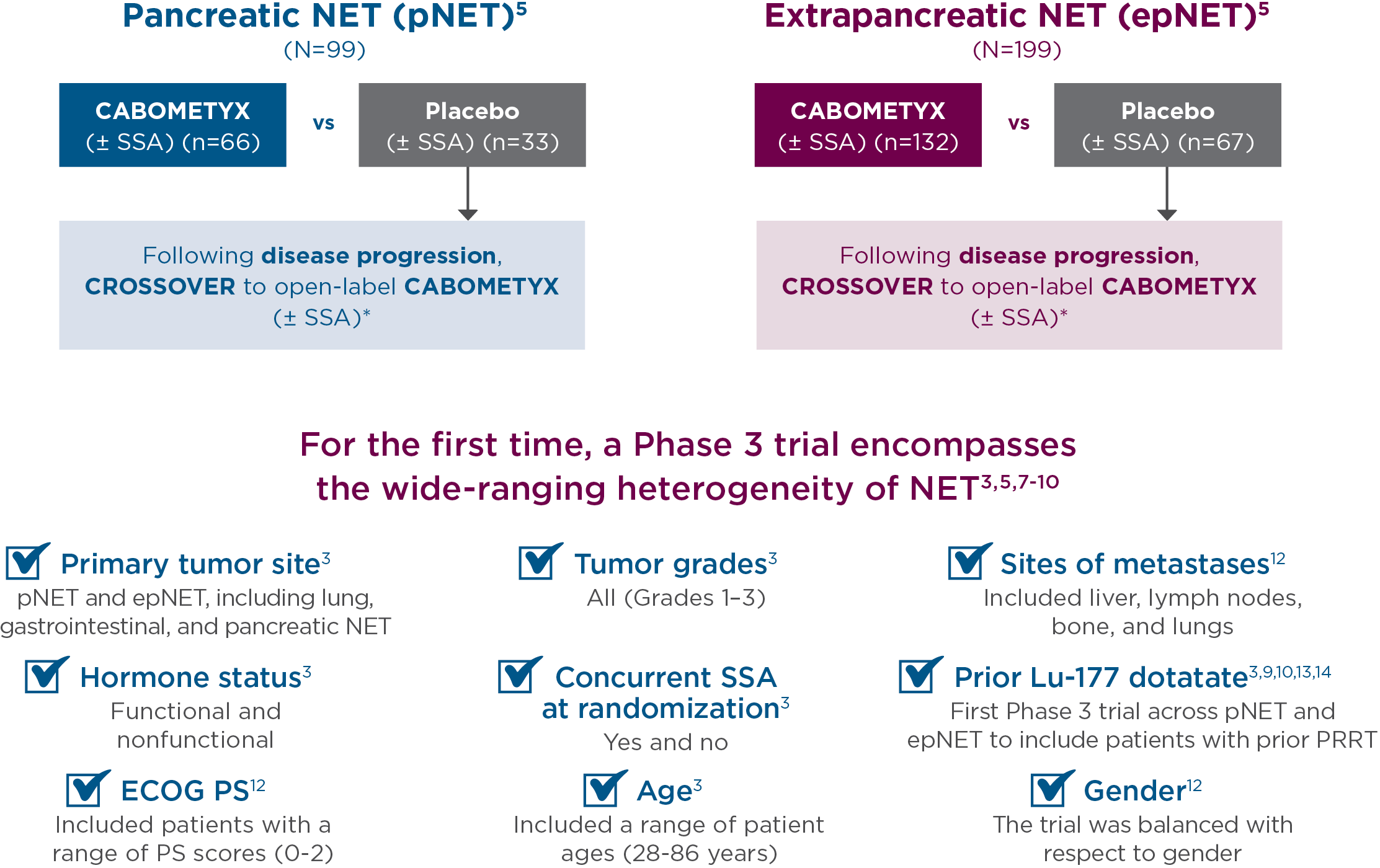
*Unblinding and crossover to open-label CABOMETYX allowed after confirmation of progressive disease by real-time central radiology review.5
Primary efficacy results in CABINET
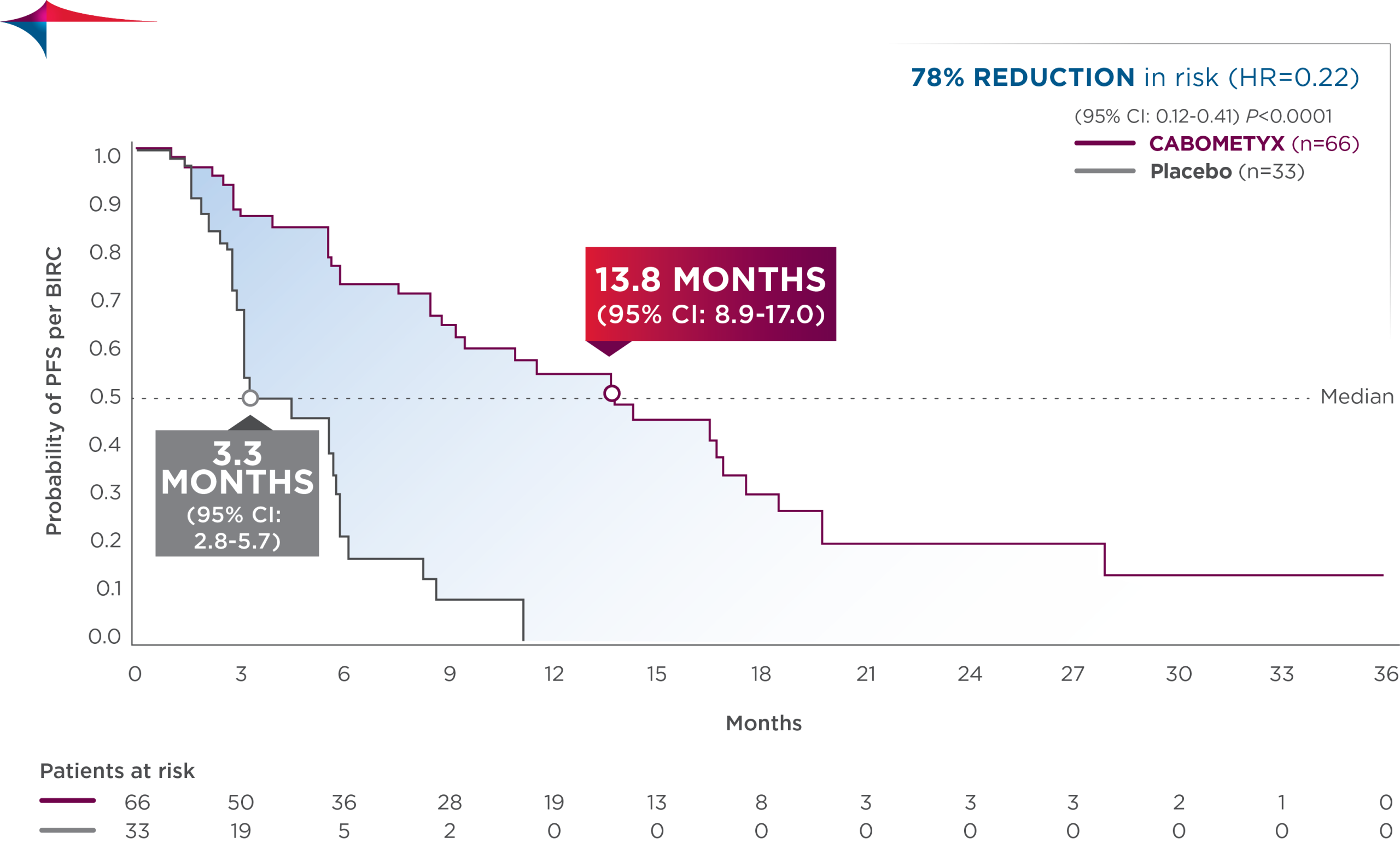
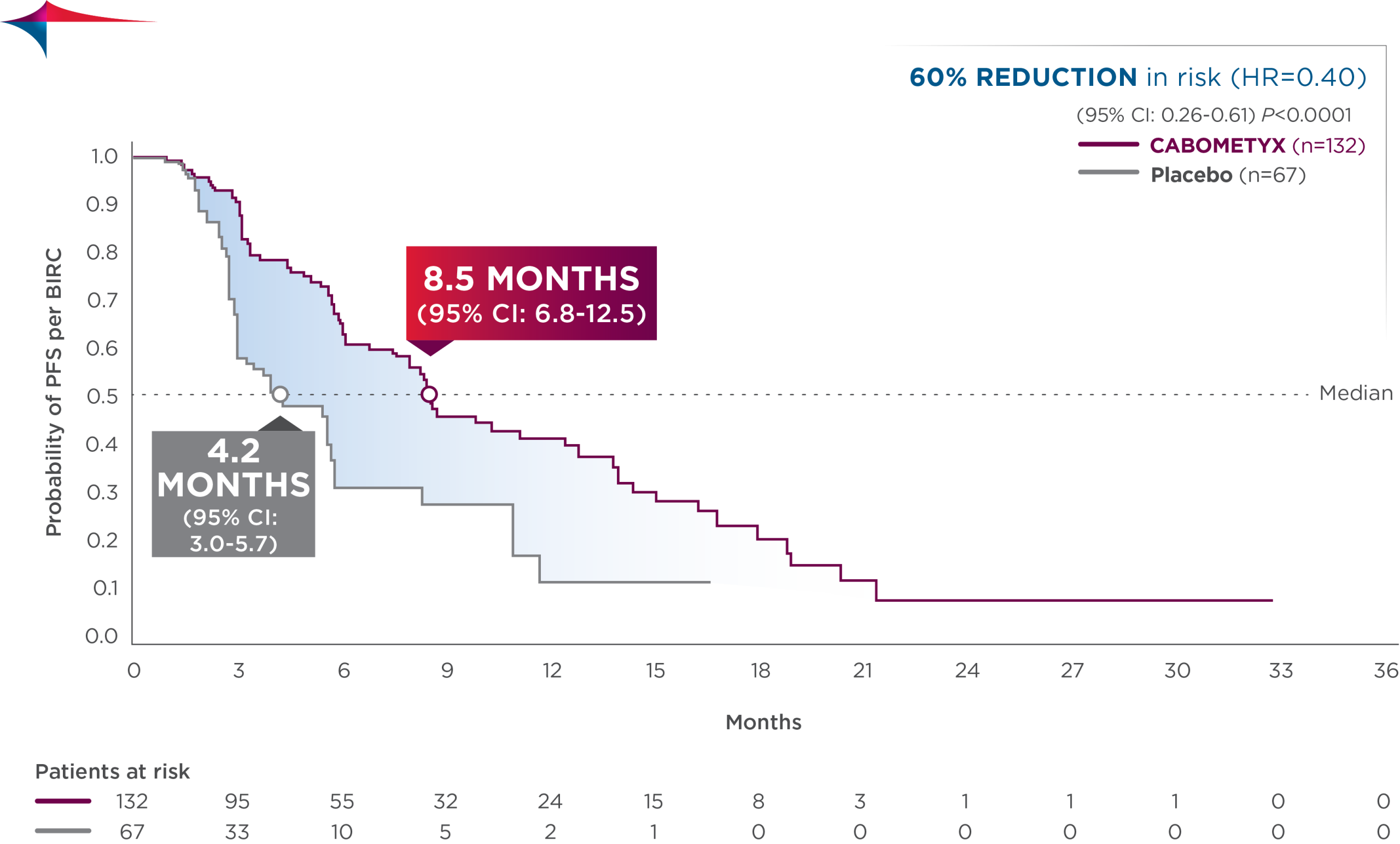
CABOMETYX quadrupled median PFS in pNET and doubled median PFS in epNET5
- pNET: median PFS was 13.8 months (95% CI: 8.9-17.0; n=66) vs 3.3 months with placebo (95% CI: 2.8-5.7; n=33); HR=0.22 (95% CI: 0.12-0.41); P<0.0001
- epNET: median PFS was 8.5 months (95% CI: 6.8-12.5; n=132) vs 4.2 months with placebo (95% CI: 3.0-5.7; n=67); HR=0.40 (95% CI: 0.26-0.61); P<0.0001
Exploratory subgroup analysis: PFS results in patients with lung/thymus site origin15
- In the lung /thymus subgroup, median PFS was 8.2 months (95% CI: 6.0-NE; n=33) vs 2.7 months (95% CI: 1.9-NE; n=16) with placebo; HR=0.19 (95% CI: 0.06-0.54)
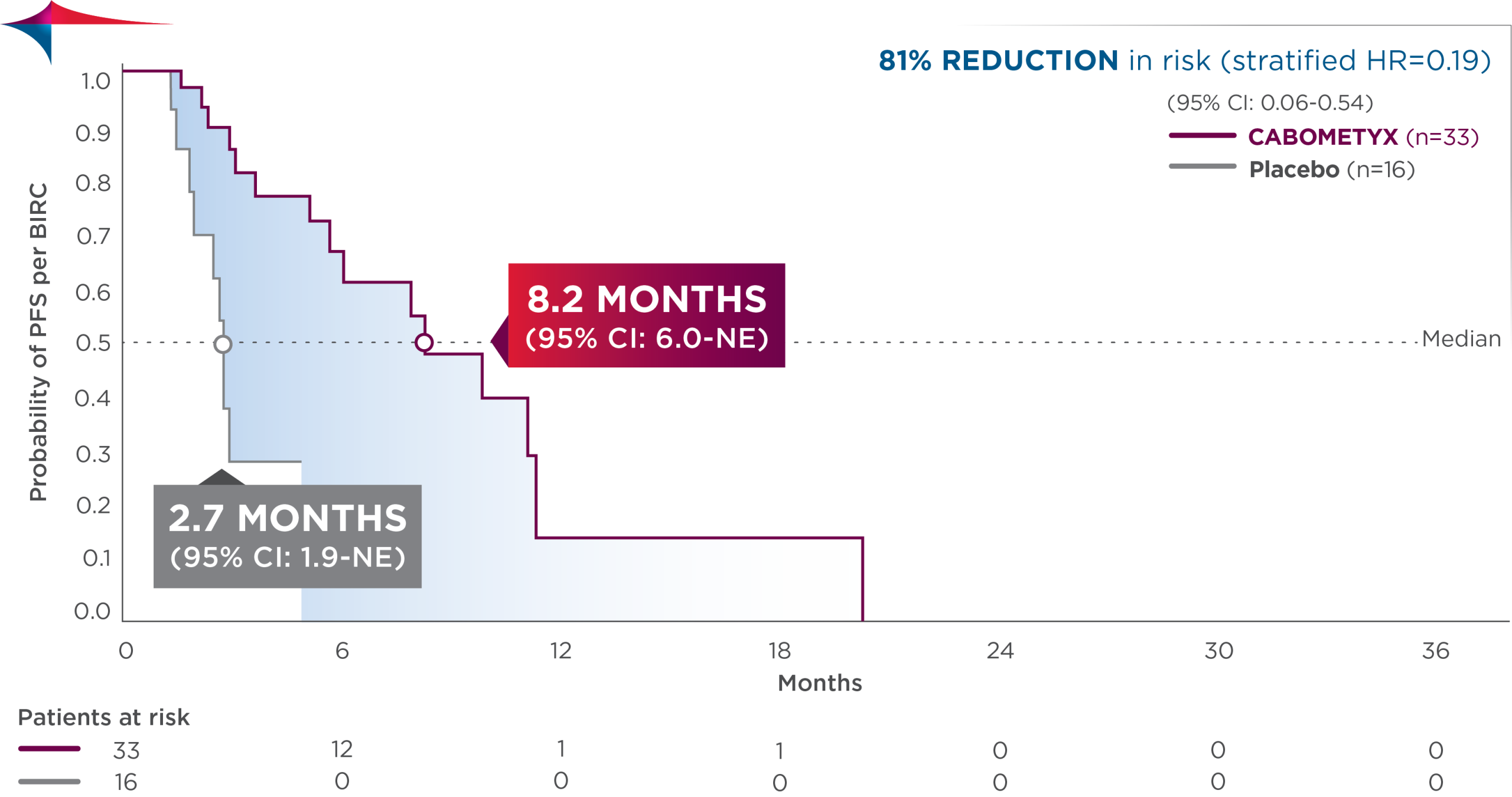
Observed outcomes should be interpreted with caution because of the relatively small subgroup size. Subgroups were not powered to show differences between treatment arms, and results should be considered hypothesis generating.
CABINET safety results
The safety profile observed in CABINET was consistent with the known CABOMETYX safety profile, and no new safety signals were identified in the trial.3
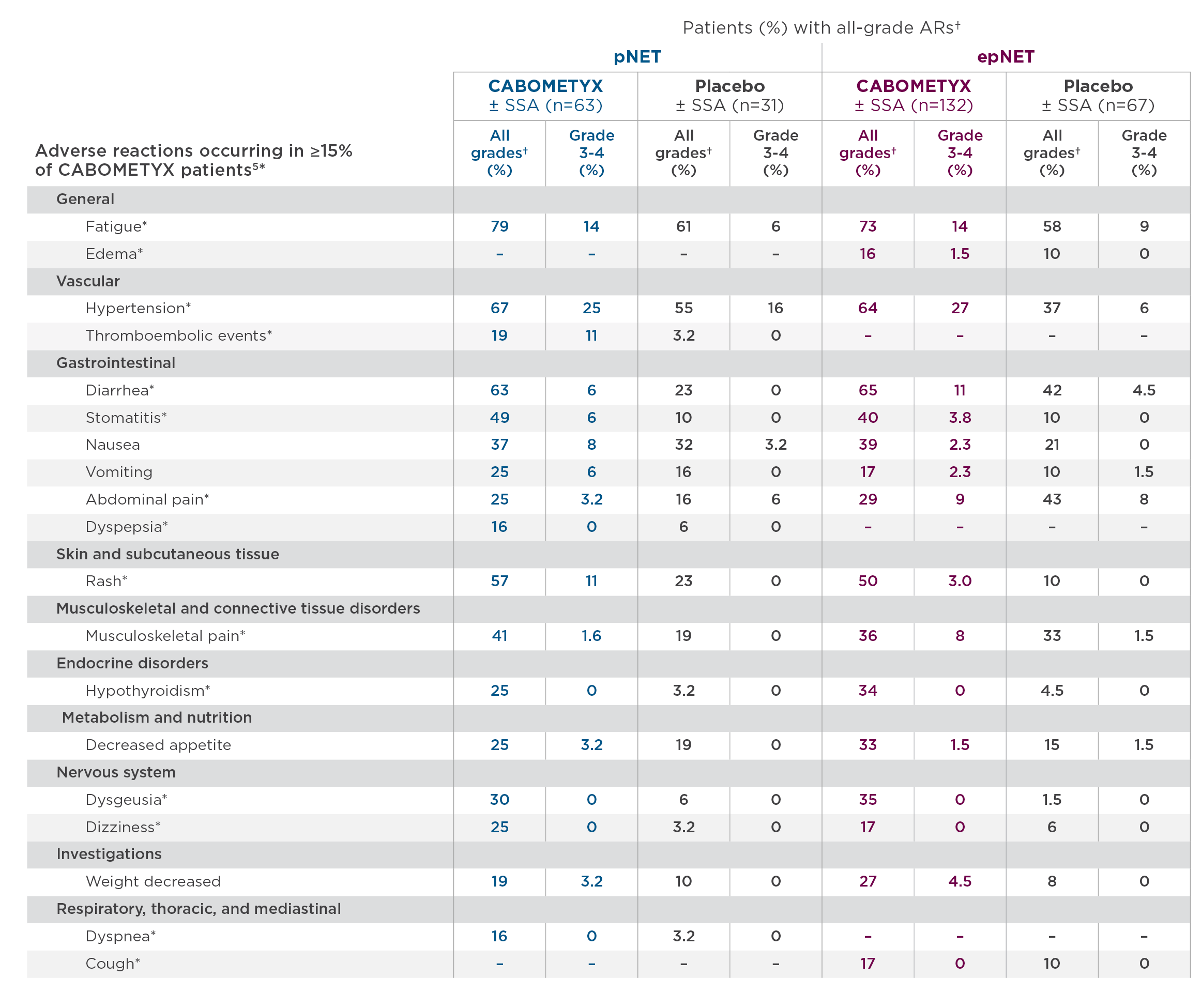
- Commonly occurring treatment-related Grade 3 and 4 adverse events in the lung/thymus subgroup included fatigue, hypertension, diarrhea, and PPE15
*These ARs are grouped terms.5 For details, please see full Prescribing Information.
†NCI CTCAE Version 5.0.
CABOMETYX dosing for NET
The recommended starting dose of CABOMETYX for adult and pediatric patients 12 years of age and older and ≥40 kg is 60 mg once daily until disease progression or unacceptable toxicity (with dose reductions to 40 mg and 20 mg once daily). The recommended starting dose for pediatric patients 12 years of age and older and <40 kg is 40 mg (with dose reductions to 20 mg daily and 20 mg every other day). If previously receiving lowest dose, resume at same dose. If lowest dose not tolerated, discontinue CABOMETYX. The median average daily dose of CABOMETYX treatment was 41 mg in the pNET cohort and 43 mg in the epNET cohort.5
It is important to note that the overall efficacy results of the CABINET trial were achieved in the context of dose modifications.16
- pNET: AR-related dose reductions occurred in 49% of patients receiving CABOMETYX vs 16% with placebo. Discontinuation due to ARs occurred in 19% of patients receiving CABOMETYX vs 10% with placebo
- epNET: AR-related dose reductions occurred in 38% of patients receiving CABOMETYX vs 6% with placebo. Discontinuation due to ARs occurred in 28% of patients receiving CABOMETYX vs 19% receiving placebo
In summary, based on the CABINET data:
Cabozantinib became the first systemic therapy indicated for previously treated NETs regardless of origin based on the landmark Phase 3 CABINET trial.3,5,7-11 Furthermore, the broad eligibility criteria for CABINET allowed for the inclusion of patients irrespective of functional status or expression of somatostatin receptors.3
Taken together, the approval of cabozantinib represents an important advancement in the management of previously treated patients with advanced NETs across diverse sites of origin, including those with lung and thymic origin.3,5,17
Dr Bhangoo received a fee for participating in the development of this article, and his comments reflect his opinions and are not intended to constitute medical advice for individual patients
AR=adverse reaction; CI=confidence interval; DCR=disease control rate; ECOG PS=Eastern Cooperative Oncology Group performance status; epNET=extrapancreatic neuroendocrine tumor; HR=hazard ratio; NET=neuroendocrine tumor; ORR=overall response rate; OS=overall survival; NE=not estimable; PET=positron emission tomography; PFS=progression-free survival; pNET=pancreatic neuroendocrine tumor; PPE=palmar-plantar erythrodysesthesia; PRRT=peptide receptor radionuclide therapy.
INDICATIONS
CABOMETYX® (cabozantinib) is indicated for the treatment of adult and pediatric patients 12 years of age and older with previously treated, unresectable, locally advanced or metastatic, well-differentiated pancreatic neuroendocrine tumors (pNET).
CABOMETYX is indicated for the treatment of adult and pediatric patients 12 years of age and older with previously treated, unresectable, locally advanced or metastatic, well-differentiated extrapancreatic neuroendocrine tumors (epNET).
IMPORTANT SAFETY INFORMATION
WARNINGS AND PRECAUTIONS
Hemorrhage: CABOMETYX can cause severe and fatal hemorrhages. The incidence of Grade 3-5 hemorrhagic events was 5% in CABOMETYX patients in RCC, HCC, and DTC studies. Discontinue CABOMETYX for Grade 3-4 hemorrhage and before surgery. Do not administer to patients who have a recent history of hemorrhage, including hemoptysis, hematemesis, or melena.
Perforations and Fistulas: Fistulas, including fatal cases, and gastrointestinal (GI) perforations, including fatal cases, each occurred in 1% of CABOMETYX patients. Monitor for signs and symptoms, and discontinue CABOMETYX in patients with Grade 4 fistulas or GI perforation.
Thromboembolic Events: CABOMETYX can cause arterial or venous thromboembolic events. Venous thromboembolism occurred in 7% (including 4% pulmonary embolism) and arterial thromboembolism in 2% of CABOMETYX patients. Fatal thrombotic events have occurred. Discontinue CABOMETYX in patients who develop an acute myocardial infarction or serious arterial or venous thromboembolic events.
Hypertension and Hypertensive Crisis: CABOMETYX can cause hypertension, including hypertensive crisis. Hypertension was reported in 37% (16% Grade 3 and <1% Grade 4) of CABOMETYX patients. In CABINET (n=195), hypertension occurred in 65% (26% Grade 3) of CABOMETYX patients. Do not initiate CABOMETYX in patients with uncontrolled hypertension. Monitor blood pressure regularly during CABOMETYX treatment. Withhold CABOMETYX for hypertension that is not adequately controlled; when controlled, resume at a reduced dose. Permanently discontinue CABOMETYX for severe hypertension that cannot be controlled with antihypertensive therapy or for hypertensive crisis.
Cardiac Failure: CABOMETYX can cause severe and fatal cardiac failure. Cardiac failure occurred in 0.5% of patients treated with CABOMETYX as a single agent, including fatal cardiac failure in 0.1% of patients. Consider baseline and periodic evaluations of left ventricular ejection fraction. Monitor for signs and symptoms of cardiovascular events. Withhold and resume at a reduced dose upon recovery or permanently discontinue depending on the severity.
Diarrhea: CABOMETYX can cause diarrhea and it occurred in 62% (10% Grade 3) of treated patients. Monitor and manage patients using antidiarrheals as indicated. Withhold CABOMETYX until improvement to ≤ Grade 1; resume at a reduced dose.
Palmar-Plantar Erythrodysesthesia (PPE): CABOMETYX can cause PPE and it occurred in 45% of treated patients (13% Grade 3). Withhold CABOMETYX until PPE resolves or decreases to Grade 1 and resume at a reduced dose for intolerable Grade 2 PPE or Grade 3 PPE.
Proteinuria: Proteinuria was observed in 8% of CABOMETYX patients. Monitor urine protein regularly during CABOMETYX treatment. For Grade 2 or 3 proteinuria, withhold CABOMETYX until improvement to ≤ Grade 1 proteinuria; resume CABOMETYX at a reduced dose. Discontinue CABOMETYX in patients who develop nephrotic syndrome.
Osteonecrosis of the Jaw (ONJ): CABOMETYX can cause ONJ and it occurred in <1% of treated patients. Perform an oral examination prior to CABOMETYX initiation and periodically during treatment. Advise patients regarding good oral hygiene practices. Withhold CABOMETYX for at least 3 weeks prior to scheduled dental surgery or invasive dental procedures. Withhold CABOMETYX for development of ONJ until complete resolution; resume at a reduced dose.
Impaired Wound Healing: CABOMETYX can cause impaired wound healing. Withhold CABOMETYX for at least 3 weeks prior to elective surgery. Do not administer for at least 2 weeks after major surgery and until adequate wound healing. The safety of resumption of CABOMETYX after resolution of wound healing complications has not been established.
Reversible Posterior Leukoencephalopathy Syndrome (RPLS): CABOMETYX can cause RPLS. Perform evaluation for RPLS and diagnose by characteristic finding on MRI any patient presenting with seizures, headache, visual disturbances, confusion, or altered mental function. Discontinue CABOMETYX in patients who develop RPLS.
Thyroid Dysfunction: CABOMETYX can cause thyroid dysfunction, primarily hypothyroidism, and it occurred in 19% of treated patients (0.4% Grade 3). Assess for signs of thyroid dysfunction prior to the initiation of CABOMETYX and monitor for signs and symptoms during treatment.
Hypocalcemia: CABOMETYX can cause hypocalcemia, with the highest incidence in DTC patients. Based on the safety population, hypocalcemia occurred in 13% of CABOMETYX patients (2% Grade 3 and 1% Grade 4). Monitor blood calcium levels and replace calcium as necessary during treatment. Withhold and resume CABOMETYX at a reduced dose upon recovery or permanently discontinue CABOMETYX depending on severity.
Embryo-Fetal Toxicity: CABOMETYX can cause fetal harm. Advise pregnant women of the potential risk to a fetus and advise females of reproductive potential to use effective contraception during treatment with CABOMETYX and for 4 months after the last dose.
ADVERSE REACTIONS The most common (≥20%) adverse reactions are: CABOMETYX as a single agent: diarrhea, fatigue, PPE, decreased appetite, hypertension, nausea, vomiting, weight decreased, and constipation.
DRUG INTERACTIONS
Strong CYP3A4 Inhibitors: If coadministration with strong CYP3A4 inhibitors cannot be avoided, reduce the CABOMETYX dosage. Avoid grapefruit or grapefruit juice.
Strong or Moderate CYP3A4 Inducers: If coadministration with strong or moderate CYP3A4 inducers cannot be avoided, increase the CABOMETYX dosage. Avoid St. John’s wort.
USE IN SPECIFIC POPULATIONS
Lactation: Advise women not to breastfeed during CABOMETYX treatment and for 4 months after the final dose.
Hepatic Impairment: In patients with moderate hepatic impairment, reduce the CABOMETYX dosage. Avoid CABOMETYX in patients with severe hepatic impairment.
Pediatric Use: Physeal widening has been observed in children with open growth plates when treated with CABOMETYX. Physeal and longitudinal growth monitoring is recommended in children (12 years and older) with open growth plates. Consider interrupting or discontinuing CABOMETYX if abnormalities occur. The safety and effectiveness of CABOMETYX in pediatric patients less than 12 years of age have not been established.
Please see accompanying full Prescribing Information by clicking here.
You are encouraged to report negative side effects of prescription drugs to the FDA. Visit www.FDA.gov/medwatch or call 1-800-FDA-1088.
References:
1. Sultana Q, Kar J, Verma A, et al. A comprehensive review on neuroendocrine neoplasms: presentation, pathophysiology and management. J Clin Med. 2023;12(15):5138
2. Dasari A, Wallace K, Halperin DM, et al. Epidemiology of neuroendocrine neoplasms in the US. JAMA Netw Open. 2025;8(6):e2515798. doi:10.1001/jamanetworkopen.2025.15798.
3. Chan JA, Geyer S, Zemla T, et al. Phase 3 trial of cabozantinib to treat advanced neuroendocrine tumors. N Engl J Med. 2024; Published online September 16, 2024. doi:10.1056/NEJMoa2403991.
4. Yang K, Li J, Cheng Y, Bai C. Evolving landscape of clinical trials in gastroenteropancreatic neuroendocrine neoplasms in the past two decades. Endocr Connect. 2023;12(4): e220441. doi:10.1530/EC-22-0441.
5. CABOMETYX® (cabozantinib) Prescribing Information. Exelixis, Inc.
6. Bidani K, Marinovic AG, Moond V, Harne P, Broder A, Thosani N. Treatment of pancreatic neuroendocrine tumors: beyond traditional surgery and targeted therapy. J Clin Med. 2025;14(10):3389. doi:10.3390/jcm14103389.
7. LUTATHERA® (lutetium Lu-177 dotatate) Prescribing Information. Novartis Pharmaceuticals Corporation.
8. AFINITOR® (everolimus) Prescribing Information. Novartis Pharmaceuticals Corporation.
9. SUTENT® (sunitinib malate) Prescribing Information. Pfizer, Inc.
10. SOMATULINE® DEPOT (lanreotide) Prescribing Information. Ipsen Pharma Biotech.
11. SANDOSTATIN® LAR DEPOT (octreotide acetate) Prescribing Information. Novartis Pharmaceuticals Corporation.
12. Chan JA, Geyer S, Zemla T, et al. Phase 3 trial of cabozantinib in previously treated advanced neuroendocrine tumors [supplementary appendix]. N Engl J Med. 2024; Published online September 16, 2024. doi:10.1056/ NEJMoa2403991.
13. US Food and Drug Administration. FDA approves new treatment for certain digestive tract cancers. January 26, 2018. Accessed September 5, 2024. https://www.fda.gov/news-events/press-announcements/fda-approves-new-treatment-certain-digestive-tract-cancers. 14. Yao JC, Shah MH, Ito T, et al. Everolimus for advanced pancreatic neuroendocrine tumors. N Engl J Med. 2011;364(6):514-523.
15. Wolin EM, Zemla T, Strosberg JR, et al. Efficacy and safety of cabozantinib for advanced lung and thymus neuroendocrine tumors after progression on prior therapy: subgroup analysis of phase 3 CABINET trial (Alliance A021602). Poster presented at European Society for Medical Oncology Congress; October 17-21, 2025.
16. Data on file. Exelixis, Inc.
17. Oronsky N, Ma PC, Morgensztern D, Carter CA. Nothing but NET: a review of neuroendocrine tumors and carcinomas. Neoplasia. 2017;19(12):991-1002.
©2026 Exelixis, Inc. CA‐3900 04/26
FDA Approves Next Generation Vepdegestrant for ER-positive, HER2-negative, ESR1-Mutated Advanced Breast Cancer
SUMMARY: The FDA on May 1, 2026, approved Vepdegestrant (VEPPANU®), a heterobifunctional protein degrader, for adults with Estrogen Receptor (ER)-positive, Human Epidermal growth factor Receptor 2 (HER2)-negative, ESR1-mutated advanced or metastatic breast cancer, as detected by an FDA-authorized test, with disease progression following at least one line of endocrine therapy. FDA also approved the Guardant360 CDx as a companion diagnostic device to identify patients with breast cancer with ESR1 mutations for treatment with Vepdegestrant.
Breast cancer is the most common cancer among women in the US and about 1 in 8 women (12%) will develop invasive breast cancer during their lifetime. It is estimated that in the US, approximately 316,950 new cases of female breast cancer will be diagnosed in 2025, and about 42,170 women will die of the disease, largely due to metastatic recurrence.
Background and Clinical Unmet Need
Approximately 70% of breast tumors express Estrogen Receptors and/or Progesterone Receptors. The most common subtype of metastatic breast cancer is Hormone Receptor-positive (HR-positive), HER2-negative breast cancer (65% of all metastatic breast tumors), and these patients are often treated with anti-estrogen therapy as first line treatment. However, resistance to hormonal therapy occurs in a majority of the patients, with a median Overall Survival (OS) of 36 months. With the development of Cyclin Dependent Kinases (CDK) 4/6 inhibitors, endocrine therapy plus a CDK4/6 inhibitor is the mainstay, for the management of ER+/HER2-negative metastatic breast cancer, as first line therapy. Even with this therapeutic combination, most patients will eventually experience disease progression, with up to 50% of patients acquiring ESR1 (Estrogen Receptor gene alpha) mutations after exposure to prior endocrine therapy in combination with CDK4/6 inhibitors. These mutations enable constitutive activation of the estrogen receptor, rendering tumors less responsive to traditional endocrine agents. Although Selective Estrogen Receptor Degraders (SERDs) such as Fulvestrant and Elacestrant are often used in this setting, their clinical activity is modest and limited by pharmacokinetic and mechanistic constraints, especially in heavily pretreated, endocrine-resistant disease.
A Novel Approach: Vepdegestrant and the PROTAC Platform
Vepdegestrant represents a first-in-class, oral PROteolysis TArgeting Chimera (PROTAC) designed to degrade the ER through direct engagement of the ubiquitin-proteasome system. Unlike traditional SERDs, which bind to and inactivate the ER before relying on indirect degradation pathways, Vepdegestrant forms a ternary complex between the ER and an E3 ubiquitin ligase. This results in efficient and targeted ubiquitination and subsequent degradation of the ER protein. Early-phase trials demonstrated that Vepdegestrant was well tolerated and exhibited promising antitumor activity in patients with heavily pretreated ER+/HER2-negative advanced breast cancer. This laid the foundation for VERITAC-2, the first Phase 3 study evaluating a PROTAC agent in oncology.
VERITAC-2: Study Design and Patient Population
Study Overview:
VERITAC-2 is a global, randomized Phase 3 trial comparing oral Vepdegestrant 200 mg once-daily continuously with Fulvestrant 500 mg intramuscularly days 1 and 15 of cycle 1 and day 1 of subsequent cycles, in postmenopausal women and men with ER+/HER2-negative advanced breast cancer, previously treated with a CDK4/6 inhibitor plus endocrine therapy. An additional line of endocrine therapy was permitted. However, patients previously exposed to SERDs or chemotherapy in the metastatic setting were excluded. A total of 624 patients (median age 60 years; 43%; N=270 with ESR1mutation tumors) were randomized 1:1 to receive Vepdegestrant (N=313) or Fulvestrant (N=311). Approximately 80% were postmenopausal, and 20% had received two prior lines of therapy in the advanced setting. Patients were stratified by ESR1 mutation status and presence of visceral disease. ESR1 mutational status was determined by blood circulating tumor DeoxyriboNucleic Acid (ctDNA) using central or local testing.
The Primary endpoint was Progression-Free Survival (PFS) as assessed by Blinded Independent Central Review (BICR), first in the ESR1mutations subgroup and then in the overall population contingent on statistical assumptions. Secondary endpoints included Overall Survival (OS), Objective Response Rate (ORR), Clinical Benefit Rate (CBR), and Safety.
Key Efficacy Findings
In the ESR1-Mutant Population:
- Median PFS: 5.0 months with Vepdegestrant vs 2.1 months with Fulvestrant
- Hazard Ratio: 0.57 (95% CI, 0.42–0.77); P=0.0001
- 6-Month PFS Rate: 45.2% with Vepdegestrant vs 22.7% with Fulvestrant
- Objective Response Rate: 18.6% vs 4.0% (P=0.001)
- Clinical Benefit Rate: 42.1% vs 20.2% (P<0.001)
There was a 43% relative reduction in the risk of disease progression or death with Vepdegestrant compared with Fulvestrant. These results represent a statistically significant and clinically meaningful improvement in PFS and response outcomes among ESR1mutated patients, reinforcing the hypothesis that targeted ER degradation via PROTAC technology can overcome a key mechanism of endocrine resistance.
In the Overall Population:
- Median PFS: 3.7 months (Vepdegestrant) vs 3.6 months (Fulvestrant)
- HR: 0.83 (95% CI, 0.68–1.02); P=0.07
Although trends favored Vepdegestrant, the PFS difference in the unselected population did not reach statistical significance, underscoring the critical role of ESR1 mutation status as a biomarker of response to this agent.
Safety and Tolerability
Vepdegestrant was generally well tolerated, with most Adverse Events (AEs) being Grade 1 or 2. Grade 3 or more Treatment-Emergent AEs occurred in 23.4% receiving Vepdegestrant versus 17.6% with Fulvestrant. The most toxicities with Vepdegestrant were fatigue, elevated ALT/AST, nausea, vomiting and diarrhea. Discontinuation due to AEs occurred in only 2.9% of patients receiving Vepdegestrant. Importantly, gastrointestinal side effects, often limiting with oral SERDs, were infrequent and generally low-grade, reflecting the favorable tolerability of this novel agent.
Clinical Implications and Future Directions
The VERITAC-2 trial offers a landmark clinical validation for PROTACs in oncology. For patients with ER+/HER2-negative advanced breast cancer harboring ESR1 mutations, Vepdegestrant offers a statistically significant and clinically relevant advantage in Progression-Free Survival over Fulvestrant. The favorable safety profile, oral dosing convenience, and mechanistic novelty support its development as a next-generation standard of care in this biomarker-defined subgroup.
Although benefit was not observed in the all-comer population, the compelling results in ESR1mutated disease position Vepdegestrant as a precision endocrine therapy option that could reshape the treatment landscape. Ongoing investigations will clarify its role in earlier lines of therapy and in combination strategies, including with targeted or immunotherapeutic agents.
Conclusion
Vepdegestrant has emerged as a promising, targeted therapy for patients with ESR1-mutated ER+/HER2-negative advanced breast cancer who have progressed on prior CDK4/6 inhibitor plus endocrine therapy. As the first PROTAC to reach Phase 3, its success in VERITAC-2 signals the clinical viability of targeted protein degradation platforms in hormone receptor–driven malignancies.
Vepdegestrant, a PROTAC Estrogen Receptor Degrader, in Advanced Breast Cancer. Campone M, De Laurentiis M, Jhaveri K, et al. for the VERITAC-2 Study Group. N Engl J Med. 2025;393:556-568.
Advanced Gastroesophageal Cancer: ASCO Guideline Update
SUMMARY: Gastroesophageal cancers, including gastric, esophageal, and gastroesophageal junction (GEJ) malignancies are among the most common gastrointestinal cancers worldwide. The American Cancer Society estimates that in the US, about 31,510 new cases of Gastric cancer and 22,530 new cases of esophagus cancer will be diagnosed in 2026, and about 10,740 and 16,290 people respectively, will die of the disease.
The burden of disease varies geographically, with gastric cancer occurring more frequently in East Asian populations, while adenocarcinoma of the gastroesophageal junction has shown a rising incidence in Western countries. Squamous cell carcinoma remains the predominant histologic subtype of esophageal cancer globally, although adenocarcinoma is increasingly common in North America and Europe.
One of the major clinical challenges associated with gastroesophageal cancers is that early-stage disease is frequently asymptomatic. As a result, many patients present with unresectable locally advanced or metastatic disease at the time of diagnosis, contributing to persistently poor long-term survival outcomes. Despite advances in multimodal therapy, the overall 5-year survival rate for advanced gastroesophageal cancer remains low.
The rapidly evolving treatment landscape for advanced gastroesophageal cancer has increasingly emphasized biomarker-driven therapy. In 2023, the American Society of Clinical Oncology published guideline recommendations for first-line treatment strategies based on biomarkers such as PD-L1 and HER2 expression, while also addressing the use of targeted agents and immunotherapy in later treatment lines. More recent updates have incorporated emerging evidence from phase III randomized controlled trials evaluating novel immunotherapeutic combinations, targeted therapies, and precision oncology approaches. These updates also highlight the importance of comprehensive biomarker testing and shared decision-making, particularly for patients whose tumors demonstrate multiple actionable biomarkers.
To support these recommendations, ASCO convened an Expert Panel that conducted a systematic review of contemporary evidence in advanced gastroesophageal malignancies. The updated guideline incorporated findings from multiple newly published and updated Phase III clinical trials involving patients with unresectable locally advanced, recurrent, or metastatic disease. Collectively, these studies reflect the continued transition toward individualized treatment strategies aimed at improving survival outcomes and quality of life for patients with advanced gastroesophageal cancer.
Mandatory Biomarker Testing
1.1. Testing to determine the presence of predictive biomarkers PD-L1, dMMR/MSI-H, CLDN18.2, and HER2 in gastroesophageal adenocarcinoma is recommended, and PD-L1 and dMMR/MSI-H status should be tested for ESCC. Clinicians should consider broad-based NGS testing, which includes pan-tumor biomarkers. The results of predictive biomarker testing should be available as soon as possible to inform treatment decision making.
First-Line Therapy
pMMR/MSS HER2-negative gastric/GEJ and esophageal adenocarcinoma
2.1. For patients with pMMR/MSS HER2-negative gastric/GEJ or esophageal adenocarcinoma with PD-L1 expression ≥1 and absence of CLDN18.2 expression, first-line therapy with fluoropyrimidine and platinum-based chemotherapy in combination with immunotherapy may be recommended.
Qualifying statements for Recommendation 2.1:
Immunotherapy benefit has shown a positive association with higher PD-L1 expression (eg, greater benefit with PD-L1 expression ≥10). Not all possible PD-L1 cutoff scores have been assessed. Therefore, the optimal PD-L1 cutoff score balancing benefits and harms is unknown.
Recommended immunotherapy agents include Pembrolizumab, Nivolumab, or Tislelizumab. These agents are considered to have similar efficacy. Selection of a specific agent should be based on dosing schedule, cost considerations, toxicity, and method of administration.
Taking into account the clinical situation, clinicians should avoid withholding the start of chemotherapy while awaiting biomarker testing results.
2.2. For patients with pMMR/MSS HER2-negative gastric/GEJ adenocarcinoma with PD-L1 expression <1 and positive CLDN18.2 expression, fluoropyrimidine and platinum-based chemotherapy combined with Zolbetuximab should be offered.
2.3. For patients with pMMR/MSS HER2-negative gastric/GEJ adenocarcinoma with PD-L1 expression ≥1, and CLDN18.2 expression positivity, fluoropyrimidine and platinum-based chemotherapy combined with immunotherapy or Zolbetuximab may be offered on a case-by-case basis.
Qualifying statement for Recommendation 2.3:
Choice of therapy should take into consideration degree of PD-L1 expression, toxicity profile, burden of symptoms, and anticipated improvement in symptoms associated with response to treatment, patient comorbidities, and prior medical and treatment history.
2.4. For patients with pMMR/MSS HER2-negative gastroesophageal adenocarcinoma, PD-L1 expression <1, and absence of CLDN18.2 expression, first-line therapy with fluoropyrimidine and platinum-based chemotherapy should be offered.
pMMR/MSS HER2-positive gastric/GEJ adenocarcinoma
3.1. For patients with pMMR/MSS HER2-positive gastric/GEJ adenocarcinoma with PD-L1 expression ≥1, Pembrolizumab plus Trastuzumab should be offered, in combination with fluoropyrimidine- and Oxaliplatin-based chemotherapy.
3.2. For patients with pMMR/MSS HER2-positive gastric/GEJ adenocarcinoma with PD-L1 expression <1, Trastuzumab should be offered in combination with fluoropyrimidine and Oxaliplatin-based chemotherapy.
dMMR/MSI-H gastric/GEJ or esophageal adenocarcinoma or ESCC
4.1. Immunotherapy in combination with fluoropyrimidine and Oxaliplatin-based chemotherapy may be offered.
4.2. Immunotherapy alone is an additional treatment option that may be offered on a case-by-case basis.
ESCC that is locally advanced unresectable and not amenable to definitive chemoradiation, advanced or metastatic
5.1. For patients with pMMR/MSS ESCC and PD-L1 expression ≥1, first-line therapy with immunotherapy in combination with fluoropyrimidine and platinum-based chemotherapy or Nivolumab plus Ipilimumab may be offered.
Qualifying statement for Recommendation 5.1:
Immunotherapy benefit has shown a positive association with higher PD-L1 expression (ie, greater benefit with PD-L1 expression ≥10). Not all possible PD-L1 cutoff scores have been assessed. Therefore, the optimal PD-L1 cutoff score balancing benefits and harms is unknown.
5.2. For patients with pMMR/MSS ESCC with PD-L1 expression <1, first-line therapy with fluoropyrimidine and platinum-based chemotherapy may be offered.
Qualifying statement for Recommendations 2.1 to 5.2:
Chemotherapy alone may be offered to patients who express predictive biomarkers but are not considered candidates for targeted therapy or immunotherapy.
Second or Third Line Therapy
pMMR/MSS HER2-negative gastric/GEJ adenocarcinoma
6.1. For patients with pMMR/MSS advanced gastroesophageal adenocarcinoma whose disease has progressed after first-line therapy, Ramucirumab plus Paclitaxel may be offered.
Qualifying statements for Recommendation 6.1:
Ramucirumab plus FOLFIRI may be an option for patients who have previously been treated with Docetaxel or experienced neurotoxicity with first-line treatment.
Although outside the scope of this review, for patients with gastric or GEJ adenocarcinoma, Trifluridine and Tipiracil may be offered after progression on second-line therapy.
Note for Recommendation 6.1:
CLDN18.2 inhibitor Zolbetuximab has not been studied as second-line therapy for previously treated patients with gastroesophageal adenocarcinoma and is therefore not recommended for this patient population.
pMMR/MSS HER2-positive gastric/GEJ adenocarcinoma
6.2. For HER2-positive patients with gastric/GEJ adenocarcinoma and progressive disease after first-line therapy, Trastuzumab Deruxtecan should be offered.
Note for Recommendation 6.2:
Repeat tumor testing after progression on Trastuzumab is recommended to ensure that the tumor maintains HER2 expression after progression on first-line HER2-directed therapy.
ESCC
6.3. For patients with ESCC whose disease has progressed after first-line combination chemotherapy without immunotherapy and with PD-L1 ≥1, Nivolumab or Tislelizumab may be offered, and for patients with PD-L1 ≥10, Pembrolizumab may be offered.
Note to Recommendation 6.3:
This is expected to be a rare circumstance as patients who are candidates for immunotherapy should receive it as first-line therapy.
Immunotherapy and Targeted Therapy for Advanced Gastroesophageal Cancer: ASCO Guideline Update. Shah MA, Kennedy EB, Deighton D, et al. J Clin Oncol. 2026; 44:1145-1165.